Introduction
A promotional videographer is a video production professional who creates video content designed to market a brand, product, service, or organization. Unlike event or documentary videographers who primarily capture moments as they unfold, a promotional videographer crafts strategy-aligned visuals with defined messaging, structured storytelling, and clear calls to action-all aimed at driving measurable business outcomes like sales, leads, or brand awareness.
This guide covers everything business owners, marketing managers, and entrepreneurs need to know about working with a professional videographer for promotional projects. Whether you’re a startup exploring your first brand video or a corporate marketing team scaling video content across platforms, you’ll find practical guidance here. If you’re looking for wedding videography or documentary filmmaking advice, those fall outside our scope-this is focused squarely on marketing-driven video production.
In short, a promotional videographer combines storytelling, visual design, and technical production expertise to produce videos that persuade viewers toward a specific action, making them a strategic partner rather than just a camera operator.
Here’s what you’ll gain from this article:
-
A clear understanding of promotional videography services and how they differ from other video roles
-
Criteria for evaluating and hiring the right videographer for your project
-
Realistic pricing expectations across budget tiers
-
A step-by-step breakdown of the production process from concept to final product
-
Insights into measuring video ROI and overcoming common challenges
Understanding Promotional Videography
Promotional videography delivers short-to-medium-length video assets-typically 15 seconds to 2–3 minutes-intended not merely to inform but to persuade. Videos should be a maximum of 2-3 minutes long to maintain viewer attention and drive action. The business purpose is clear: encourage viewers toward measurable outcomes like signing up, purchasing, or requesting more information. A well-produced video communicates a company’s personality, values, and benefits in ways that text and static imagery simply cannot match.
A promotional videographer should understand how video supports marketing goals across the entire funnel. Where an event videographer captures atmosphere and occurrence, and a documentarian explores narrative over time, a promotional videographer focuses on crafting visuals that support brand objectives, combine storytelling with advocacy, and produce assets tailored for multiple digital distribution channels. This means working not just with camera skills but with audience understanding, marketing strategy alignment, and platform optimization.
Core Skills and Equipment
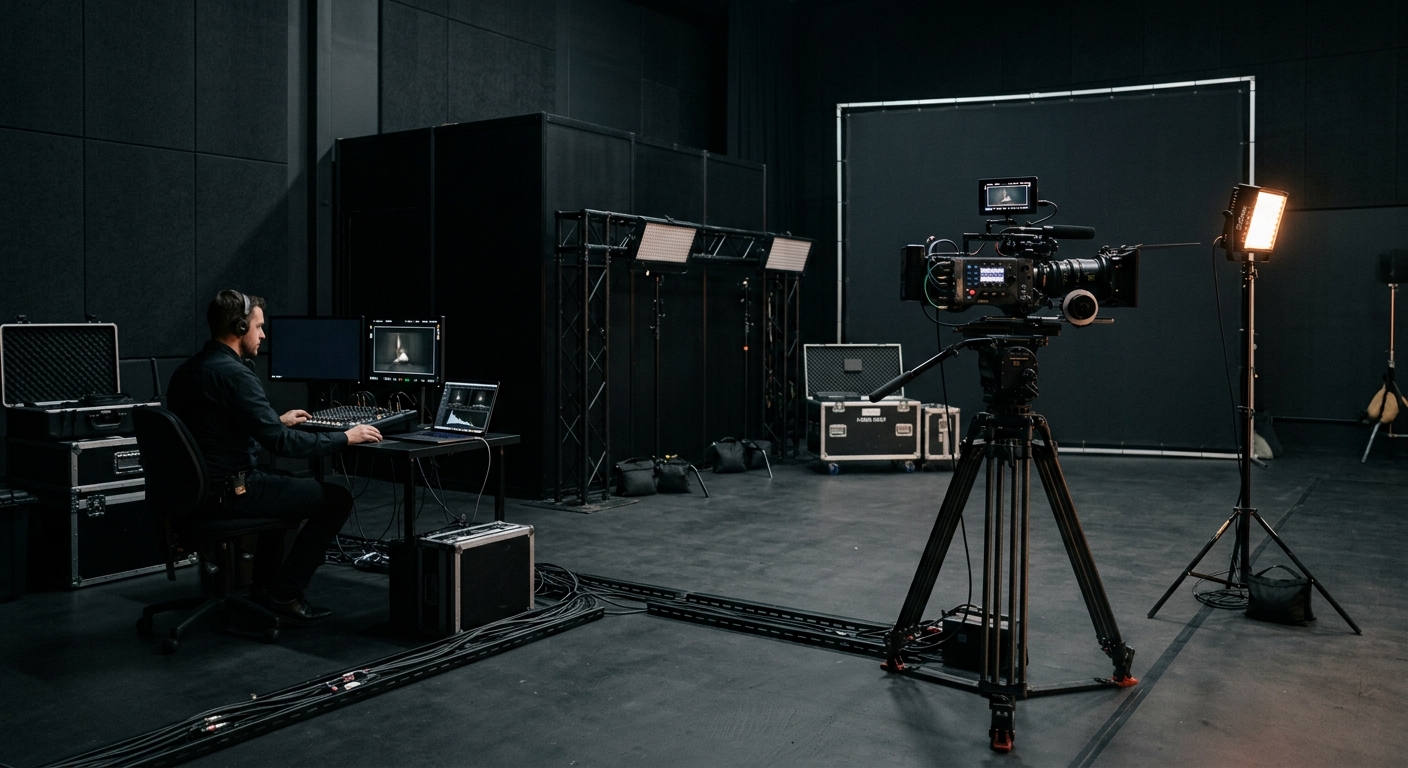
Technical expertise forms the foundation. Production covers operating professional camera, lighting, and audio equipment-from mirrorless and cinema cameras with large sensors and high dynamic range to three-point lighting setups, LED panels, and professional audio capture using lavaliers, shotgun mics, and field recorders. Support gear like tripods, gimbals, sliders, and backup storage are commonly overlooked yet critical to a smooth shoot. Poor audio or lighting degrade perceived value far more than lacking a top-tier camera body.
Creative skills are equally important. A strong promotional videographer should align with marketing goals and storytelling-defining the message, selecting tone (emotional, humorous, authoritative), scripting, pacing, and establishing creative direction that matches brand identity. Promotional videography combines storytelling, visual design, and technical production into cohesive content that can engage audiences and tell a brand’s story effectively. Emotional connection keeps audiences engaged in promotional videos, making narrative craft just as vital as technical polish.
Post-production capabilities bring everything to its final form. Post-production editing includes cutting footage, color grading, and sound mixing-along with motion graphics, lower thirds, voiceovers, and subtitle creation. Efficient revision cycles, version cut-downs for different platforms, and music licensing are all essential parts of the workflow. The final edit and final cut must meet technical standards for each distribution channel, from web and YouTube to social media content and paid advertising.
Target Industries and Applications
Small businesses and startups often need brand awareness and product introduction videos. Budgets may be limited, so promotional videos might combine live-action footage with stock assets or simple animation. Use cases include online ads, website hero videos, social media content, and investor pitches. Videos can improve online engagement by capturing attention faster than text-a critical advantage for businesses building initial brand presence.
Corporate clients deploy promotional videographers for product launches, company overviews, corporate videos, corporate training videos, and market-specific campaigns. These projects often involve multi-location shoots, on-camera talent, elaborate sets, and intensive post production. Marketing departments and advertising agencies at larger organizations frequently integrate video into broader campaigns and paid media strategies.
Non-profits rely on video for awareness-raising, fundraising, and impact storytelling. Interviews, testimonials, and mission-driven messaging carry special weight here. Showing real team members or happy customers builds trust and makes a brand memorable-authenticity matters more than cinematic polish in this space.
With these industries and applications in mind, let’s explore the specific types of promotional videos a videographer can deliver.
Types of Promotional Video Services
The services a promotional videographer offers typically fall into several distinct categories, each serving different stages of the marketing funnel and different business objectives. Understanding these categories helps you identify exactly what your organization needs.
Brand and Company Overview Videos
Company culture videos showcase the workplace environment, team members, and organizational values-giving viewers a genuine sense of who you are. Brand story videos articulate mission and vision, connecting emotionally with your audience. Behind-the-scenes content humanizes the business and builds authenticity. Professional corporate video production enhances brand image and engagement, and these videos serve primarily to build trust and identity rather than drive immediate sales. A great story about your company’s origins or values can resonate with customers and partners long after they watch it.
Product and Service Promotion
Product demonstration videos highlight features, benefits, and use cases-showing rather than telling. Service explanation videos are especially valuable for complex or intangible offerings where viewers need to see the concept in action. Customer testimonial videos, where existing customers speak to outcomes and results, are conversion-focused assets often placed in mid- to lower-funnel marketing. Video testimonials are significantly more effective than written reviews because they carry vocal tone, facial expression, and genuine emotion that text cannot replicate. Professional videos enhance brand image and consumer trust, making these assets some of the highest-ROI content a business can produce.
Event and Campaign Videos
Event coverage and highlight reels capture the energy and key moments of conferences, launches, and corporate gatherings. Marketing campaign videos-seasonal offers, sales promotions, awareness drives-require careful alignment between creative concept and distribution plan. Training and educational content, while less flashy, demands clarity and consistency for internal use. Corporate video can be used for business meetings and training sessions alongside external marketing, making these versatile assets. Professional videos can create reusable marketing assets from a single shoot, stretching your investment across multiple channels and use cases.
Now that you understand what types of videos are available, let’s walk through how the production process actually works.
The Promotional Video Production Process
Whether you’re creating a 30-second social ad or a two-minute brand overview, the production process follows a consistent structure. Understanding each phase helps you set realistic expectations, prepare your team, and get the most value from your investment.
Pre-Production Planning
Pre-production strategy involves defining goals, writing scripts, and scouting locations-it’s where the strategic foundation is laid. Skipping or rushing this phase is one of the most common causes of disappointing results.
-
Initial consultation and goal setting: Good videographers ask thoughtful questions about business objectives and target audiences. Establish KPIs-whether that’s signups, sales, brand lift, or lead generation-before any creative work begins.
-
Concept development and scripting: From creative direction to storyline structure (hook, problem, solution, CTA), this phase shapes the entire project. Storyboards help align client and videographer expectations before the shoot day arrives.
-
Location scouting and talent coordination: Finding the right spaces, ensuring access and permits, choosing on-camera talent if needed, and handling logistics. The filming location significantly impacts lighting requirements, audio challenges, and overall production value.
-
Equipment planning and timeline creation: Matching gear and crew to the project scope; scheduling shoot days; planning for multiple versions or cut-downs; budgeting for b roll, additional footage, and contingency time.
Choosing the Right Promotional Videographer
Selecting the right videographer involves balancing budget, quality, and project scope. Here’s how experienced professionals compare to budget options across key elements:
|
Criterion |
Experienced Professional |
Budget Option |
|---|---|---|
|
Portfolio Quality |
Diverse, high-quality samples with strong storytelling across formats |
Limited examples, single style, less polish |
|
Equipment |
Professional cameras, lighting rigs, audio gear, backup equipment |
Basic DSLR or mirrorless setup with limited lighting and audio |
|
Pricing |
$2,000–$8,000+ per standard 30–60s video; high-end cinematics $15,000+ |
$500–$2,000 per project with limited post production |
|
Timeline |
4–6 weeks including pre-production and 2–3 revision rounds |
1–2 weeks with minimal revisions and simpler settings |
When reviewing portfolios, look for diversity of styles, strong audio and lighting quality, evidence of strategic thinking, and format variations across platforms. A videographer who can produce videos for YouTube, Instagram, and your website from the same shoot demonstrates the versatility that maximizes your investment.
Common Challenges and Solutions
Even well-planned promotional video projects encounter obstacles. Here are the most frequent issues businesses face when they hire a videographer-and practical ways to address them.
Budget Constraints vs Quality Expectations
Clients often expect high-end cinematic results with limited budgets. The solution: prioritize the production elements that matter most. Camera quality and audio should come first; complex visual effects or elaborate locations can be scaled back. Using modular or reusable assets, incorporating stock footage strategically, and limiting shoot days all help contain costs without sacrificing the final product. Businesses that publish video content see 41% more website traffic, so even a modest but well-executed video delivers meaningful returns.
Unclear Project Goals and Messaging
Vague objectives are one of the most common causes of project failure. Before filming begins, create a detailed creative brief that includes goals, target audience, tone, messaging, CTA, and intended distribution channels. Align with marketing agencies or internal marketing departments to ensure the video concept supports your broader marketing strategy. A promotional videographer creates video content designed to market a brand-but they need clear direction to do it effectively.
Timeline Pressures and Revision Cycles
Rush jobs and open-ended revisions inflate costs and diminish quality. Build buffer time into your project schedule, define the number of revision rounds in your initial contract, and set firm deadlines for feedback at each stage. Shooting extra b roll during production gives your editing team flexibility during post production editing without requiring additional shoot days.
Measuring Video Performance and ROI
Avoid relying on vanity metrics like view counts alone. Set measurable goals at the start-conversions, click-through rates, lead form submissions, completion rates-and use analytics tools across YouTube, social platforms, and your web analytics to track performance. Video contributes to brand awareness, lead generation, and sales efforts, and tying video performance to these business outcomes justifies continued investment. Research shows that customer testimonial videos can deliver a 44% lift in sales-qualified leads, and explainer videos can increase lead generation by 55% in B2B contexts. High-quality video content can increase customer engagement meaningfully when paired with proper distribution and measurement.
Video content is prioritized by social media platforms and search engines, giving businesses an organic visibility advantage. By 2019, 80% of total consumer internet traffic was video-a trend that has only accelerated, with over 91% of B2B businesses now using video marketing in some form in 2026.
Conclusion and Next Steps
A promotional videographer is far more than someone with a camera-they’re a strategic partner who translates your brand’s story into visuals that drive real business results. The right videographer combines technical expertise, creative storytelling, and marketing awareness to produce videos that engage audiences and generate measurable outcomes.
Format optimization tailors finished videos into different aspect ratios and lengths, maximizing the value of every shoot across social media content, websites, email campaigns, and paid advertising. Whether you’re a startup building initial brand presence or a corporation scaling video across marketing channels, investing in professional video production pays dividends in trust, engagement, and revenue.
Your next steps:
-
Research portfolios of promotional videographers in your market-look for storytelling quality, audio/lighting standards, and format diversity
-
Request quotes from 2–3 vendors, asking specifically about what’s included and what constitutes an add-on
-
Schedule consultations to assess chemistry, communication style, and strategic thinking before committing
-
Prepare a creative brief outlining your goals, audience, messaging, budget, and timeline
From here, you may want to explore broader video marketing strategy, content distribution planning, or how to build an ongoing video content calendar that keeps your brand presence strong across platforms.
Frequently Asked Questions
What does a promotional videographer cost? Expect $2,000–$8,000 for a standard 30–60 second professionally produced promotional video. DIY and AI-powered tools can bring costs under $1,000 for simpler projects, while high-end branded cinematics run $15,000 or more. Hidden costs like music licensing, stock footage, extra revisions, and rush fees can add 20–50% beyond the base quote.
How long does promotional video production take? A full campaign-level video typically takes 4–6 weeks from initial consultation through final delivery, including 2–3 rounds of revisions. Basic projects with simpler scope can be completed in 1–2 weeks.
What should I look for in a promotional videographer’s portfolio? Look for diversity of styles, strong storytelling, high-quality audio and lighting, and evidence of strategic thinking. Ideally, you’ll see work across different formats and platforms, plus examples of testimonials or case studies that demonstrate measurable impact for clients.
Do I need different promotional videos for different platforms? Yes. Social media, websites, email, and paid advertising each require different lengths, aspect ratios (vertical, square, horizontal), and approaches to captioning. Many viewers watch social media content with sound off, making subtitles and strong visuals essential. A skilled videographer will plan for format optimization during production to maximize your investment.
What’s the difference between a promotional videographer and a commercial video production company? A video production company typically operates at larger scale with bigger crews, higher budgets, and resources suited to tv commercials or major brand campaigns. A promotional videographer-whether independent or part of a small studio-focuses on more targeted scopes, often offering more personalized service and flexibility at lower price points while still delivering professional results.
How do I prepare my team and location for a promotional video shoot? Start with a clear brief covering your goals, messaging, and brand assets. Physically prepare your location by addressing lighting, power access, and background detail. Ensure talent availability, coordinate wardrobe and props, and secure any necessary permits. Provide logos, brand guidelines, and reference materials to the crew in advance so the shoot day runs efficiently.