Introduction
Video editing as a service refers to outsourcing raw footage to professional editors who handle post-production-cutting, color grading, audio enhancement, motion graphics, and platform optimization-so creators and businesses can publish polished video content without building in-house teams. Whether you run a YouTube channel producing weekly long form videos or a brand pushing daily Instagram Reels, these services let you scale output without sacrificing quality.
This guide covers everything you need to evaluate and select the right video editing service in 2026: service models (subscription, per-project, enterprise), real pricing data from active providers, provider comparison criteria, and a practical evaluation framework. It’s written for content creators, YouTubers, marketing teams, agencies, and businesses that need consistent, high quality video editing but want to avoid the overhead of hiring full-time video editors.
Direct answer: Video editing as a service involves outsourcing video production tasks to specialized companies that handle editing, post-production, and content optimization on a subscription or per-project basis. Professional video editing enhances brand consistency across platforms and increases audience engagement by delivering clearer messages.
After reading this guide, you will gain:
-
A clear understanding of the three main service models and which fits your content volume
-
Real pricing benchmarks from providers like Tasty Edits, Vidchops, Vidpros, and VideoScale
-
An evaluation framework for comparing turnaround time, editor consistency, and revision policies
-
Knowledge of common challenges-and how to solve them before they disrupt your publishing schedule
-
A practical selection checklist and ROI worksheet for making a confident decision
Understanding Video Editing as a Service
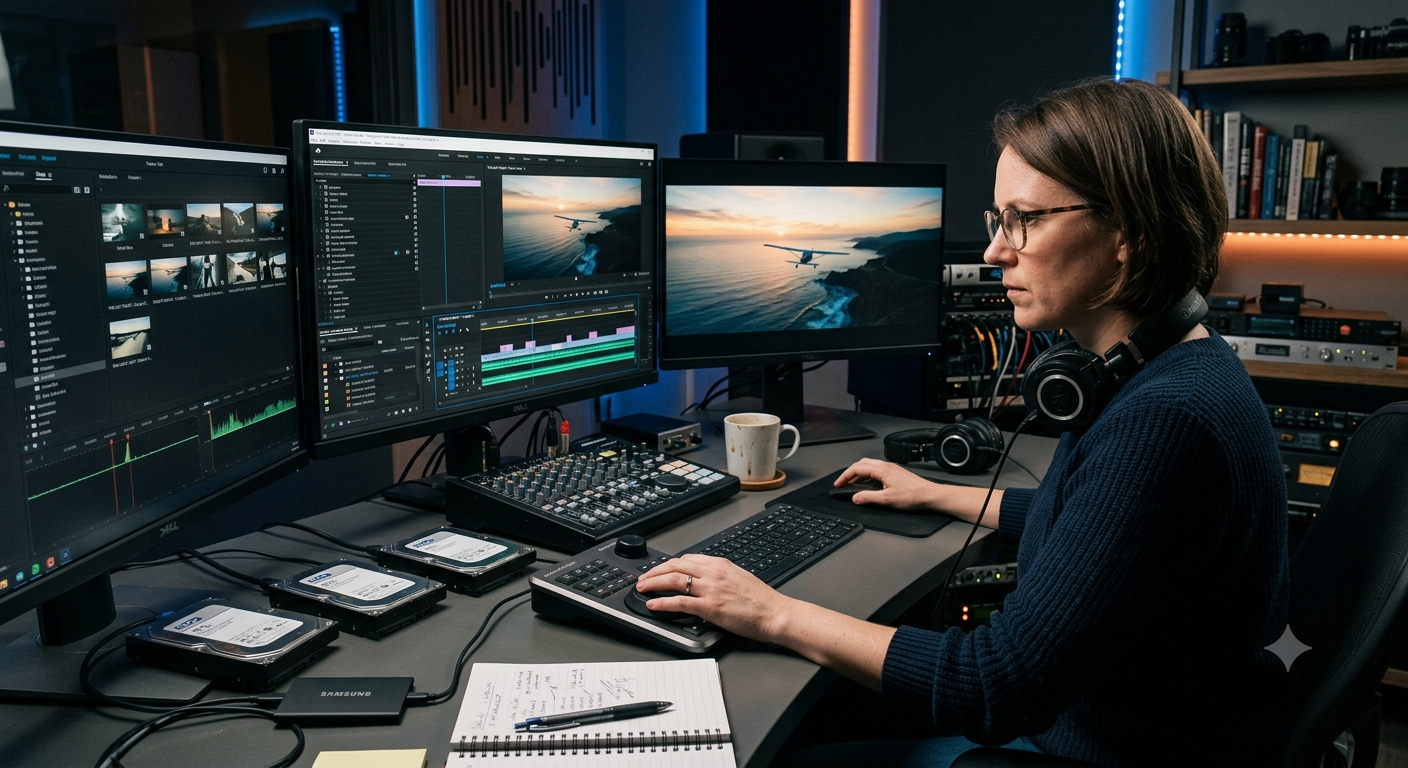
Video editing as a service means professional editing companies handle post-production work for creators and businesses, delivering final videos ready for upload. Instead of learning Premiere Pro yourself, managing freelancers, or hiring staff editors, you send raw footage to a provider and receive edited content back-typically within 24–48 hours.
This model emerged from the explosion of video content demand across YouTube, TikTok, Instagram Reels, and LinkedIn. Solo creators and marketing teams alike discovered that editing is the most time-consuming part of content production. Time savings can be achieved by outsourcing video editing tasks, freeing creators to stay focused on strategy, filming, and audience engagement and online presence. Outsourcing video editing can be more economical than employing in-house staff, especially when you factor in software licenses, cloud storage, training, and benefits.
Core Service Components
The foundation of any video editing service is technical post-production: trimming clips, sequencing scenes, building transitions, and ensuring pacing that holds watch time. Beyond assembly, video editing services cover tasks such as color grading and sound balancing. Color correction and grading are essential for achieving visual consistency in videos-especially when footage comes from multiple cameras or shooting sessions. Audio enhancement includes noise reduction, dialogue clarity, and music balancing to create the right emotional rhythm.
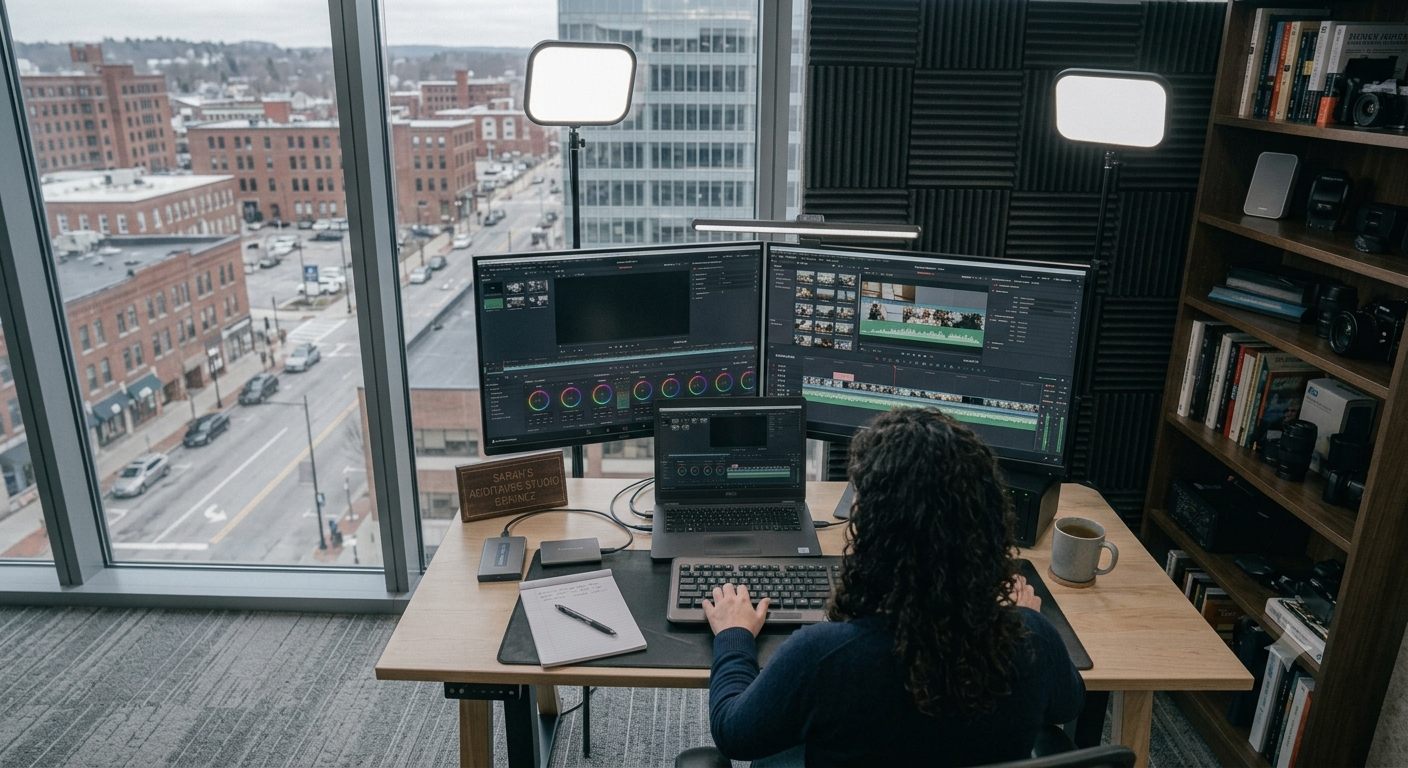
These core components are what separate professional quality from amateur output. Professional editing improves the overall quality and professionalism of videos, which directly impacts audience retention and channel growth. Providers typically work in industry-standard tools like Premiere Pro, DaVinci Resolve, and After Effects.
Value-Added Services
The best video editing services go beyond basic cuts. Video editing services often include thumbnail creation and SEO optimization, which are critical for YouTube’s discovery algorithm. Video editing services can optimize videos for YouTube’s algorithm through better titles, descriptions, tags, and thumbnail design.
Additional value-added services include:
-
Platform-specific formatting: Aspect ratio adjustments, captions, and subtitles optimized for each platform
-
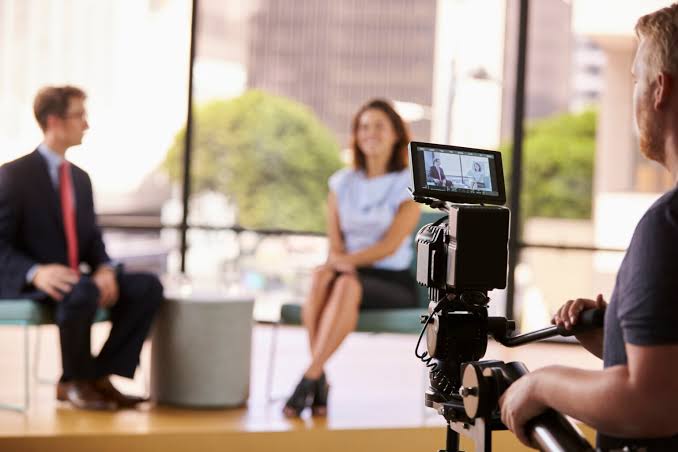
Content repurposing: Converting long form content into short form video clips, splitting video podcasts into highlight reels
-
Motion graphics and animation: Branded overlays, lower thirds, intro/outro templates, and pattern interrupts that boost retention
-
B roll integration: Adding supplementary footage, graphics, and visual elements that keep viewers engaged
These services extend basic editing into comprehensive content production support, especially when paired with video production for maximum output and reach. Understanding these components helps evaluate different service models and their offerings-which is exactly what we’ll cover next.
Service Models and Provider Types
Now that you understand what video editing services deliver, the next question is how they’re structured. The three dominant models in 2026-subscription, per-project, and enterprise-each serve different content volumes, budgets, and quality requirements. Video editors are utilized in industries such as marketing, education, and real estate, and the right model depends on your specific publishing cadence and goals and how you plan to use impactful storytelling across different video formats.
Subscription-Based Editing Services
The subscription model has become the most popular structure for consistent content creators. You pay a flat monthly fee for a set number of edits (or unlimited video editing in some cases), get a dedicated editor who learns your style, and receive quick edits with predictable turnaround.
Here’s how leading providers structure their subscription plans:
-
Tasty Edits charges $239 for long form videos with a turnaround time of 48 hours. Tasty Edits uses a proprietary Video Order Management Application and includes graphic design and marketing support. Tasty Edits offers video editing for various niches, making it versatile for different YouTube channel types.
-
Vidchops pricing is based on credits for video edits-one credit equals one long form video or four short form videos. Vidchops offers dedicated editors for personalized video editing and provides unlimited video editing for a monthly fee. Vidchops guarantees a turnaround time of 1–2 days, and most edits at Vidchops are completed within 24 hours.
-
Vidpros offers unlimited editing for $1,000 per month and completes edits overnight, making it attractive for creators who need next-day delivery.
-
Creatorly Media’s prices range from $320 to $450 per video, positioning them for creators who want premium long form editing without committing to unlimited requests.
-
Video Genie Works charges £30/$38 per hour for editing, offering flexibility for creators with variable workloads.
Best for: Short form video creators, YouTubers with consistent publishing schedules, and anyone producing weekly long form YouTube videos or daily social content. The subscription model gives cost predictability and often includes unlimited revisions within scope. Using video editing services allows creators to maintain a consistent publishing schedule.
Per-Project Editing Services
Per-project services charge per video based on length, complexity, and special requirements. Pricing varies-from around $100 for straightforward edits to $5,000+ for cinematic productions with extensive motion graphics, animation, and sound design. This model works when you need one video or occasional high-budget productions like music videos, product launches, or brand campaigns.
Best for: Businesses with sporadic video needs, agencies producing client campaigns, or anyone needing specialized post-production that goes beyond standard long form editing. Per-project gives maximum flexibility but less cost predictability.
Enterprise and Agency Solutions
Enterprise solutions serve agencies and platforms that need scalable, white-label workflows. Providers like E2M Solutions offer white-label video editing services where the editing agency works invisibly under your brand. VideoScale provides a dedicated editing team for each client, with pricing starting at $1,299 per month and a turnaround time of 24 hours.
For platforms wanting to embed video editing directly into their products, solutions like Shotstack offer embeddable editor SDKs. These serve ed-tech companies, training platforms, and creator tools that want video editing as a native feature.
Video editing as a service allows scalability based on marketing campaign needs-enterprise solutions make this possible at volume. Understanding these models helps determine which approach fits specific content goals and budgets.
Selecting and Implementing Video Editing Services
Choosing the right video editing service requires matching your content demands to a provider’s capabilities. Choosing a video editing service involves evaluating technical capabilities and creative style-not just price. Here’s how to evaluate systematically.
Evaluation Framework
Use this process before committing to any provider:
-
Assess content volume and publishing frequency: Count how many long form videos and short form clips you need per week. A creator posting one long form YouTube video plus five Reels weekly has different needs than a brand producing one video quarterly. Providers like Vidchops map their credit systems directly to this-1 long form = 4 shorts.
-
Determine quality standards and brand consistency needs: Do you need a dedicated editor who learns your color grading preferences, pacing style, and thumbnail design approach? Services with art director reviews (like Indiev) deliver higher consistency. Prepare brand guidelines covering style, fonts, music, captions, and logo usage.
-
Calculate budget constraints and ROI expectations: Compare in-house costs (U.S. editor salary: $65,000–$78,000/year plus software and benefits) against subscription fees. A $1,000/month Vidpros plan costs $12,000/year-a fraction of a full-time hire.
-
Evaluate turnaround time requirements and revision policies: Most video editing services promise turnaround times of 24–48 hours. Clipmasters can finish videos in as little as 24 hours. But understand what counts as a revision-scope creep on “unlimited revisions” is a common friction point.
Provider Comparison Criteria
|
Criterion |
Subscription Services |
Per-Project Services |
Enterprise Solutions |
|---|---|---|---|
|
Cost Structure |
Predictable flat monthly fee ($239–$1,500/mo) |
Variable project pricing ($100–$5,000+) |
Custom enterprise rates ($1,299+/mo) |
|
Turnaround Time |
24–48 hours standard |
3–7 days typical |
Negotiated SLAs (often 24 hours) |
|
Editor Consistency |
Dedicated editor assigned in most plans |
Variable editor pool |
Dedicated team structure with art direction |
|
Best Use Case |
Weekly YouTube creators, social media teams |
One-off campaigns, music videos, high-budget productions |
Agencies, platforms, multi-brand operations |
|
Revision Policy |
Often unlimited within scope |
Defined per contract |
Negotiated, typically generous |
How to interpret these trade-offs: Predictability and volume favor subscription models. If you’re a solo creator posting long form YouTube videos weekly, a subscription with a dedicated editor delivers the best combination of cost, speed, and style consistency. Per-project works when you need one video to be exceptional. Enterprise fits agencies managing multiple clients or platforms embedding editing into their product.
Video editing services can optimize content for various platforms like YouTube and Instagram-make sure your chosen provider handles the platform formats you need and understands the distinction between video production and video marketing strategy. Editing services increase audience engagement by delivering clearer messages, so don’t choose based on price alone.
Common Challenges and Solutions
Most businesses and creators face similar obstacles when outsourcing video editing. Anticipating these challenges helps you build more productive, long-term partnerships with your editing provider.
Inconsistent Quality and Style
When multiple editors touch your content-or your dedicated editor changes-visual style can drift. Color grading shifts, pacing feels different, thumbnails lose brand coherence.
Solution: Provide detailed brand guidelines covering color palettes, transition preferences, music style, font choices, graphics, and captions standards. Include reference videos showing your preferred style. Request a dedicated editor whenever possible, and ask for art director review on final videos. Professional video editing enhances brand consistency across platforms, but only when editors have clear reference material.
Communication and Revision Management
Vague feedback creates cycles of revisions that frustrate both sides. Saying “make it more engaging” gives your editor nothing to work with.
Solution: Use timestamped feedback tools like Frame.io. Be specific: “Cut 15 seconds between 2:30–2:45,” “Add a pattern interrupt graphic at 4:12,” “Bring music volume down 3dB during dialogue.” Set revision limits upfront and define what counts as a revision versus a new request. This keeps the project on track and ensures your own videos match your vision.
Turnaround Time Delays
Even providers promising 24–48 hours can slip during high-volume periods, disrupting your publishing schedule and your channel’s consistency.
Solution: Build 24–48 hours of buffer into your content calendar. Upload raw footage as early as possible-don’t wait until the last minute. Choose services with guaranteed delivery windows. Tasty Edits has a turnaround time of 48 hours; VideoScale offers a turnaround time of 24 hours. Having footage organized with clear labels, B roll marked, and a brief attached makes the editing process super easy for your editor to stay focused and deliver on time.
Cost Overruns and Scope Creep
You request video edits for a “simple” YouTube video, then add motion graphics, custom animation, a thumbnail, and three platform reformats. Your bill doubles.
Solution: Define project scope clearly before work begins. Understand what’s included in your plan-many providers include thumbnails and captions but charge extra for advanced animation or graphics. Negotiate fixed-rate arrangements when possible. The video editing SaaS market is growing rapidly (projected to reach $6.09 billion by 2030), reflecting broader video marketing trends through 2025 and 2026, and pricing competition benefits buyers-but only when you understand what you’re paying for.
Addressing these challenges upfront leads to more successful long-term partnerships with editing services and ensures every next video meets your standards.
Conclusion and Next Steps
Video editing as a service offers scalable, professional solutions for content creators and businesses without the overhead of in-house editing teams. Whether you’re a solo creator producing long form YouTube videos, a brand scaling short form content across platforms, or an agency managing multiple client channels, there’s a service model that fits your volume, budget, and quality requirements.
The market offers real options at every price point-from Tasty Edits at $239 per long form video to Vidpros’ unlimited editing at $1,000/month to VideoScale’s enterprise solutions starting at $1,299/month. AI tools are accelerating workflows but haven’t replaced the human creative judgment that makes content connect with your audience.
Your immediate next steps:
-
Audit your current content volume-count weekly long form and short form videos you publish or want to publish
-
Set quality standards by documenting your brand guidelines, style preferences, and reference videos
-
Research 3–5 potential providers from the models above and request sample edits using your own footage
-
Compare turnaround time guarantees, revision policies, and per-video costs against your publishing schedule
-
Start with a single first video or trial period before committing to a long-term plan
For deeper exploration, consider studying video production workflows for filming efficiency, content strategy optimization to ensure you’re editing the right videos for your audience, and platform-specific editing requirements that maximize watch time on each channel.
Additional Resources
-
Video editing service comparison template: Track providers across price per video, turnaround time, revision limits, service types (short form, long form, music videos, video podcasts), brand consistency, and communication tools
-
Brand guidelines checklist for outsourced editing: Document color palettes, fonts, pacing preferences, transition styles, audio levels, music style, logo placement, intro/outro templates, thumbnail design, and captions format
-
ROI calculation worksheet: Compare annual cost of in-house editor ($65,000–$78,000 salary + $3,000–$5,000 software/storage) versus subscription services ($3,000–$18,000/year) versus per-project rates, factoring in opportunity cost of your own editing time
-
Platform-specific video requirements guide: Specs for YouTube (16:9, custom thumbnails 1280×720), TikTok (9:16, auto-captions), Instagram Reels (9:16, 90-second max), and LinkedIn (multiple aspect ratios, subtitle requirements) including max file sizes and caption standards