
Look, we get it. Video production feels like a big deal—and honestly, it is. You’re talking about locations, crew, product inventory, staff time, and a whole lot of coordination. But here’s the thing: when you approach tv ad production strategically, that single shoot transforms into a content engine that powers your brand for 12-18 months. Let’s break down exactly how the entire process works, from that first spark of an idea to watching your finished commercial air across broadcast tv and beyond.
Why TV Ad Production Still Matters in 2026
Television advertising isn’t going anywhere. Even in 2026, linear TV and CTV together reach about 90% of U.S. adults weekly, and viewers consistently rate TV-exposed brands higher on trust metrics. That’s not nostalgia talking—it’s the reality of high production value reflecting positively on your brand and building genuine credibility with your target audience in the ever-evolving world of advertising and media.
Here’s where it gets interesting for budget-conscious marketers: a successful tv commercial doesn’t just live on broadcast. The same footage becomes your website hero video, product demos, social clips, and recruitment content. Studies show landing pages with video can boost conversions by 80-100%, with time-on-site jumping by 88% when visitors engage with quality footage. An omnichannel approach, combining TV ads with digital campaigns, can increase message reinforcement and viewer engagement across every touchpoint.
Yes, commercial production requires upfront investment—think locations, talent, product inventory for demos, and coordination across your in house team. However, efficient planning during pre-production can help save money and allocate resources effectively for a successful commercial production. But the media and content value compounds over 12-18 months. At Granite River Studios, we’ve seen clients stretch one well-planned shoot into a full year of assets across broadcast, OTT/CTV, web, and social channels. We handle everything from creative direction to final delivery for brands throughout Greater Boston and Southern New Hampshire.
What follows is a deep dive into every stage of the tv commercial production process—the roadmap you need to go from concept to campaign, closely aligned with our broader approach to creating a video commercial from concept to screen.
Defining the Strategy: From Business Goals to Media Plan
Every tv ad starts with a simple question: what does success look like? Maybe you’re launching a product in Q4 2026, building regional awareness across Massachusetts, or driving web sign-ups. Understanding the target audience is essential to tailor the ad’s message effectively, and your business objectives shape everything downstream.
Translating goals into a media plan means identifying:
|
Element |
Example |
|---|---|
|
Target markets |
Boston DMA (7.75M TV homes) |
|
Channels |
Local broadcast, cable, OTT platforms |
|
Timing |
Prime time, news, sports dayparts |
|
Budget range |
$50k-$150k for 3-month regional flight |
|
GRP goals |
300-500 TRPs for awareness campaigns |
|
Media planning involves determining the best channels and time slots to air a commercial to maximize reach and frequency, taking into account target audience demographics and viewing habits. As part of this process, a media buy is executed to distribute the advertising content to the target audience through selected channels and optimal timing, ensuring maximum exposure. Effective ad placement during programs that align with audience viewing habits enhances impact significantly. |
Here’s the reality: media buying costs often exceed production costs. A media buying agency will tell you that clarifying your budget bands early prevents expensive rework later. Granite River Studios regularly collaborates with clients’ agencies or local station sales teams to ensure your spot meets exact media plan specs—because nothing’s worse than producing gorgeous footage that doesn’t fit your buy.
Creative Brief and Concept: Building the Core Idea
The creative brief is your north star. It’s the document that keeps everyone on the same page, connecting business strategy to the story you’ll tell on screen.
A detailed creative brief should include:
-
Target audience profile and demographics
-
Single-minded message (one thing you want viewers to remember)
-
Desired viewer action (visit site, call, purchase)
-
Tone and creative approach (cinematic, documentary, humorous)
-
Budget range and timeline
-
Mandatory brand elements (logos, taglines, legal disclaimers)
-
A clear understanding of the client’s product, ensuring it is thoughtfully incorporated during concept development and scriptwriting to shape messaging and visual storytelling
Ads should maintain brand consistency in identity elements like logos, tone of voice, and color palettes—this isn’t negotiable. At Granite River Studios, we turn your brief into 2-3 distinct tv ad concepts, each with a working title and one-sentence hook, acting as your script-to-screen creative partner for video production. Think “Unlock NH’s Hidden Speed” for a logistics company or “The 24-Hour Promise” for a regional retailer.
Compelling storytelling is essential for creating effective tv commercials, as it engages viewers emotionally and makes the message memorable. Stakeholders review concepts and select one direction to develop further, ensuring alignment with brand, legal, and leadership requirements. We always recommend at least one concept designed for multi-platform use—a 30-second broadcast cut plus 15-second social cutdowns from the same footage.

Scriptwriting and Storyboarding: Shaping the 30-Second Story
Here’s the challenge: you’ve got 15-30 seconds to tell a complete story. Effective TV ads should capture the viewer’s attention within the first 3-4 seconds to avoid losing their interest entirely. No pressure, right?
Scriptwriting for commercials is crucial as it must convey the core message, highlight product benefits, and include a strong call to action, all within a concise format of typically 30 or 60 seconds. The script serves as a blueprint for the entire project, guiding the creative team and ensuring that the production aligns with the intended vision and goals.
An effective tv commercial script follows this structure:
-
Opening hook (0-3 seconds): Visual punch that stops the scroll
-
Problem/need (3-10 seconds): Tension your audience relates to
-
Solution (10-22 seconds): Your client’s product or service as the hero
-
Strong call to action (22-30 seconds): URL, phone number, or next step
A well-crafted script not only communicates the message but also tells a story visually, enhancing the impact of the advertisement even without dialogue. We develop script drafts with exact timings—a :30 spot typically runs 75-90 words—marking voiceover versus on-screen dialogue to prevent overruns.
Storyboarding translates the script into visual elements, with 20-40 frames showing camera angles, movement, and on-screen text. This alignment tool helps director, client, and crew spot challenges early—like needing drone shots over a New Hampshire facility or complex product demo close-ups—and save time before cameras roll.
Pre Production Planning: Locking in the Details
Pre production is where creative becomes concrete. This phase—typically 2-6 weeks—determines whether your shoot runs smoothly or turns into chaos.
Pre-production is the organizational backbone of any successful commercial, ensuring that every aspect of the production is accounted for and planned meticulously. A thoroughly conductied pre-production phase will always improve outcomes – whether reduced costs or better results, or simply saving headaches during the shoot.
Key pre production planning tasks include:
-
Scheduling: Creating detailed shooting schedules (e.g., Day 1 exteriors Boston, Day 2 NH interiors)
-
Budgeting: Finalizing costs (typically 40% personnel, 30% equipment, 20% contingency)
-
Casting: Booking talent and actors through auditions—selecting and booking the right talent is crucial for live-action shoots, as their on-screen chemistry, authenticity, and performance directly impact the quality and success of the tv ad. This process includes auditioning, evaluating talent, booking talent, and handling talent releases. SAG-AFTRA rates run about $750/4hrs plus usage rights.
-
Location scouting: Securing Boston high-rises ($2k/day + insurance) or NH manufacturing floors with proper permits
-
Crew hiring: Director ($5k/day), DP, sound mixer, gaffer, and support crew
In pre-production, scripts may need approval from regulatory bodies to ensure compliance with legal and ethical standards—especially for claims in healthcare, financial services, or food and beverage advertising.
Smart planning—like grouping all product close-ups into one half-day—can dramatically save time on set and stretch your budget. Granite River Studios uses detailed call sheets, shot lists, and shared production calendars so clients know exactly what’s happening before anyone yells “action,” helping brands avoid common commercial video production mistakes that can derail a shoot.

Production Day: Capturing Footage for Multiple Channels
Shoot day typically spans 12-14 hours: crew call at 6 AM, hair and makeup, blocking rehearsals, 8-10 hours of principal photography, and loadout at wrap.
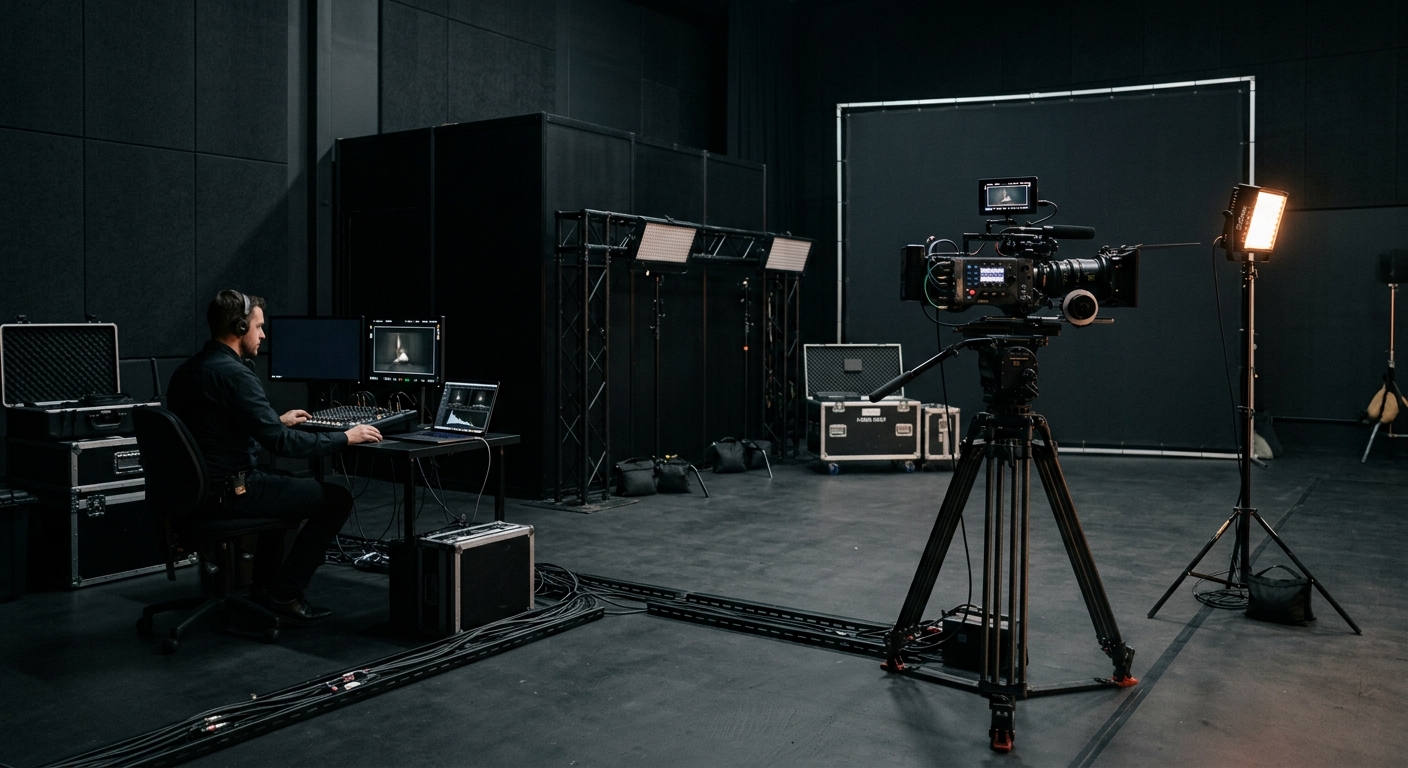
On set, you’ll see the director orchestrating the vision, the DP operating cameras (often an ARRI Alexa Mini or RED), sound mixers capturing clean audio, gaffers managing lighting, and our producer keeping everything on schedule. The production process moves fast, but every minute is planned.
Here’s the magic formula for maximizing value: capture not just your tv commercial shots but also extra material. We routinely shoot:
-
Product b-roll and demo footage for websites
-
Leadership interviews for about pages
-
Behind-the-scenes clips for social
-
Customer interactions for testimonials
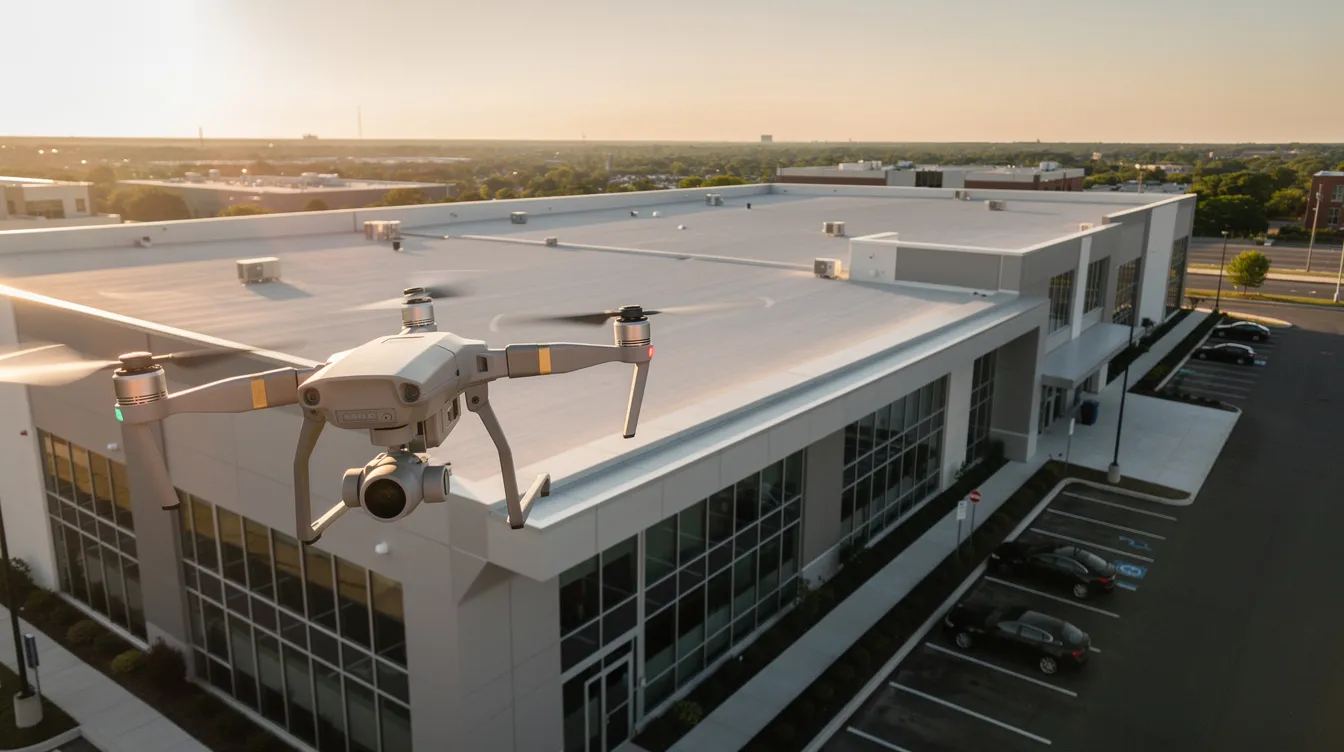
Multi-camera setups provide faster coverage, drone videography captures stunning exterior establishing shots, and slow-motion product shots (120-500fps) create those beauty moments that make audiences pause—all part of a creative streaming video production approach that maximizes impact across channels.
A well-run set follows the storyboard but stays flexible. Sometimes golden hour light or an unexpected customer interaction creates film magic you couldn’t have planned. Clients in Greater Boston and Southern New Hampshire can attend in person or monitor via live video feed to approve key shots in real time.
Post Production: Editing, Motion Graphics, and Broadcast Polish
Post production is where raw footage transforms into the final commercial—and where the real storytelling happens. This phase typically runs 4-8 weeks and involves multiple specialists working in concert.
Post-production involves editing, sound design, and visual effects to create a cohesive narrative, turning raw footage into assets that drive broader video production and video marketing strategies. Here’s the post production process breakdown:
|
Stage |
What Happens |
|---|---|
|
Rough cut |
Initial assembly of footage |
|
Fine cut |
Refined timing and pacing |
|
Picture lock |
Final edit approved |
|
Color correction |
Adjusting color balance, contrast, saturation |
|
Audio mix |
VO, music, sound effects at broadcast levels |
|
Delivery |
Masters in required formats |
|
|
Video editing in post-production involves assembling footage, adding transitions, and shaping the overall flow of the commercial, which is crucial for effective storytelling. Color correction and grading during post-production enhance the visual appeal of the footage, creating a specific mood or aesthetic that matches your brand.
Sound design and mixing are essential for creating a rich audio experience, involving the addition of sound effects, music, and dialogue to enhance the emotional connection with viewers. Motion graphics and animation—product diagrams, lower thirds, logo animations—bring B2B stories to life and clarify complex offerings.
Granite River Studios creates multiple versions from one shoot: 30-second and 15-second tv spots, plus vertical and square crops optimized for CTV, YouTube, and social feeds. We handle quality control for safe title areas, broadcast loudness standards (-23 LUFS), and the specific file formats required by New England broadcasters.
Compliance, Delivery, and Media Buying Logistics
Different networks and platforms have specific requirements. TV ads are required to meet strict technical standards regarding frame rates and ad lengths. Connected TV (CTV) requires optimization for advertisements in 2026 due to its growing prominence in media consumption.
For broadcast delivery, we export master files to station specs (typically ProRes 422 HQ, 1080i59.94), follow naming conventions, and include any required slates. The finished product goes to media buyers with proper clock numbers for trafficking.
Media buying is the process of negotiating with television networks or stations to secure airtime for commercials, often facilitated by media buying agencies that have established relationships with networks. Granite River Studios coordinates with your media buying partners or directly with Boston-area tv stations to ensure files arrive on time before flight start dates.
The same master adapts for CTV and digital video buys, allowing a single production to power campaigns across broadcast, streaming, and social platforms simultaneously, as you can see in our portfolio of brand storytelling and advertising campaigns.
Measuring Results and Extending the Life of Your TV Ad
Producing a television advertisement typically takes 6 to 8 weeks from initial concept to final broadcast—but measuring results continues for months after. Tracking the performance of a commercial after it airs is essential for measuring its effectiveness and making adjustments to future campaigns.
Key metrics to track:
-
Website traffic spikes during and after airtime
-
Branded search lift (often 20-30% for strong campaigns)
-
Promo code redemptions
-
Call tracking data
-
Brand recall surveys
A clear call to action in a tv commercial guides viewers towards the desired next step, whether it’s visiting a website or making a purchase. And when you pair tv advertising with strong website video experiences, conversions climb significantly compared to text-only pages.
The real win? Extending your tv ad’s lifespan. We’ve worked with regional healthcare providers who used a 30-second broadcast spot plus cutdowns for ongoing recruitment on LinkedIn and YouTube—tripling applications over 12 months. That finished commercial becomes paid social content, sales presentations, trade show loops, and recruiting videos for future campaigns.
When planned strategically, the investment in a single production fuels a full year of marketing across tv, CTV, web, and social—exactly the kind of results-driven content strategy we deliver as a video marketing production company.
Why Partner with Granite River Studios for TV Ad Production
Granite River Studios is a B2B-focused, full-service commercial production company serving Greater Boston and Southern New Hampshire. We handle the entire process from creative brief through post production and delivery.
What sets us apart:
-
End-to-end tv commercial production services with creative direction and media strategy support
-
Experience across broadcast and OTT delivery with technical specs handled
-
Ability to capture extra content—product videos, testimonials, behind-the-scenes—during tv ad shoots
-
Expertise in brand storytelling, motion graphics, and drone videography
-
Regional focus with understanding of NH film incentives and Boston media landscape
Yes, tv ad production requires budget and internal coordination. But the resulting content library can support campaigns for an entire year—that’s the annual value that makes this investment smart, not expensive.
Ready to create your next ad campaign? Contact Granite River Studios to discuss your tv commercial or integrated video production needs, or reach out directly through our Say Hello contact page to start a conversation with our team of videography professionals in Derry, NH. Let’s build something amazing together.