By late 2026, over 85% of all brand impressions in B2B buying journeys will include video touchpoints. That’s not a prediction—it’s the trajectory we’re already on. If you’re searching for promotional videos ides or inspiration for your next campaign, here at Granite River Studios in Greater Boston and Southern New Hampshire, we’ve watched promotional videos shift from “nice-to-have” marketing assets to absolute table stakes for visibility and credibility.
Here’s the thing: a staggering 97% of marketers confirm that video helps increase user understanding of their products or services, with 76% of businesses reporting increased sales and revenue after implementing video marketing strategies. Promotional videos are proven to increase conversions by up to 80%, making them one of the most effective ways to promote products and services online. A well-planned promo video starts with a unique idea that sets it apart, then combines motion, sound, story, and human presence—delivering multiple times the impact of any static written or visual asset.
The central tension we’ll explore? Direct-to-camera credibility versus cinematic advertising-style memorability. Modern marketing strategy needs both. Throughout this article, we’ll use concrete examples to clarify promotional video concepts and demonstrate results. And every concept here can be produced once and repurposed across web, social media platforms, OTT/CTV, and sales decks for seriously extended ROI, especially when you apply a strategic storytelling approach to multi-channel video production.
Core Concept #1: Product Promotion Videos That Actually Sell
Product promotion videos focus on a specific offering—whether that’s a SaaS platform, manufacturing equipment, or professional service—and should run 45–120 seconds for web and social media channels.
Structure that works:
- Hook in first 5 seconds (bold stat or provocative question)
- Problem setup (10–15 seconds)
- Product reveal with 2–3 hero benefits
- Social proof or quick result
- Clear CTA: “Book a demo before June 30, 2026”
Research shows 90% of consumers find product demo and demo videos helpful and are 85% more likely to make purchases after watching them. Creating a compelling product demonstration video is crucial for generating traffic and interest around a new product, as it effectively showcases features and benefits. Videos that use visuals to demonstrate value are more effective than those that merely describe it.
You’ve got two visual directions: direct-to-camera founder explaining the product for trust, or advertising-style montage for memorability. We recommend testing both, starting with a clear concept-to-screen commercial production process so each version is planned and executed deliberately. Comparison videos allow consumers to make informed purchase decisions by presenting side-by-side evaluations, which can enhance consumer trust. Mix live action, screen captures for software, motion graphics callouts, and branded end cards optimized for multiple aspect ratios.
Core Concept #2: Customer Service & Experience Promotions
These promotional video ideas shift focus from what you sell to how you treat customers—response times, onboarding quality, and support philosophy.
Content to capture:
- Real examples of fast resolutions
- Service guarantees in action
- Onboarding walkthroughs
- Behind the scenes support team footage
Consider a “day in the life of a support request” narrative showing the journey from problem report to resolution. Time-lapse videos and day-in-the-life content effectively demonstrate the meticulous steps involved in product creation, transforming complex processes into engaging stories that resonate with viewers.
The tone should lean toward direct-to-camera authenticity—agents, CSMs, or service managers speaking plainly builds credibility fast. Embed these on pricing and support pages, include them in post-signup onboarding flows, and run as retargeting ads to visitors who viewed help content.
Core Concept #3: Brand Positioning & Anthem Videos
Brand anthem videos answer the big questions in 60–120 seconds: Who are we? What do we stand for? Why should anyone care in 2026?
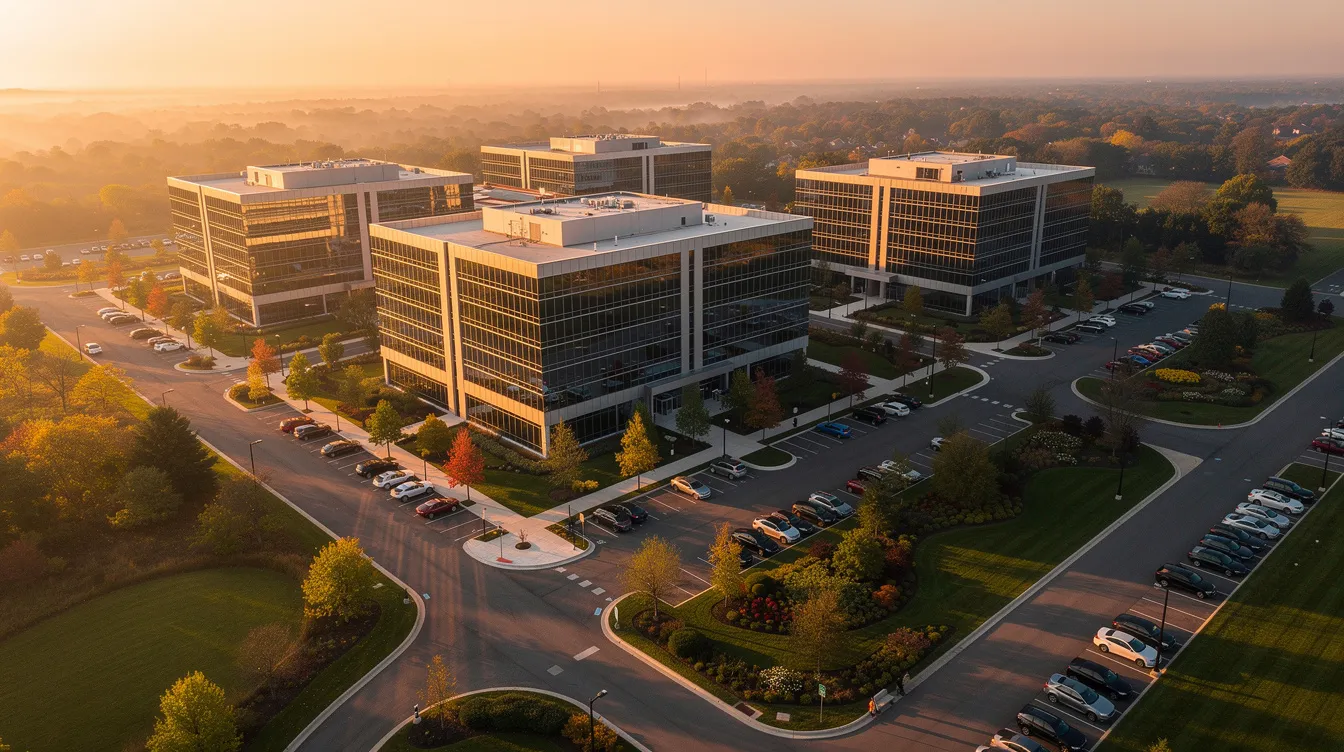
Before scripting, nail your positioning: define your target audience, category, differentiation, and proof points. Then lean into advertising-style visuals—cinematic b-roll, drone shots of facilities, customer environments, and motion graphics articulating mission and brand values.
Promotional videos that successfully incorporate humor can lead to increased brand awareness and customer loyalty, as entertaining content is more likely to be shared. Humor is an effective tool as it captures audience attention and fosters positive relationships with viewers—but ensure it resonates with your audience to avoid awkwardness. Coca-Cola’s branding campaigns, such as ‘Share a Coke’, are prime examples of emotionally resonant advertising that uses storytelling and memorable visuals to boost brand visibility and customer engagement.
Weave in short direct-to-camera lines from leadership and frontline staff to ground the message in real people. Place these on your homepage hero area, About page, investor decks, and as anchor videos for brand-focused OTT/CTV campaigns in the Boston–New England region.
Core Concept #4: Direct-to-Camera vs. Advertising Style – Choosing the Right Voice
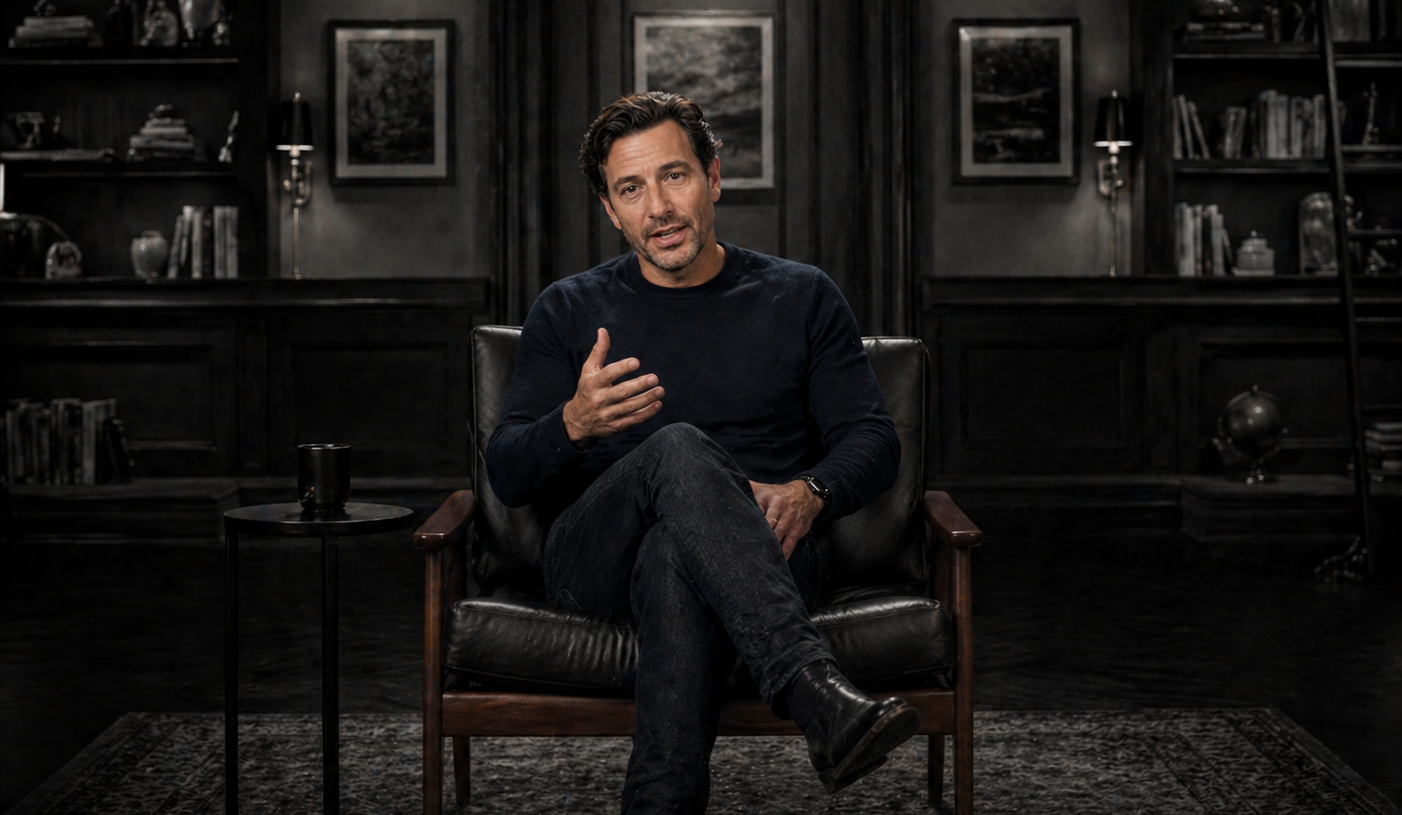
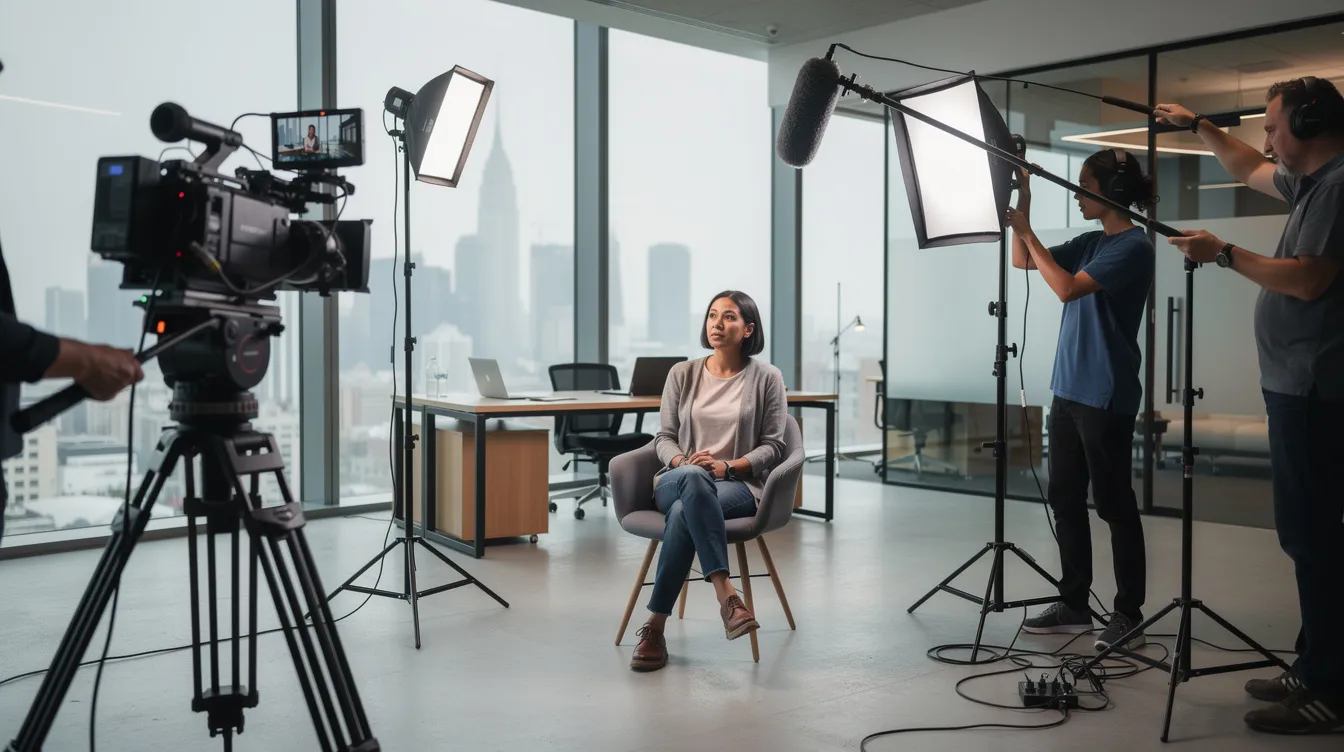
Direct-to-camera (DTC) means a person looking into the lens speaking plainly. Advertising style is more cinematic, scripted, and montage-driven. Both serve different purposes in your video project.
When to favor DTC:
- Complex offerings requiring explanation
- Trust-sensitive industries (healthcare, finance, B2B tech)
- FAQ content and thought leadership
- When expertise is the selling point
When to favor advertising style:
- Brand launches and consumer campaigns
- Top-of-funnel awareness building
- TV/OTT spots where memorability matters most
Storytelling in promotional videos can create emotional connections with viewers, as 95% of decisions are influenced by subconscious emotions. Candid Q&A videos featuring founders or staff answer common customer questions, adding a human element to a business—provided you avoid common commercial video production mistakes that undermine credibility.
The hybrid approach works beautifully: DTC “spine” with the founder speaking, intercut with supporting b-roll, graphics, and customer moments. For performance, coach non-actors to maintain eye-line right into lens, use concise lines, avoid teleprompter glare, and sound natural rather than “salesy.”
Core Concept #5: Testimonial & Case Study Videos for Proof
Testimonial videos transform static PDFs into 60–180 second visual narratives with measurable outcomes.
Recommended structure: | Section | Duration | Content | |———|———-|———| | Client challenge | 10–20 sec | The problem they faced | | Solution journey | 30–60 sec | Working with your team | | Results | 20–30 sec | Concrete numbers and KPIs |
Studies show that 95% of viewers trust video testimonials when making purchase decisions. About 84% of customers depend on online feedback and personal recommendations, making customer testimonials a crucial component in promotional videos.
Frame the on-camera customer as the hero—your brand is the guide that helped them succeed, not the main character. Effective storytelling often follows a three-part narrative structure: challenge, solution, and impact. Mix DTC interview shots with supporting visuals: the client’s environment, product in use, graphs or motion graphics of KPIs.
Priority placements include sales decks, proposal follow-ups, LinkedIn ads targeted by industry, and case study landing pages where static PDFs currently live.
Core Concept #6: Product Launch & Limited-Time Offer Promos
Time-bound promotional concepts tied to launches, seasonal offers, or milestones create urgency that static assets simply can’t match.
Launch concept breakdown:
- Early teaser (10–15 seconds): creating excitement before reveal
- Main reveal trailer (30–60 seconds): full story
- Feature deep-dives (1–3 minutes): for interested prospects
Teaser videos are short promotional clips designed to create anticipation for an upcoming product or event, effectively generating excitement among viewers. Effective teaser videos often utilize suspenseful music and engaging visuals to capture audience attention. Research shows that teaser videos can significantly increase viewer engagement and interest, making them a powerful tool for marketing campaigns.
Limited-time offer videos create urgency and can significantly boost conversion rates by leveraging psychological triggers like FOMO. Incorporate urgency ethically: on-screen countdowns, clear end dates, and limited quantity claims backed by real constraints.
Clear calls to action in videos instruct viewers on what to do next, such as visiting a website or making a purchase. Use custom landing pages, unique promo codes, or UTM-based QR codes on-screen to measure impact across channels.
Core Concept #7: How-To, Explainer & FAQ Videos That Reduce Friction
These video ideas serve dual purposes: they promote your expertise while deflecting repetitive sales and support questions. Over 96% of viewers gain insight from explainer videos, making them incredibly effective for building brand awareness.
According to research, viewers prefer instructional content under 20 minutes, with optimal engagement occurring in the 3-6 minute range. Effective tutorial planning begins with clear learning objectives and a well-structured script, ensuring smooth transitions between complex concepts.
Format options:
- Animated explainers for abstract systems
- Live-action walkthroughs for physical products
- DTC FAQ series answering top objections from sales calls
Keep how-tos focused on one task per video with chapter markers, lower-third labels, and callouts for key steps. Place them in resource centers, onboarding email sequences, YouTube playlists (the second largest search engine, after all), and as embedded help in-app or on product pages.
Include subtle promotional elements—branding, “next step” CTAs, and quick benefit reminders—without turning every how-to into a hard sell.
Core Concept #8: Behind-the-Scenes & Culture Videos
Behind-the-scenes promotional videos offer unique glimpses into a brand’s inner workings, establishing authentic connections with audiences. They promote trust, recruiting, and partnership readiness by showing how your company actually works.
Story angles to explore:
- A day on set with the production team
- How your R&D lab tests products
- How logistics hits tight 2026 delivery SLAs
- Welcoming new employees to the team
Transparency in behind-the-scenes videos creates authentic connections with consumers, as customers increasingly seek information about product sourcing and creation methods. High-quality production demands attention to both technical and environmental factors, including professional audio quality and proper lighting.
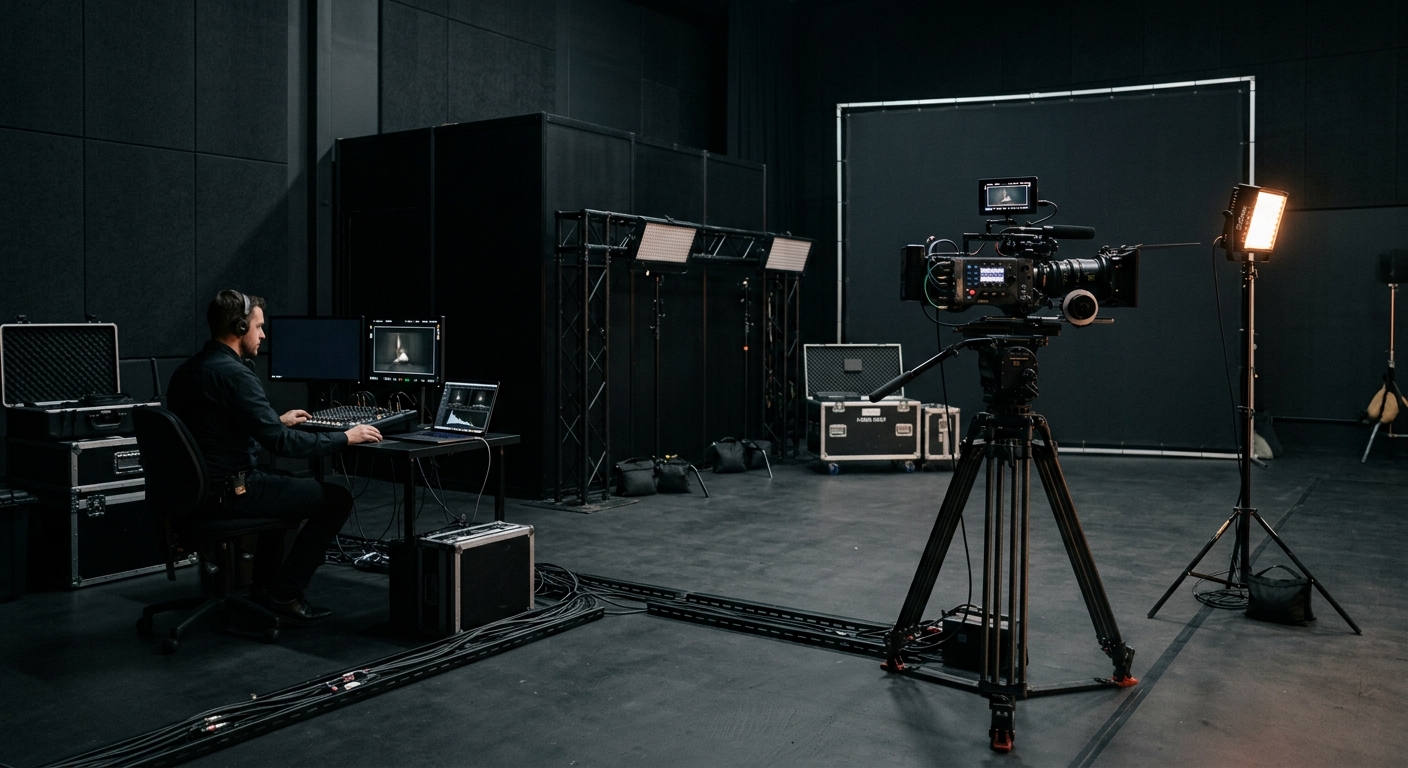
Recommend a looser, documentary feel: handheld shots, ambient sound, candid interactions, minimal scripting—with a short narrated spine. Investing in good lighting, sound, and editing is essential to maintain a professional brand image, especially when you’re showcasing a team of experienced videography professionals. These scenes serve both employer branding (LinkedIn, careers page) and customer-facing brand storytelling.
Core Concept #9: Social-First Promotional Clips & Vertical Video
In 2026, any promotional video plan must include social-native cuts for TikTok, Instagram Reels, YouTube Shorts, and LinkedIn. This isn’t optional—it’s where your potential customers are watching.
Think in modules: create a master 60–90 second video, then script natural breakpoints for 10–20 second vertical clips. Design hooks optimized for swipable feeds: bold stats, provocative questions, or one sharp visual that communicates value in under three seconds.
Captions help optimize video content for silent viewing, ensuring it is accessible without sound—critical since 85% of social video is viewed muted. User generated content videos amplify brand authenticity, as 84% of millennials report that such content influences their purchasing decisions.
All clips should resolve to a consistent landing page or top-of-funnel resource to concentrate measurable results. Think Dollar Shave Club’s breakout viral approach—social-first, personality-driven, and shareable across multiple platforms, similar to the campaign work highlighted in our portfolio of brand and promotional video projects.
Core Concept #10: Motion Graphics & Animation for Complex Stories
Motion graphics and 2D/3D animation shine when your story involves data, abstract systems, or intangible services—cybersecurity, AI platforms, fintech infrastructure.
Blend animated sequences with live-action footage to save budget while making dense information accessible and visually engaging. This hybrid approach can reduce production costs by 30% while maintaining a good video quality.
Key elements to incorporate:
- Iconography matching brand guidelines
- Kinetic typography for key claims
- Animated diagrams replacing static charts
Write for clarity: short on-screen phrases, voiceover scripted at conversational pace, and deliberate pauses to let visuals land. Deliverables include full-length explainers, 6–15 second animated bumpers for CTV ads, and looping social GIFs derived from the main piece. While longer videos on platforms like YouTube can provide additional SEO benefits, promotional videos are most effective when kept within a 45-second to three-minute range.
Core Concept #11: Drone, Location, and Environment-Focused Promos
For campuses, venues, manufacturers, and regional brands, location itself is a promotional asset that video showcases better than any photograph ever could.
Sequence recommendations:
- Drone establishing shots for scale
- Walk-throughs of key facilities
- Overlays identifying important spaces
- Quick on-site interviews for authenticity
In the Greater Boston and Southern NH area, seasonal visuals add emotional resonance—October foliage, summer waterfront views, winter snowscapes. Pair these visuals with concise copy about capacity, safety, technology, and visitor experience.
Cut these into both a main “tour” video and shorter location teasers for event promo campaigns. This approach works beautifully for B2B, education, and hospitality businesses looking to spark interest and drive traffic.

Core Concept #12: Strategic Measurement – Proving Video Beats Static Assets
Here’s the proof engine: how you demonstrate that promotional videos deliver multiple times the impact versus static content.
Key metrics to track: | Metric | What It Measures | Target Improvement | |——–|——————|——————-| | View-through rate | Completion percentage | 3-5x vs. static | | Watch time | Engagement depth | 2-3 minutes average | | Assisted conversions | Attribution to video | Track by source | | Demo requests | Direct response | 20-30% lift | | Deal size | Video in sales cycle | Measurable increase |
Run A/B tests: video vs. no video on the same website landing page, or DTC vs. ad-style variants tracked over 60–90 days. Add unique CTAs or QR codes in OTT/CTV and TV spots to attribute inbound calls, booked meetings, or store visits to specific promotional concepts.
Once a business sees the hard numbers—not theory, actual data from their sales funnel—video shifts from experimental line item to an always-on part of their marketing mix. This research-driven approach connects with potential clients who need proof before commitment.
Bringing It All Together: Building a 2026-Ready Promotional Video Mix
No single concept is enough. The best promotional videos work as part of a system—mixing product promos, service stories, brand anthems, testimonials, explainers, and social-first clips. Many businesses discover that careful planning across these categories yields dramatically better understanding and engagement.
Sample package for a mid-sized Boston brand:
- 1 brand anthem (60–90 seconds)
- 2–3 product promos (45–60 seconds each)
- 2 customer testimonial videos (90–120 seconds)
- 1 explainer or corporate video (2–3 minutes)
- 10–15 social cutdowns (10–20 seconds vertical)
Balance direct-to-camera authenticity with advertising-style memorability based on where buyers are in their journey and the trust required at each stage. A happy customer speaking plainly builds credibility; cinematic b-roll builds brand image and memorability.
By late 2026, buyers will expect video at every critical touchpoint in their purchasing decisions. Brands still relying on static assets alone will feel invisible—like your dad’s Chrysler sitting in the driveway while everyone else drives something that actually turns heads.
Ready to plan your next video project or audit your current promotional video slate for the next 6–12 months? At Granite River Studios, we handle everything—scripting, production, motion graphics, drone filming, and multi-channel delivery. We’re a subject matter expert team that loves this craft, and we’re ready to help you build brand awareness, drive sales, and introduce your company to the world in ways that actually connect.
Hey, let’s do it. Let’s give it a try.