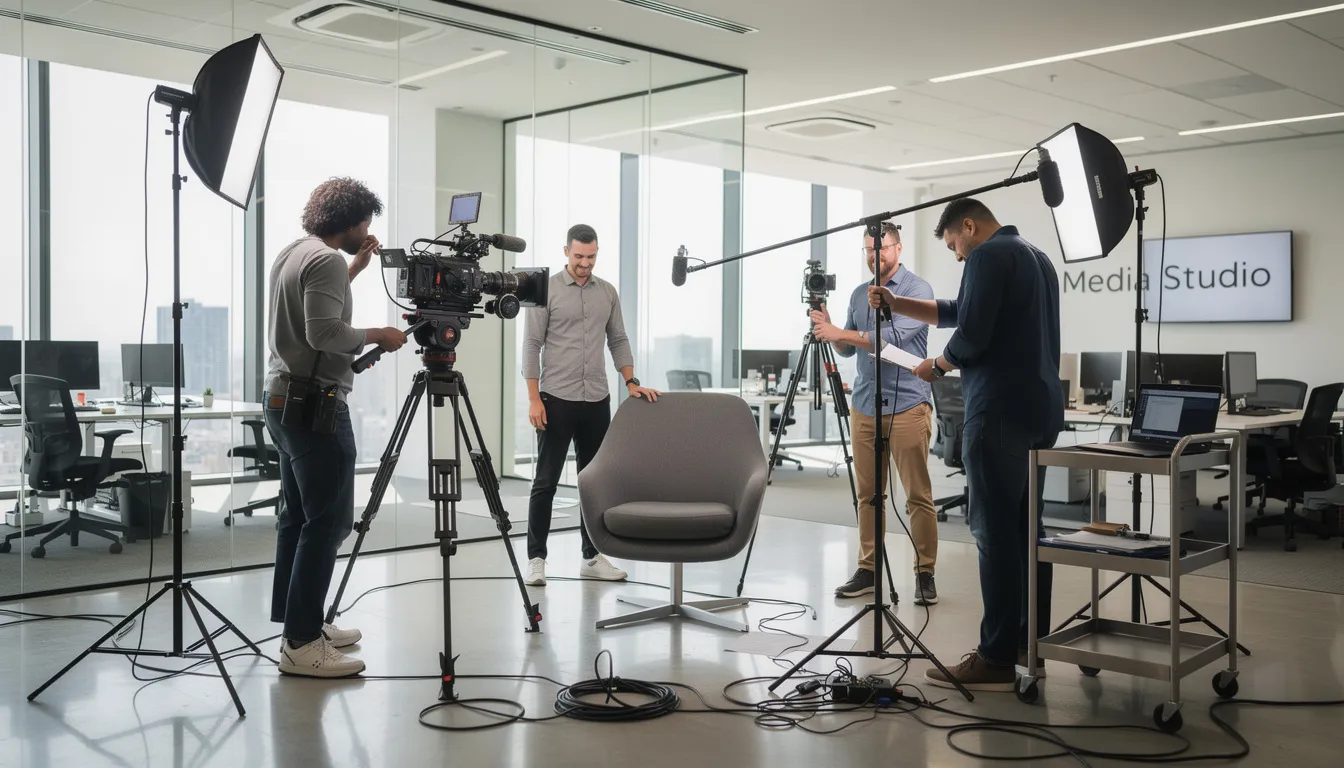
Producing content that stands out requires more than pointing a camera and pressing record. For mid-sized and large brands across Greater Boston and Southern New Hampshire, video has become the most effective way to tell stories, launch products, and build lasting connections with customers. This Video Production Guide will walk you through the process behind creating high-quality video content, which remains unclear to many marketing and communications teams.
Every successful video production starts with a clear and purposeful idea, which guides the creative development and strategy.
This article walks through the entire process of video production as it exists today—from initial concept to final delivery across broadcast, OTT/CTV, web, and social platforms.
What is video production in 2026?
Video production is the process of producing video content.
Video production is the complete process of planning, capturing, editing, and delivering video content for commercial, corporate, and marketing purposes. In 2026, this definition spans everything from 6-second social bumpers to 30-second TV spots and 2–3 minute brand anthem films. The video production process has evolved dramatically over the past two decades, shaped by digital workflows, cloud collaboration, and the explosion of distribution channels.
The shift from analog video tape to digital formats fundamentally changed how production teams work. Where crews once managed physical tape stock, today’s productions capture directly to high-capacity SSDs and NVMe drives, with footage stored in formats like ProRes, .mp4, and .mov. Cloud storage enables real-time collaboration between editors, colorists, and clients—whether they’re in Boston or across the country. This digital infrastructure means faster turnarounds, easier version control, and the ability to deliver a final video optimized for multiple platforms simultaneously.
At Granite River Studios, we operate as a full-service B2B video production partner serving Greater Boston, Massachusetts, and Southern New Hampshire. Our focus is brand and marketing content for organizations that need broadcast-level quality without the complexity of managing multiple vendors. We handle everything from creative direction and scriptwriting to on-location production, post-production editing, and strategic distribution planning.
Key Points About Today’s Video Landscape:
- Video accounts for over 82% of internet traffic, making it essential for any serious marketing strategy
- The global video production market reached $68.8 billion in 2023, projected to hit $119.4 billion by 2030
- 91% of businesses now use video marketing, with 87% reporting positive ROI
- Modern workflows support simultaneous delivery across broadcast, OTT/CTV, web properties, and social platforms
- Digital formats and cloud collaboration have replaced physical tape and linear editing
Why video production matters
In today’s digital-first landscape, video production is a cornerstone of any successful marketing strategy. There are three main stages of video production: pre-production, production, and post-production. The video production process—spanning pre-production, production, and post-production—enables businesses to showcase their products, services, and brand stories in ways that are both engaging and memorable. High-quality video content not only captures attention but also builds trust and credibility with your audience.
Investing in professional video production services ensures that every stage of the process is handled with expertise, from initial concept to the final video. This attention to detail is critical for creating marketing videos that stand out in crowded feeds and drive real results. Whether you’re aiming to increase website traffic, boost conversions, or simply raise brand awareness, a well-executed video can make all the difference.
Effective video marketing starts with a deep understanding of your target audience and a clear vision for the story you want to tell. By crafting a narrative that resonates with viewers and aligns with your business objectives, you can achieve greater impact and ROI. As online video platforms and social media continue to dominate how people consume content, integrating video into your marketing strategy is no longer optional—it’s essential for staying competitive and relevant.
The three stages of video production
Every video production project—whether it’s a 15-second social ad or a full TV commercial—moves through three core stages: pre-production, production, and post-production. There are three main stages of video production: pre-production, production, and post-production. Skipping or rushing any of these phases almost always costs more later, either in reshoots, extended editing timelines, or content that doesn’t perform.
Pre-production
Pre-production is the initial and critical planning phase of a video production project. This is where strategy meets creativity. This stage includes defining goals, researching the audience, writing the script, storyboarding scenes, scouting locations, and assembling the crew. Team members take time to talk and coordinate, ensuring everyone is aligned before moving into production. For a typical B2B marketing video, pre-production ensures that every dollar spent on production delivers measurable value.
Production
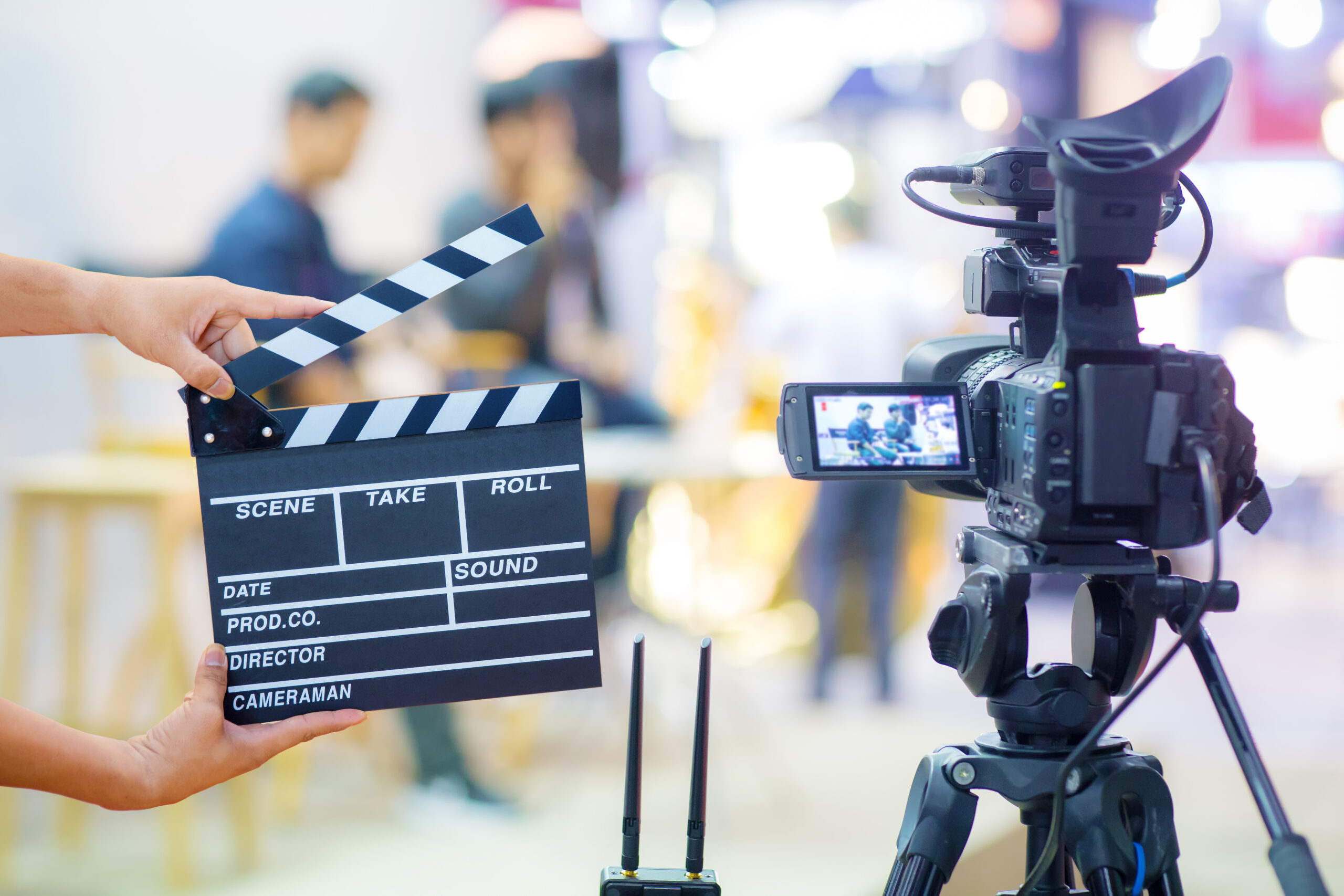
Production is the shoot itself—the days when cameras roll, lighting is set, and talent performs. This is where raw footage is captured, from executive interviews to product demonstrations to sweeping drone shots of your facility.
Once pre-production is complete, it’s time for principal photography, the phase where you shoot footage on location.
Post-production
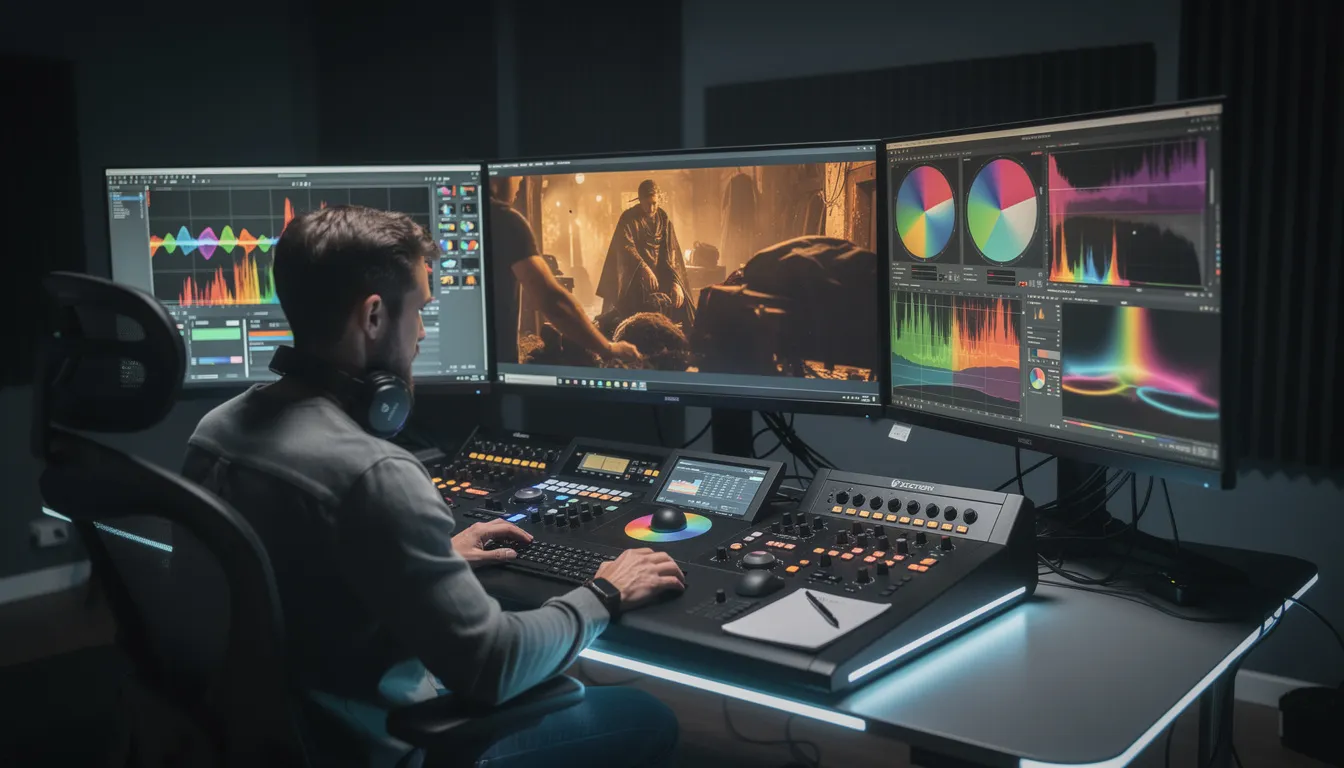
Post-production involves editing and assembling the audio and video materials, adding music, voice-over, sound effects, graphics, and visual effects. Post-production transforms that raw footage into the final video. Editors cut and arrange scenes, sound designers clean audio and add music, colorists grade the image, and motion graphics artists create titles and animations. The result is a polished piece ready for delivery.
Example Timeline for a 30-Second TV Spot in Boston
- Pre-production: 2 weeks (creative brief, script, storyboard, location scouting, scheduling)
- Production: 1–2 shoot days
- Post-production: 2–4 weeks (editing, sound mix, color grade, graphics, versioning)
Granite River Studios manages all three stages in-house, coordinating directly with client marketing and agency teams. This integrated approach keeps projects on track and ensures creative consistency from the first concept meeting to final delivery.
Pre-production: strategy, story, and planning
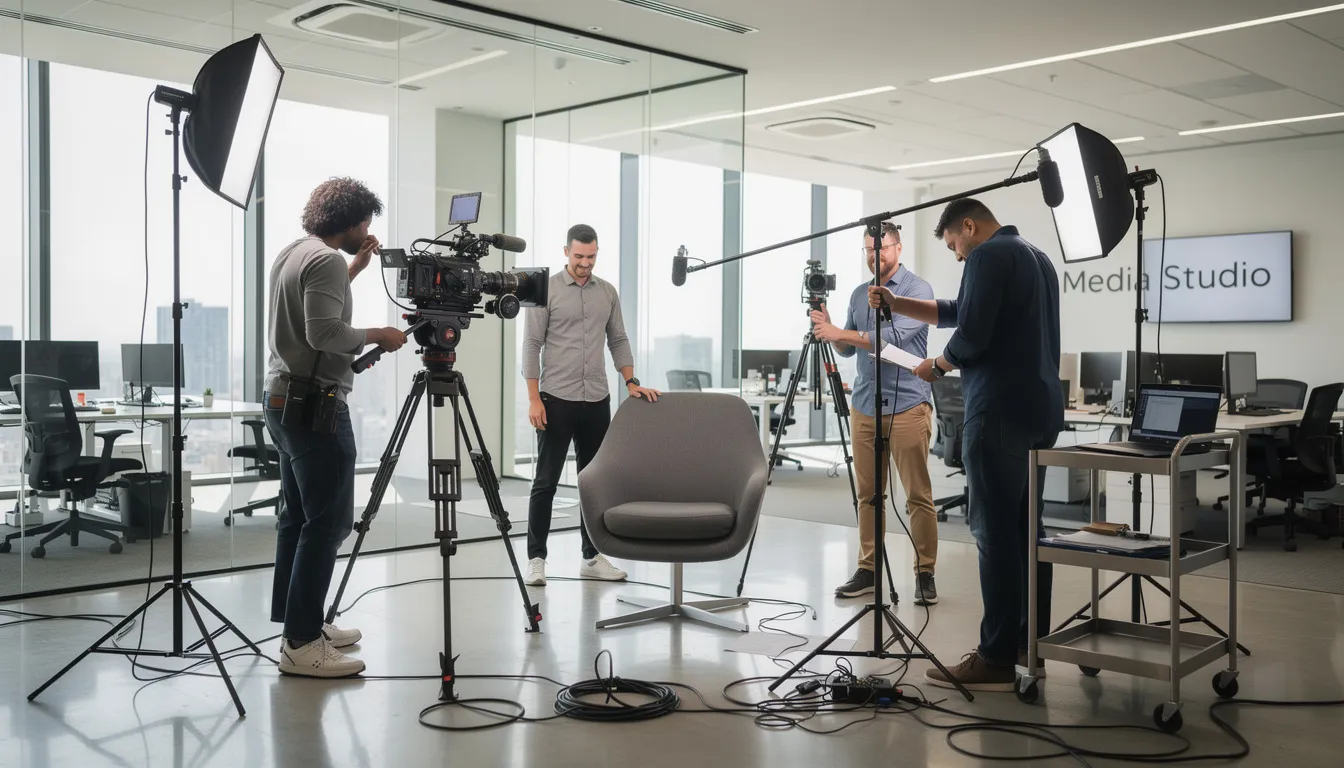
Pre-production is the initial and critical planning phase of a video production project. Pre-production is where results are decided. Before a camera is turned on, your production team must define clear goals, identify the target audience, select distribution channels, and craft messages that resonate. Addressing potential issues in advance during pre-production is essential for ensuring a smooth and successful project. This phase typically consumes 40–50% of the total project timeline for good reason: thorough planning prevents costly mistakes during the shoot and expensive fixes in the edit.
Creative Brief
Writing a concrete creative brief:
The creative brief anchors the entire project. It should include:
- Business objective (brand awareness, lead generation, product launch)
- Primary KPI (views, engagement rate, conversion, sales lift)
- Target personas (industry, role, geographic focus within New England)
- Primary and secondary messages
- Required deliverables and aspect ratios (16:9 for broadcast, 9:16 for social, 1:1 for LinkedIn)
- Budget parameters and timeline constraints
Scriptwriting
Scriptwriting and messaging:
A strong script transforms product features or service benefits into a concise narrative. For B2B brands, this means translating technical capabilities into language that resonates with decision-makers. Scripts are typically written in multiple durations—15, 30, and 60-second versions—and may require variants for different aspect ratios.
Storyboarding and Shot Lists
Storyboarding and shot lists:
For complex shoots involving multiple locations (such as offices in Boston, manufacturing floors in Lowell, and exteriors in Nashua), storyboards visualize each scene before production begins. Shot lists break down every required image, camera angle, and prop. Selecting the right images and visual overlays is crucial for establishing brand identity and reinforcing messaging in video content. These documents keep crews efficient and ensure no critical shots are missed.
Location Scouting
Location scouting and permitting:
Whether you’re filming in a Cambridge tech office, on a Boston rooftop with skyline views, or at a lakeside property in New Hampshire, location scouting identifies the practical and aesthetic requirements for each scene. Some locations require city permits, property releases, or coordination with building management.
Casting and Scheduling
Casting and scheduling:
B2B videos often feature real employees, executives, or customers rather than professional actors. This requires careful scheduling around executive calendars, consideration of union versus non-union talent when needed, and pre-production coaching to help non-actors feel comfortable on camera.
Motion Graphics Planning
Planning motion graphics and drone sequences:
Decisions about animation, motion graphics, and drone footage must happen early. These elements affect budget, crew requirements, and production logistics. A product explainer with animated UI demonstrations, for example, requires coordination between the live-action director and the motion graphics team from day one.
Research and Creative Discovery
Before proposing creative concepts, we research the client’s brand, competitors, and existing campaigns. For a Greater Boston tech firm, this might mean reviewing how similar companies in the Cambridge innovation corridor present themselves, analyzing what’s working in their current video content, and identifying opportunities to differentiate.
Discovery sessions bring together stakeholders to review past assets, brand style guides, and previous TV or social campaigns. This ensures consistency with established visual identity while exploring new creative directions.
Typically, we develop 2–3 creative directions with distinct visual styles and tones:
- Cinematic documentary-style (authentic interviews, observational footage)
- Motion-graphics-driven explainer (animated sequences, screen captures, voice over narration)
- High-energy product demo (dynamic camera movement, fast pacing, driving music)
Research also informs script language, on-screen terminology, and which visuals will resonate with the intended audience. A healthcare brand in Boston requires different imagery and vocabulary than an industrial manufacturer in Southern New Hampshire.
Interview and Testimonial Planning
Executive interviews, customer testimonials, and employee stories are foundational for B2B video content. Planning these elements carefully ensures authentic performances and usable footage.
- Build question lists tied directly to business goals (customer outcomes, measurable ROI, innovation stories)
- Decide between single-camera and multi-camera setups—multi-cam provides more flexibility in editing software and can reduce overall edit time
- Choose locations with clean audio and brand-appropriate backgrounds (R&D labs, manufacturing floors, scenic New England exteriors)
- Conduct pre-interviews and brief non-actors on what to expect, reducing nervousness and avoiding costly reshoots
- Schedule interview blocks that allow for breaks and setup adjustments without rushing talent
Production: capturing the story on set
Production is where planning becomes reality. A typical shoot day follows a structured flow: call time, equipment setup, blocking and rehearsal, principal photography, B-roll capture, and wrap. The goal is to capture all necessary raw footage efficiently while maintaining the creative vision established in pre-production.
Core Crew Roles
Core crew roles:
- Producer: Manages logistics, budget, schedule, and client communication
- Director: Guides creative execution and talent performance
- Director of Photography (DP): Designs lighting and camera work
- Camera Operator/Assistant: Operates camera, pulls focus, manages media
- Gaffer: Leads lighting setup and electrical
- Audio Mixer: Captures clean sound, manages microphones
- Drone Operator: Captures aerial footage (FAA-certified)
Crew Size
Crew size varies by project scope:
- Small corporate shoots: 2–4 person crew
- Mid-scale commercial productions: 6–8 crew members
- Large-scale TV commercials: 10+ crew with dedicated grip, electric, and production design teams
Production Tools
Tools of modern production (2024–2026):
- Cinema cameras: Sony FX6/FX9, Canon C70/C300, RED Komodo
- Support: Gimbals, sliders, jibs, and dolly systems for smooth camera movement
- Lighting: LED panels and fixtures (75% more energy-efficient than tungsten)
- Audio: Wireless lavaliers, boom microphones, dual-system recording
- Monitoring: On-set color-accurate displays and video village for client review
Granite River Studios brings broadcast-level standards to every B2B project. This includes dual-system audio (recording to camera and separate recorder for redundancy), timecode synchronization across devices, and on-set data backup following the 3-2-1 rule: three copies, two media types, one offsite.
Working with Non-Actors
Working with non-actors and subject-matter experts
Most B2B video production involves real people—founders, engineers, salespeople, and customers—who have never been on camera professionally. Coaching these individuals is critical to capturing authentic, usable footage.
- Provide talking points rather than word-for-word scripts, allowing natural delivery
- Use teleprompters when appropriate for longer messaging or precise language requirements
- Conduct lighting and sound checks with stand-ins to minimize time executives spend waiting on set
- Schedule shorter, focused interview blocks (20–30 minutes) rather than marathon sessions
- Maintain a calm, organized set with clear direction—this reduces nervousness and produces more natural performances
The goal is to make non-actors forget they’re on camera, capturing genuine moments that resonate with viewers.
Drone Videography
Drone videography and multi-camera setups
Aerial footage adds production value and visual interest that ground-level cameras cannot achieve. Drone videography is especially powerful for:
- Campus and facility overviews (tech parks, corporate headquarters, manufacturing complexes)
- Exterior establishing shots (Boston skyline, coastal New Hampshire, construction progress)
- Real estate and development projects
- Event coverage with scale and context
Regulatory considerations:
- FAA Part 107 certification required for commercial drone operations
- Airspace restrictions apply around Boston Logan, Manchester-Boston Regional, and other airports
- Some urban areas require additional permits or waivers
- Clients should always verify their drone operator carries proper insurance
Multi-camera setups are used when editorial flexibility is essential:
- Panel discussions and town halls (2–4 camera coverage)
- Live events with simultaneous angles
- High-end interviews that need seamless cuts without jump-cuts
Granite River Studios offers both drone and multi-cam capture as integrated services, ensuring consistent quality and coordination with the broader production.
Adding voice over to enhance video
Voice over is a powerful tool for elevating the quality and effectiveness of your video content. By adding a professional voice over, you can provide context, clarify complex information, and infuse your story with emotion and personality. Whether you’re explaining technical concepts, guiding viewers through a product demo, or setting the tone for a brand anthem, the right narration can make your message more accessible and memorable.
When incorporating voice over, it’s essential to pay close attention to the tone, pace, and clarity of the narration. The audio should complement the visuals, never overpowering them, and should be recorded in a controlled environment to ensure the highest quality. Using editing software like Adobe Premiere Pro or Adobe Premiere, you can seamlessly integrate voice over tracks, adjust audio levels, and apply EQ to enhance clarity and presence.
A well-produced voice over not only helps tell your story but also keeps viewers engaged from start to finish. It’s an essential element for any video that aims to inform, persuade, or inspire, and it can be the difference between a good video and a truly great one.
Post-production: editing, graphics, and finishing
Post-production involves editing and assembling the audio and video materials, adding music, voice-over, sound effects, graphics, and visual effects. Post-production transforms raw footage into the final video. This stage is where messaging is sharpened, pacing is optimized for each channel, and brand guidelines are applied rigorously. For many projects, post-production takes as long as—or longer than—the shoot itself.
Core Post-Production Steps
Core post-production steps:
- Ingesting and organizing media: Footage is transferred from cards, logged, and organized into project structures
- Rough cut: Initial assembly following the storyboard and script, establishing overall structure
- Fine cut: Tightening pacing, refining transitions, selecting best takes
- Picture lock: Final approval of visual edit before sound and color work begins
- Sound mix: Dialogue cleanup, music integration, sound effects, final mix to broadcast standards
- Color correction and grading: Balancing exposure and color across shots, applying creative look
- Graphics and titles: Lower thirds, logo animations, end cards, legal supers
- Versioning: Creating multiple deliverables (6-second bumpers, 15-second cutdowns, 30-second spots, 9:16 social variants)
Software categories:
Professional non-linear editing systems like Adobe Premiere Pro, Final Cut Pro, and Avid Media Composer handle primary editing. Motion graphics and compositing use tools like After Effects and Cinema 4D. Color grading is performed in dedicated applications like DaVinci Resolve, which supports advanced workflows including HDR and Rec.2020 color space.
Remote review workflows:
Since 2020, remote collaboration has become standard. Online review platforms enable timecoded comments, version tracking, and multi-stakeholder approvals without shipping hard drives or scheduling in-person sessions.
Granite River Studios handles broadcast-compliant audio levels, legal supers, closed captions, and multiple aspect ratio deliveries in-house, ensuring clients receive ready-to-air content.
Editing, Sound, and Color
Editors craft narrative from interviews, B-roll, and product footage, prioritizing clarity and emotional impact. The editing process involves selecting the strongest takes, building rhythm through pacing, and creating seamless transitions that guide viewers through the story.
Sound design:
- Cleaning dialogue of background noise using noise reduction tools
- Adding room tone to smooth edits
- Integrating licensed or custom music (with proper licensing to avoid copyright strikes)
- Adding sound effects to enhance visuals
- Final mix to platform specifications (stereo for web, surround for broadcast where required)
Color work:
- Color correction: Adjusting brightness, contrast, and saturation for consistency across shots
- Color grading: Applying creative looks to establish mood (bright and clean for healthcare, rich and contrasty for automotive or sports brands)
- Deliverables: Broadcast-safe color, loudness standards (-24 LKFS for many TV markets), platform-specific export presets
Motion Graphics and Animation
Motion graphics extend the capabilities of live-action footage, enabling explanations and visuals that cameras cannot capture.
- When to use animation: Product explainers, software UI demos, process walk-throughs, data visualization, scenarios where filming is impractical
- Common motion graphics elements: Logo animations, kinetic typography, animated charts, lower thirds, call-to-action slates, end cards
- Brand consistency: Motion graphics must match client brand guidelines—fonts, color palettes, iconography, and tone
- Mixed-media example: A manufacturing client video combining factory floor footage with animated overlays showing production metrics and workflow visualizations
Creating an effective video end card
A compelling video end card is a critical element of any video marketing campaign, serving as the final touchpoint with your audience and guiding them toward the next step. The end card should be visually aligned with your brand, featuring consistent graphics, colors, and messaging that reinforce your identity and campaign goals.
When creating an end card, focus on a clear and concise call-to-action—whether it’s visiting your website, subscribing to your channel, or contacting your team. Use engaging graphics and animations to capture attention, but keep the design uncluttered so the message stands out. Placement is also essential: the end card should appear at a natural stopping point in the video, giving viewers time to absorb the information and act.
By making your video end card both visually appealing and strategically timed, you can increase viewer engagement and drive more conversions, making it an essential component of any successful video marketing effort.
Types of video production for B2B brands
The same core production process applies whether you’re creating a 6-second bumper or a 3-minute brand film. What changes is the structure, tone, distribution strategy, and how the piece fits into the broader marketing strategy.
Main video categories for B2B organizations:
- Brand anthem videos: Mission-driven pieces articulating values and differentiators
- TV commercials: 15 and 30-second spots for broadcast, cable, and OTT/CTV
- Product launch videos: Timed assets coordinated with PR and marketing campaigns
- Testimonial and case study videos: Customer success stories with measurable outcomes
- Explainer videos: Feature walk-throughs, process explanations, and educational content
- Event highlight reels: Conference recaps, keynote excerpts, and attendee testimonials
- Social-first content: Platform-native videos designed for LinkedIn, Instagram, TikTok, and YouTube
Granite River Studios often plans campaigns so footage from one major shoot can be repurposed into multiple formats and lengths, maximizing the value of every production day.
Brand anthem and TV advertising
Brand anthem videos are typically 60–120 seconds, articulating mission, values, and differentiators. These pieces live on websites, play at industry events, and support sales conversations. They answer the question: Why does this company matter?
TV commercials run shorter—15 or 30 seconds for regional broadcast and cable in the Boston DMA, as well as OTT/CTV placements on streaming platforms like Hulu, Roku, and Fire TV.
Writing for tight time constraints:
- Build a strong hook in the first 3 seconds to capture attention
- Focus on a single, clear message
- Leave room for end cards, logos, and required legal copy
- Test scripts by reading aloud with a stopwatch
Campaign versioning:
From a single campaign shoot, we typically create a suite of edits: 6-second bumpers for pre-roll, 15-second cutdowns for social, and 30-second hero spots for broadcast and CTV placement.
Example: A 30-second TV spot for a New England financial services brand, featuring customer testimonials, office footage in Boston, and a clear call-to-action for their wealth management services.
Product launch and explainer videos
Product launch videos are timed assets, coordinated with PR announcements, landing page updates, and email campaigns. They showcase what’s new and why it matters, often serving as the centerpiece of a launch moment.
Differentiation:
- Product sizzle videos: High-energy, visually striking, focused on excitement and positioning
- Explainer videos: Deeper dives into features, workflow, or implementation steps
Common structures:
- Problem/solution narrative
- Before/after demonstration
- Demo-driven walkthrough with close-up product shots and screen captures
Localization consideration:
B2B products often expand to international markets. Scripts, on-screen text, and voice over should be written with translation and localization in mind from the start.
Examples: SaaS product demo for a Cambridge-based software company, industrial equipment explainer for a New Hampshire manufacturer, medical device launch video for a Boston healthcare firm.
Testimonials, case studies, and event highlights
Testimonial and case study videos serve as social proof for sales and marketing teams. They feature real customers discussing challenges, solutions, and measurable results.
Typical structure:
- Introduce the customer and their organization
- Outline the challenge they faced
- Present the solution (your client’s product or service)
- Close with measurable results and outcomes
Event highlight videos combine keynote clips, attendee reactions, B-roll of the venue and networking, and motion-graphic titles. These are often delivered within days of the event to maximize momentum.
Example: A case study filmed on-site at a client facility in Worcester, featuring the operations director discussing 30% efficiency gains after implementing the client’s software solution. Final runtime: 2–3 minutes.
Video production examples
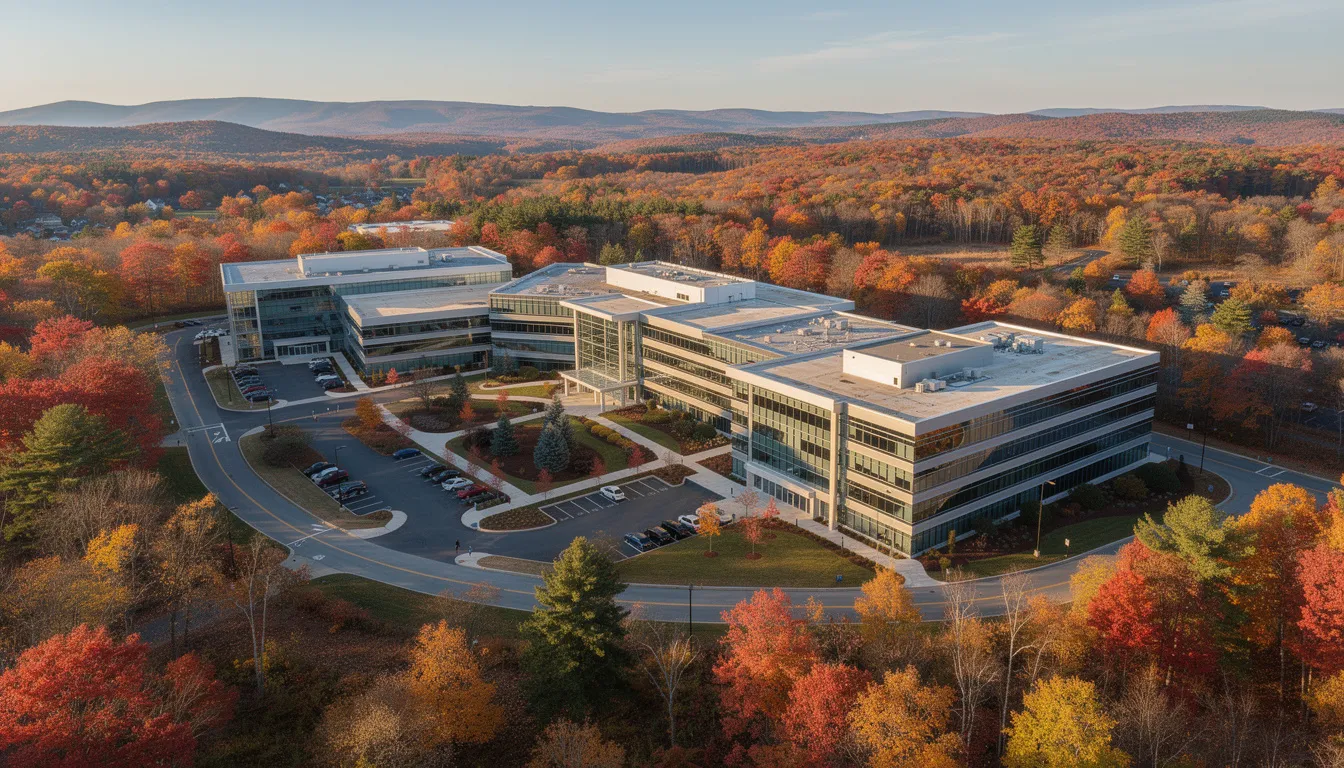
Successful video production campaigns come in many forms, each tailored to the unique goals and audiences of the business or organization. For instance, a technology company might produce a series of explainer videos to showcase new software features, using high-quality camera equipment and editing software to create polished, informative content. A non-profit could develop a documentary-style video to highlight its mission, combining interviews, on-location footage, and compelling storytelling to inspire action.
The video production process for these projects involves careful planning in pre-production, skilled execution during production, and meticulous attention to detail in post-production. By leveraging the right equipment and services, and by understanding the needs of their audience, organizations can produce videos that not only showcase their offerings but also drive engagement and results.
Examples of successful video production include product launch videos that generate buzz, testimonial videos that build trust, and event highlight reels that capture the energy of a live gathering. The key to each is a clear narrative, professional production values, and a focus on delivering quality content that resonates with viewers.
Distribution: from broadcast to OTT, web, and social
Effective video production is planned with distribution in mind from day one. Aspect ratios, run times, safe areas, and platform norms all influence creative decisions in pre-production and production.
Channel categories:
- Regional broadcast and cable: Boston DMA, New England stations, national cable networks
- OTT/CTV: Roku, Fire TV, Hulu, YouTube TV, and other streaming platforms
- Owned web properties: Company websites, landing pages, intranets
- YouTube: Long-form content, product demos, educational series
- LinkedIn, Meta, TikTok: Short-form, social-first content
- Digital signage: Retail locations, trade shows, corporate lobbies
Deliverable specifications differ by platform:
Platform | Format | Resolution | Notes |
|---|---|---|---|
Broadcast TV | ProRes/MXF | 1080i/1080p | Loudness: -24 LKFS |
OTT/CTV | H.264/H.265 | 1080p/4K | Platform-specific specs |
YouTube | H.264 | 1080p/4K | Closed captions required |
LinkedIn/Meta | H.264 | 1080p | Vertical/square variants |
Web | H.264/H.265 | 1080p | Optimized bitrate |
Compliance items:
- Closed captions (required for accessibility and recommended for all platforms)
- Audio loudness standards
- File naming conventions
- Station-specific formatting requirements for New England broadcasters
Granite River Studios handles delivery specs for clients, ensuring marketing teams can focus on strategy and measurement rather than technical compliance.
Optimizing for social and mobile consumption
Social platforms in 2024–2026 demand specific approaches. Over 70% of mobile video views are vertical (9:16), and most social feeds autoplay video with sound muted.
Format requirements:
- Vertical (9:16): TikTok, Instagram Reels, YouTube Shorts, Stories
- Square (1:1): LinkedIn feed, Facebook feed
- Horizontal (16:9): YouTube, website embeds, TV
Front-load key messaging:
The first 3–5 seconds determine whether viewers watch or scroll. Lead with the hook, not the buildup.
Platform norms:
- Muted autoplay means subtitles are essential, not optional
- Shorter attention spans require faster pacing and tighter edits
- Platform algorithms favor native content over repurposed TV spots
Plan variants in pre-production:
Cropping a 16:9 broadcast spot to 9:16 after the fact rarely works well. Composition, safe areas, and on-screen text legibility must be considered during filming. Planning vertical and square variants from the start maintains visual quality across all deliverables.
Measuring video production success
To ensure your video production efforts are delivering value, it’s essential to measure success using clear, actionable metrics. Start by defining the goals of your video content—whether it’s increasing brand awareness, driving website visits, or generating leads. Common KPIs include view count, engagement rate, click-through rate, and conversion rate, all of which provide insight into how your video is performing with your target audience.
Analyzing these metrics allows you to assess the effectiveness of your video production process and make data-driven decisions for future campaigns. Tools like platform analytics and third-party measurement services can help you track performance across channels and formats. Additionally, evaluating the overall return on investment (ROI) helps determine whether your production and post-production efforts are achieving the desired outcomes.
By continuously monitoring and optimizing your video content, you can refine your marketing strategy, improve audience engagement, and achieve greater success with every project.
Partnering with a professional video production studio
Mid-sized and large brands benefit from working with a dedicated production studio for higher-stakes projects. While in-house teams can handle certain content needs, broadcast commercials, brand anthem films, and multi-channel campaigns require specialized expertise, equipment, and coordination that ad-hoc efforts cannot reliably deliver.
How Granite River Studios typically engages:
- Discovery call: Understanding goals, audience, channels, and timeline
- Scope and budget alignment: Transparent discussion of costs, deliverables, and expectations
- Concept development: Creative brief, script, storyboard, and look development
- Production schedule: Coordinated planning for location, talent, and crew
- Ongoing content planning: Building relationships for future campaigns and content needs
Common client concerns we address:
- Budget transparency (clear line-item estimates, no surprise costs)
- Realistic timelines with built-in review cycles
- Approval workflows that accommodate multiple stakeholders
- Rights and licensing (music, talent, locations)
- Usage windows and renewals for talent and music
Regional focus:
We work on-location throughout Greater Boston, Massachusetts, and Southern New Hampshire. Familiarity with local permits, locations, and logistics means fewer surprises and smoother productions.
Planning a product launch, brand refresh, or multi-channel campaign? The right production partner makes the difference between video content that performs and footage that sits unused on a server.
At Granite River Studios, we help brands in Greater Boston and Southern New Hampshire produce video that drives results—from initial concept to final delivery across every screen and platform. Start with a conversation about your goals, and we’ll help you map the path forward.