Video has taken over. In 2025, if your advertising creative isn’t moving, your audience isn’t watching.
The numbers tell the story: CTV advertising spend has exploded from $4.5 billion in 2020 to over $30 billion projected this year. Meanwhile, static image ads see 50-70% lower engagement on video-first platforms where users scroll past anything that doesn’t grab attention in the first second. Today’s audiences are consuming content across streaming services, apps, and digital platforms, making it essential for brands to meet viewers where they are most engaged. Whether your brand lives on connected TV, YouTube, Meta, TikTok, LinkedIn, or programmatic display, video marketing is no longer a “nice to have”—it’s the baseline expectation.
Here’s the central argument: if your ads are still static, no one’s looking. Brands need video creative tailored to every channel, with CTV as the anchor that defines the story and sets the tone for everything else. CTV ads are a modern solution for reaching audiences where they are consuming content, ensuring your message is seen on the screens that matter most.
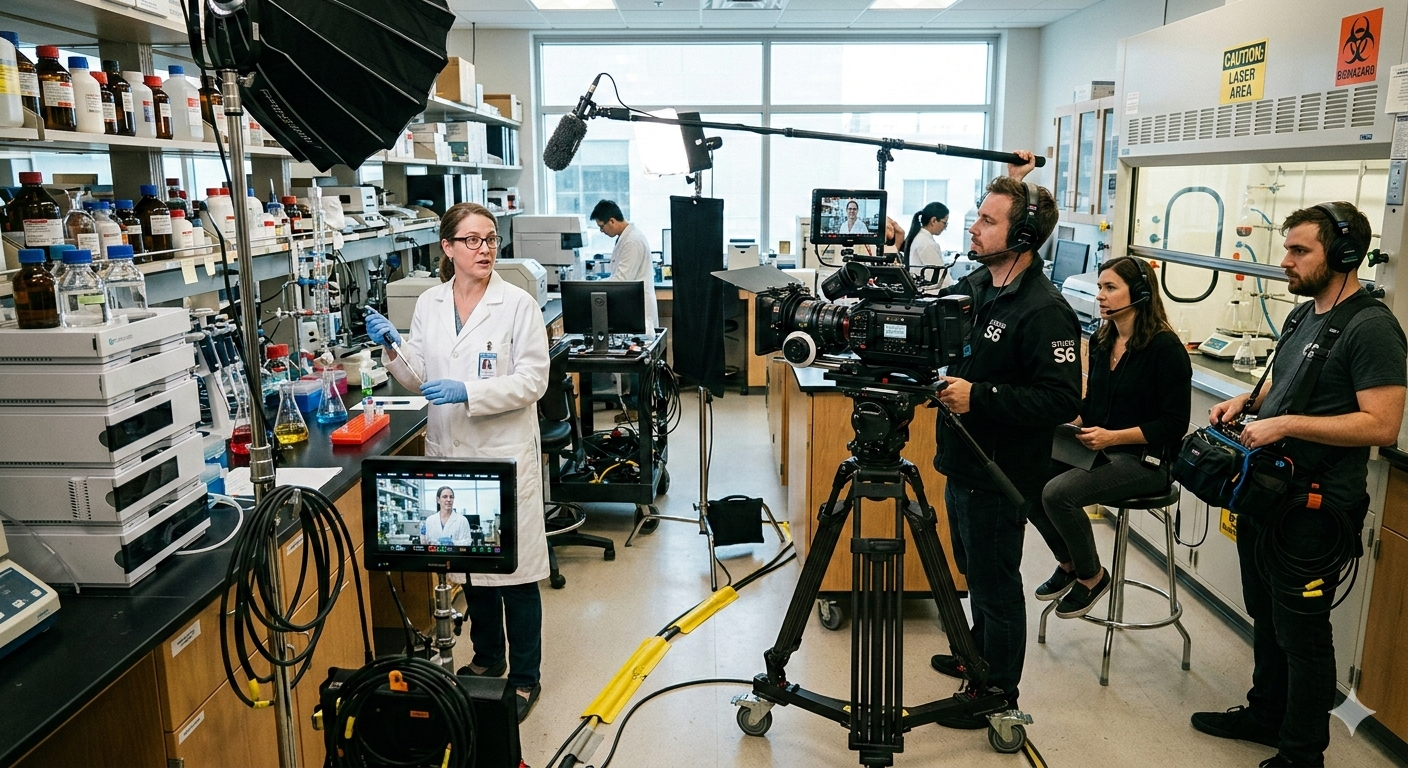
At Granite River Studios, we’re a Greater Boston-based, full-service video production studio that builds campaigns for CTV, OTT, social, and web from a single, cohesive creative strategy. We help mid-sized and large brands across Greater Boston and Southern New Hampshire produce video content that works everywhere—from the living room TV to the morning commute scroll.
Connected TV (CTV) advertising refers to video ads that are delivered via a streaming service during a viewer’s movie, TV show, or other video content and viewed on an actual TV set. In this context, advertising refers to the placement of targeted video ads within streaming and traditional TV environments, allowing brands to reach viewers directly as they consume content on smart TVs and connected devices.
This guide will walk you through how to use video marketing across connected TV and all major channels, from strategy and brand storytelling to production and distribution. You’ll learn how to think about CTV as your hero screen, adapt creative for social and programmatic, and measure what actually matters.
Key takeaways: Video outperforms static by 2-3x on social and 5x on YouTube CTV. CTV is the anchor screen that shapes your brand story. One well-planned shoot can yield dozens of assets across channels. Strategy, not just production, determines whether video drives results.
What is CTV in the Larger Video Marketing Ecosystem?
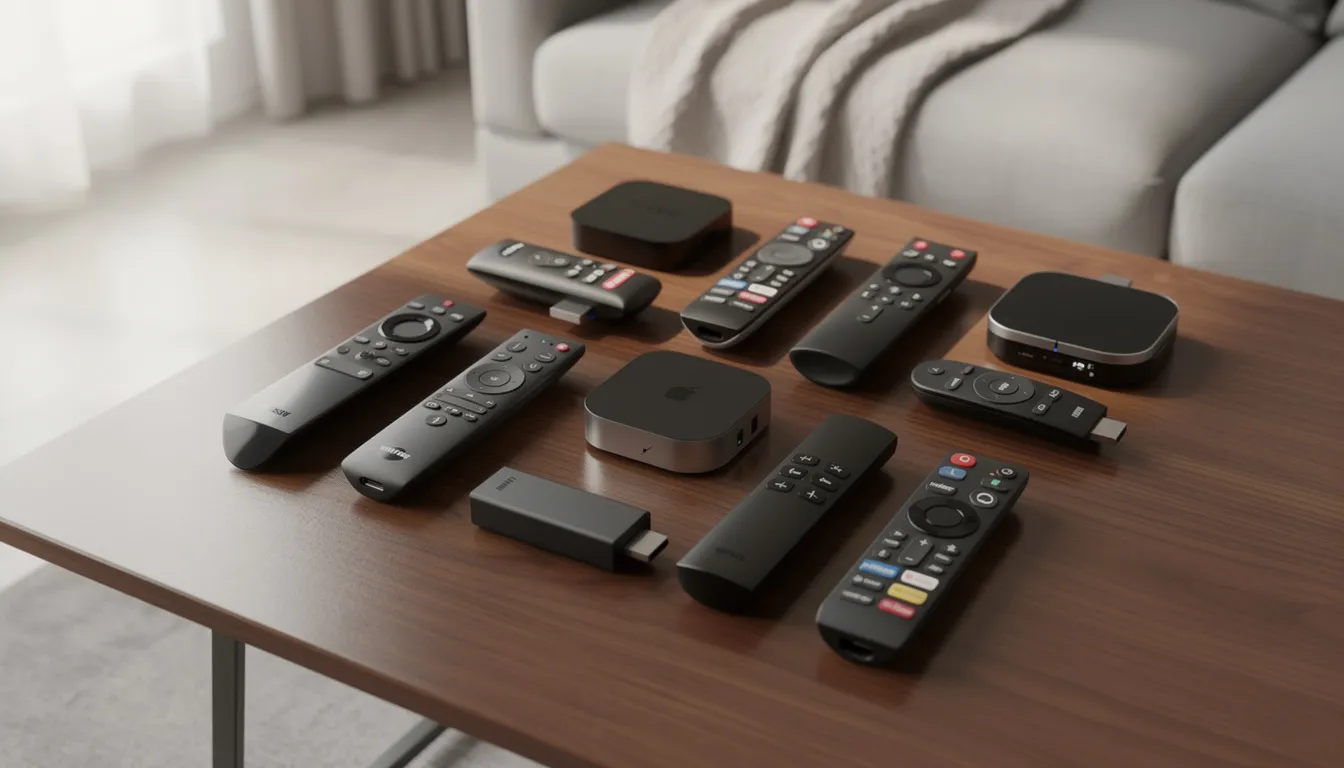
Connected TV refers to streaming video ads delivered on internet-connected televisions and devices—Roku, Apple TV, Amazon Fire TV, gaming consoles, and smart TVs—during content on platforms like Hulu, Peacock, Disney+, Tubi, and Pluto TV.
CTV is distinct from linear TV, which relies on fixed schedules and broad demographic buys. It’s also different from OTT (Over-The-Top), which specifically refers to streaming apps accessed directly over the internet. And while YouTube and social video share some characteristics with CTV, they operate in different viewing environments with different user behaviors. Compared to other platforms, CTV offers a more immersive viewing environment and higher audience engagement, making it a unique channel within the digital marketing mix.
Understanding where CTV fits in the ecosystem helps you plan creative that works across every screen:
-
U.S. streaming households surpassed 100 million by 2023, with CTV adoption continuing to climb through 2026
-
Viewing time on streaming TV now rivals or exceeds traditional cable in most demographics
-
Connected television enables household-level targeting that linear TV simply can’t match
-
Streaming devices like Roku and Amazon Fire TV dominate the installed base, alongside built-in smart TV apps
-
CTV content runs across both premium ad-supported tiers (Hulu, Peacock) and free ad-supported streaming TV (FAST) channels like Tubi and Pluto
-
Television screens in the living room remain the most impactful environment for brand storytelling, but they’re now addressable like digital channels. CTV is a premium environment that demands high-quality visual and audio production due to larger screen sizes.
-
CTV audience demographics: CTV viewers tend to be younger, more educated, and have higher household incomes compared to traditional TV audiences.
At Granite River Studios, we treat CTV not as a silo, but as the “hero screen” from which we adapt creative to social, YouTube, and display video. The story you tell on the big screen sets the tone for every other touchpoint.
The Evolution from Static Ads to Full-Funnel Video
The shift from static print and display to video-first advertising happened faster than most marketers expected.
Between 2015 and 2025, several forces converged: mobile video consumption exploded, social platforms prioritized video in their algorithms, and streaming services opened premium television inventory to digital-style targeting and measurement. The COVID-19 pandemic accelerated everything—linear TV viewership dropped 20-30% annually while CTV watching TV habits grew.
Static banner and image ads are now largely ignored. Eye-tracking studies consistently show that users skip past non-motion content. Video ads boost click-through rates by 2-3x on social platforms and up to 5x on YouTube CTV placements. Digital advertising has become synonymous with video advertising.
Here’s how the evolution played out:
-
2015-2018: Mobile video takes off; Facebook and Instagram prioritize video in feeds
-
2018-2020: CTV advertising borrows digital’s targeting precision and measurement capabilities; advertisers begin testing streaming audiences
-
2020-2022: Pandemic accelerates cord-cutting; CTV ad spend doubles
-
2023-2025: Full-funnel video becomes standard; brands run coordinated campaigns across CTV, social, YouTube, and programmatic
This brings us to the concept of full-funnel video: awareness (CTV, YouTube), consideration (social feeds, mid-length explainers), and conversion (remarketing video, short social clips, product demos, testimonial cuts). Each stage requires different creative approaches, but they all stem from the same brand story.
Granite River Studios plans campaigns across this full funnel—developing a master story and then cutting it into formats for every channel. The result is brand consistency across television advertising and digital channels alike.
Why CTV is the Anchor for Modern Video Marketing
CTV offers a combination of advantages that no other channel can match.
The viewing environment matters. Watching TV on a large screen in a lean-back setting creates a different psychological state than scrolling through a feed on mobile devices. Viewers are more attentive, more receptive, and more likely to watch an ad to completion. High video completion rates on CTV—often 85-90%—dwarf what you see on skippable social placements.
CTV is where you establish your brand story in its most complete form. The 30-second spot you run on Hulu or Peacock becomes the “hero content” that defines your messaging. From there, you repurpose into 15-second cutdowns, 6-second bumpers, and social edits that carry the same DNA.
Targeting has evolved dramatically. CTV advertising works through household-level precision—you can reach specific audiences based on geography (down to ZIP codes), demographics, viewing habits, and first-party data integration. For New England brands, this means targeting prospective customers within a 25-mile radius of your location, or suppressing existing customers to avoid wasted impressions.
Attribution connects CTV performance directly to business outcomes. Media buyers can now track website visits, store visits, foot traffic, and conversions driven by CTV campaigns. This precision and measurement capabilities make CTV accountable in ways that traditional TV advertising never was.
The ad spend numbers tell the story: CTV is projected to capture an increasingly dominant share of total video advertising through 2028 as linear TV decline continues. Brands from regional healthcare systems to universities to B2B companies are shifting budgets accordingly.
Key Advantages of CTV vs Linear and Social Video
-
Precise targeting: Reach specific audiences at the household level based on demographics, geography, income, and behavioral signals—eliminating the broader targeting waste of linear TV
-
Geographic precision: Target by ZIP code, DMA, or radius—critical for regional businesses in Greater Boston and Southern New Hampshire
-
High video completion rates: CTV viewers skip at 10-15% compared to 30%+ on mobile social, meaning more completed views of your message
-
Integrated measurement: Track brand lift, site visits, and conversions with attribution windows from 1-30 days
-
Real time optimization: Adjust targeting, frequency, and creative mid-campaign based on performance data
-
Premium viewing environment: Large-screen, sound-on, lean-back attention creates deeper brand impact than scroll-by social impressions
-
Cross-platform insights: Messages that perform well on CTV often become winning angles for Meta, LinkedIn, and YouTube campaigns
Designing a Video Marketing Strategy for Any Channel (with CTV at the Core)
A successful multi-channel video strategy starts with clarity about what you’re trying to achieve—not with platform selection or production. Developing a strong CTV advertising strategy is essential, as it ensures your video marketing efforts are optimized for connected TV and other channels, maximizing reach and impact.
Here’s a framework for building campaigns that work across connected TV CTV, social, YouTube, and programmatic:
-
Clarify business goals: Are you driving awareness, consideration, or conversion? The answer shapes everything from channel mix to ad length to storytelling style
-
Define audience segments: Build detailed profiles of who you’re reaching—demographics, geography, behaviors, and where they consume content
-
Map the funnel: Identify which channels serve which stage—CTV and YouTube for reach, social for engagement, remarketing video for action
-
Choose your channel mix: For most mid-sized brands in 2025, this means CTV + YouTube for top-of-funnel, Meta/TikTok/LinkedIn for mid-funnel, and Google video plus programmatic for bottom-funnel remarketing
-
Design creative with channel context: Plan from the start how your master story will adapt to each platform’s format and viewing behavior
-
Plan measurement: Define KPIs per channel and build attribution models that connect video exposure to business outcomes
Building a successful connected TV advertising strategy requires balancing multiple elements: clear objectives, smart targeting, compelling creative, strategic budget allocation, and integrated measurement.
At Granite River Studios, we workshop strategy with clients across Greater Boston and Southern New Hampshire before scripting a single frame. This upfront investment ensures every dollar spent on production delivers assets that work across your full channel mix. Launching your first CTV advertising campaign requires careful planning and clear objectives.
Aligning CTV and Multi-Channel Goals with Business Outcomes
Translating business goals into video goals per channel requires specificity:
-
Awareness goal (e.g., “increase unaided brand recall by 20%”): Prioritize CTV and YouTube for reach; measure impressions, frequency, and brand lift studies
-
Consideration goal (e.g., “drive 50% more qualified demo requests”): Layer social video for engagement and lead capture; measure view-through rate, cost per view, and form fills
-
Conversion goal (e.g., “reduce CPA by 25%”): Deploy remarketing video with explicit CTAs; measure cost per acquisition and ROAS
-
Local market goal (e.g., “increase store visits in specific ZIP codes”): Use CTV’s geographic targeting; measure foot traffic attribution and visit lift
-
B2B pipeline goal (e.g., “generate 100 MQLs from target accounts”): Focus LinkedIn video and YouTube pre-roll; measure engagement rate and lead quality scores
Budget allocation follows strategy. CTV CPMs run higher than social ($20-50 vs $5-15), but the impact per impression is often greater. Many advertisers find a 40-60% split between CTV and other digital channels delivers optimal results for campaigns balancing brand building and performance.
From Brand Story to Scripts: Getting the Message Right for Every Screen
Strong brand storytelling is the foundation for effective video on CTV, OTT, social, and web. Viewers need a clear sense of who you are in under 5 seconds—regardless of platform.
The challenge is that each channel has different creative requirements. A 30-second CTV spot needs polish and production value. A TikTok video needs to feel native and immediate. A LinkedIn video needs clarity and professional credibility. Yet all of them should feel unmistakably like the same brand.
Granite River Studios’ approach starts with brand discovery—understanding your positioning, voice, and message hierarchy before writing a word of script. From there, we develop a master script designed for modular adaptation:
-
30-second CTV spots: Full narrative arc with clear setup, value proposition, and call to action
-
15-second social cuts: Single focused message with visual hook in the first frame
-
6-second bumpers: Brand reminder with logo and tagline reinforcement
-
60-90 second anthem pieces: Deeper storytelling for website, sales meetings, and high-consideration contexts
Each version considers channel context. CTV allows for QR codes that viewers can scan on mobile while watching TV. TikTok needs thumb-stopping hooks and captions for sound-off viewing. LinkedIn requires authority and clarity for professional audiences.
The most efficient campaigns start with a master script that can be modularized into different versions, rather than writing from scratch for every placement.
Key Video Formats: TV Ads, Brand Anthems, Product Launches, and Testimonials
-
TV commercials (15s, 30s): Core brand messaging for CTV, streaming TV, and linear TV advertising placements; designed for high-frequency exposure and brand building
-
Brand anthem films (60-90s): Emotional storytelling that defines who you are; runs on website, at events, in sales presentations, and as extended cuts on YouTube
-
Product launch videos: Feature-focused content for website landing pages, remarketing campaigns, and trade show displays; emphasizes benefits and differentiation
-
Testimonial and case study videos: Third-party credibility from real customers; powerful for consideration-stage remarketing and LinkedIn B2B campaigns
-
Social cutdowns (5-15s): Derived from longer formats; optimized for vertical, square, and horizontal aspect ratios across Meta, TikTok, LinkedIn, and YouTube
Each format can be edited into multiple aspect ratios (16:9, 9:16, 1:1) for placement across streaming content platforms and social feeds. Planning for this during pre-production—not as an afterthought—saves significant time and budget.
Production That Scales Across CTV, OTT, Social, and Web
A single well-planned shoot can yield dozens of assets across channels. The key is designing production with multi-channel delivery in mind from day one.
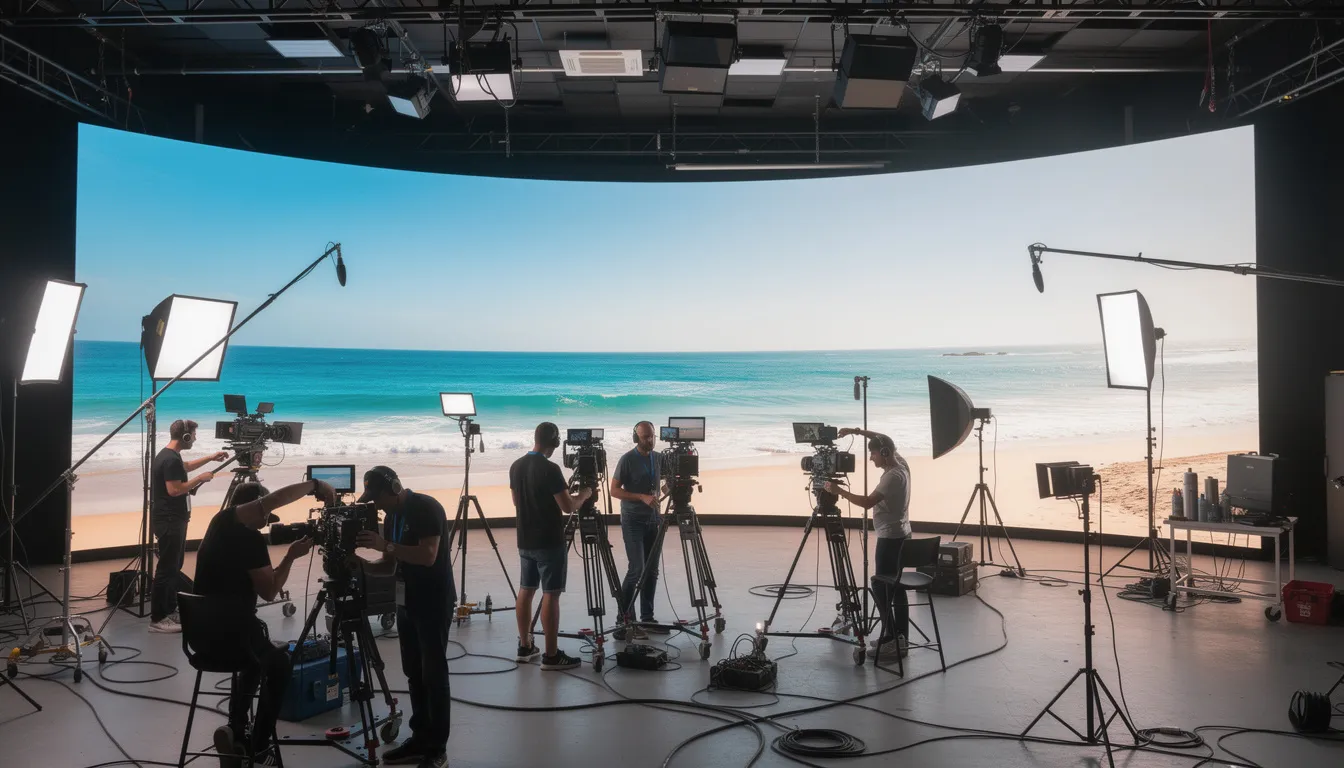
Granite River Studios offers full-service capabilities built for this approach: creative direction, scripting, on-location and studio shoots, multi-cam setups, drone videography, motion graphics, animation, and postproduction. Every project is planned to maximize asset output.
Here’s how production scales:
-
Hero CTV spot: The flagship 30-second piece that establishes brand story and visual language
-
CTV cutdowns: 15-second and 6-second versions for frequency and different placement options
-
Social teasers: Vertical and square edits optimized for Meta, TikTok, and LinkedIn feeds
-
Behind-the-scenes content: Authentic footage captured during production for social engagement
-
Programmatic video ads: Shorter, direct-response versions with explicit CTAs for remarketing
-
Web and landing page video: Longer-form content for product pages and conversion-focused contexts
Each channel has different technical specs—resolution, aspect ratio, duration, safe areas for graphics. Planning for these variations during pre-production prevents expensive post-shoot surprises.
Drone work deserves special mention. Dynamic establishing shots—the Greater Boston skyline, the New Hampshire coastline, facility aerials—play beautifully on big CTV screens and work equally well as attention-grabbing social hooks. We capture these during every applicable shoot.

Postproduction, Motion Graphics, and Animation for Every Channel
-
Editing and pacing: Cutting footage into versions optimized for each platform’s viewing patterns—slower builds for CTV, rapid cuts for TikTok
-
Color grading: Consistent visual identity across all versions, ensuring brand recognition whether the video appears on a living-room TV or vertical mobile feed
-
Sound design: Full audio treatment for CTV; music and effects that work without dialogue for sound-off social viewing
-
Motion graphics: Animated lower thirds, text overlays, and logo treatments that reinforce brand consistency across formats
-
Animation: Explainer content, product feature visualization, and data storytelling—particularly valuable for B2B brands and complex services
-
Channel-specific versioning: Different end cards, CTAs, aspect ratios, and time lengths for CTV vs Meta vs LinkedIn vs Google Ads
Postproduction is where the multi-channel strategy comes to life. Raw footage becomes polished creative that maintains brand consistency whether a ctv viewer sees it on streaming services or a prospect encounters it in a LinkedIn feed.
Channel-by-Channel: How to Adapt Your Video for CTV, Social, and Programmatic
Every platform has its own “language”—same brand story, different execution and framing depending on whether it’s connected TV, Meta, TikTok, LinkedIn, YouTube, or programmatic display.
Understanding these nuances means your creative works harder in each environment rather than feeling like a forced fit. Here’s how to adapt one unified creative concept to each major channel.
CTV and OTT Placements
CTV placements are generally full-screen, often non-skippable, with audio on and ctv viewers sitting back rather than scrolling. This creates optimal conditions for brand storytelling—but also raises the stakes for creative quality.
Best practices for streaming audiences:
-
Immediate visual hook: Open with movement and visual interest that commands attention from frame one
-
Branding within 3 seconds: Logo presence early ensures brand registration even if attention wavers
-
Clear single-minded message: One primary takeaway per spot; don’t try to cram multiple messages into 30 seconds
-
Strong but unobtrusive CTA: QR codes work well for second-screen conversions; vanity URLs and “search for us” prompts drive measurable action. QR codes in CTV ads can drive immediate website traffic or app downloads.
-
Interactive elements: Incorporate interactive elements such as shoppable overlays and QR codes to bridge the gap between passive viewing and active engagement on mobile devices, increasing viewer engagement and improving conversion tracking.
-
Frequency planning: 7-10 exposures typically needed before viewers take action; use 6-second bumpers to build frequency cost-effectively
Common lengths are 15 and 30 seconds, with 6-second bumpers serving as frequency builders and reminders. Premium platforms like Hulu favor higher-production creative, while FAST channels like Pluto TV can accommodate quicker, more direct-response styles.
Regional examples abound: healthcare systems using CTV to reach households within specific service areas, universities targeting prospective students and parents during enrollment seasons, and B2B companies building awareness among decision-makers consuming streaming content in the evening. CTV advertising also allows for hyper-local targeting based on viewers’ IP addresses, enabling brands to serve ads to specific geographic areas more effectively than linear TV.
Social Video (Meta, TikTok, LinkedIn)
Social video operates in a fundamentally different viewing environment than CTV. Vertical or square formats dominate. Sound is often off by default. Users scroll rapidly, and your creative has milliseconds to earn attention.
Meta (Facebook/Instagram): Broad consumer reach and powerful remarketing capabilities. Reels format demands native-feeling, fast-paced creative. Feed video can be slightly more polished. Captions are essential for sound-off viewing.
TikTok: Authenticity trumps production polish. Content should feel native to the platform—quick cuts, trending formats, personality-driven. Brands that try to force TV-style creative onto TikTok typically underperform.
LinkedIn: B2B storytelling, thought leadership, and employer branding. Professional tone, clear value propositions, and credibility markers matter. Ideal for testimonial bites, expert insights, and company culture content.
The strategy is to take your core CTV story and build platform-native variations: behind-the-scenes clips, shorter callout edits, testimonial bites (5-15 seconds), and trend-responsive content that connects to your brand message.
At Granite River Studios, we plan edits for these channels during pre-production—not as an afterthought. This ensures every shoot captures the footage needed for social-first creative alongside CTV hero content.

YouTube and Google Ads Video
YouTube occupies unique territory as a bridge between TV and social. Viewers may watch on television screens via YouTube TV and Roku apps, or on mobile devices during the commute. Intent signals from search behavior and watch history make YouTube targeting particularly powerful.
Key formats and considerations:
-
TrueView (skippable): Viewers can skip after 5 seconds, so your hook and brand must land before the skip button appears. Front-load impact.
-
Non-skippable (15s): Full attention for your complete message; treat like a tight CTV spot
-
YouTube Shorts: Vertical format competing with TikTok and Reels; requires native-feeling creative
-
Programmatic extension: Google’s ecosystem extends video ads beyond YouTube into publisher sites and apps through Display & Video 360
CTV assets often translate well to YouTube with slight pacing adjustments. The viewing pattern is similar enough that the same story structure works, but YouTube’s skippable format demands faster brand identification.
Programmatic and Remarketing Video
Remarketing video is where you speak to high intent audiences—people who have visited your website, watched a CTV spot, or engaged with your brand elsewhere. These warm audiences respond to different creative than cold prospects.
Best practices for remarketing:
-
Tighter, benefit-focused messaging: Skip the brand introduction; go straight to value and action
-
Explicit calls to action: Book a demo, schedule a visit, download a guide, claim an offer
-
Shorter durations: 6-15 seconds is often optimal; don’t waste time re-establishing what they already know
-
Sequence strategically: Use programmatic platforms to serve different messages based on previous exposure (e.g., CTV for story, short follow-up spots for action)
Programmatic platforms can sequence messaging across CTV and online video, creating cohesive journeys that move viewers from awareness to conversion. Remarketing videos often achieve 20-40% lower CPMs when retargeting CTV-exposed users via household ID matching.
Granite River Studios works with client media teams or agencies to ensure creative is built specifically for these remarketing placements—not just recycled TV edits with trimmed endings.
Targeting, Data, and Measurement Across Channels
Targeting works differently across CTV, social, YouTube, and programmatic—but the goal is the same: reaching the right audience with the right message at the right time.
CTV operates at the household level, using IP addresses and device graphs to identify viewers. Social platforms target at the individual user level based on declared and inferred data. YouTube combines watch history with search intent. Programmatic can leverage all of the above plus third party data and contextual signals.
The smartest approach is building one unified audience strategy, then expressing it differently per platform:
-
Geography: Precise targeting for Greater Boston and Southern New Hampshire businesses—ZIP codes, DMAs, or radius targeting around locations
-
Demographics: Age, income, household composition, and life stage
-
Behavioral signals: Viewing habits, purchase intent, in-market indicators
-
B2B targeting: Job titles, company size, industry (particularly powerful on LinkedIn)
-
First party data: CRM lists, website visitors, and customer lookalikes
Remember that the same viewer might encounter your campaign on CTV at night, LinkedIn at work, TikTok on the commute, and a remarketing video the next day. Coherent messaging ensures these touches add up rather than feeling disconnected.
Cross-device targeting extends reach: retarget CTV viewers on mobile and desktop via IP matching, or sequence mobile video to CTV for cohesive journeys across television screens.
Key Metrics and What They Tell You
CTV metrics:
-
Impressions and reach: How many viewers saw your message
-
Frequency: How many times each household was exposed
-
Video completion rate: Percentage watching to the end (high video completion rates are a CTV advantage)
-
Site/store visit attribution: Direct connection between exposure and action
-
Brand lift: Survey-based measurement of awareness and consideration shifts
Social and YouTube metrics:
-
View-through rate: Percentage completing the video
-
3-second views: Initial attention capture
-
50%/75% completions: Mid-funnel engagement signals
-
Clicks and cost per result: Direct response indicators
-
Engagement rate: Likes, comments, shares
Connecting signals into a funnel:
-
CTV and YouTube drive top-funnel reach and awareness
-
Social engagement metrics indicate consideration-stage interest
-
Remarketing video conversions complete the journey
Granite River Studios collaborates with clients and agencies to interpret these numbers and refine creative. When completion rates or click-through drops, we revise hooks, CTAs, or pacing to improve performance. Measuring success requires connecting creative decisions to performance data.
Budget Considerations for Digital Advertising
When planning your digital advertising strategy, allocating budget across channels is a critical decision—especially as connected TV advertising becomes a cornerstone of modern campaigns. CTV advertising offers several advantages, including precision targeting, high video completion rates, and advanced measurement capabilities that traditional TV advertising can’t match. However, these benefits come with unique budget considerations.
Advertisers should evaluate their total ad spend and determine what portion to dedicate to connected TV. While CTV CPMs are typically higher than those for social or display ads, the targeting precision and measurable performance often justify the investment. By allocating a significant share of your digital advertising budget to CTV, you can ensure your campaigns reach the right audience with minimal wasted impressions and maximum impact.
It’s also important to factor in the costs of creative production tailored for CTV, as high-quality video content is essential for capturing attention on the big screen. By strategically balancing your ad spend across CTV and other digital channels, and leveraging the precision and measurement capabilities of connected TV, you can drive stronger ROI and achieve your marketing objectives.
CTV Ad Platforms
Choosing the right CTV ad platform is essential for reaching your target audience across streaming services, smart TVs, and other connected devices. CTV ad platforms are purpose-built to connect advertisers with premium inventory on platforms like Hulu, YouTube TV, Amazon Fire TV, and more, making it possible to deliver your message directly to viewers consuming streaming content on their television screens.
Optimizing CTV Ad Campaigns
To get the most out of your connected TV advertising, ongoing optimization is key. CTV campaigns offer real time optimization capabilities that allow advertisers to adjust targeting, creative, and budget allocation while campaigns are live—ensuring you’re always reaching the right audience with the right message.
Start by leveraging data and analytics to inform your targeting strategies. Use performance data to identify which audience segments are most responsive, and refine your targeting accordingly. Creative optimization is equally important: A/B test different versions of your video ads, rotate creative assets, and analyze which messages drive the highest engagement and video completion rates.
Real time optimization also means monitoring campaign performance daily and making adjustments as needed—whether that’s shifting budget to top-performing placements, tweaking frequency caps, or updating calls to action. By continuously optimizing your CTV ad campaigns, you can maximize the impact of your tv advertising and ensure every dollar spent is driving measurable business outcomes.
Best Practices for CTV Advertising
To fully capitalize on the power of CTV advertising, advertisers should follow a set of proven best practices that drive results across connected tv and digital channels.
-
Prioritize precision targeting: Use a combination of first-party and third-party data to reach specific audience segments most likely to engage with your brand. This minimizes wasted impressions and ensures your message lands with the right viewers.
-
Develop high-quality creative: Invest in video content that is visually compelling and tailored for the connected tv environment. Strong storytelling and clear branding are essential for capturing attention and driving engagement.
-
Leverage measurement capabilities: Take advantage of advanced analytics to track campaign performance, from video completion rates to brand lift and conversions. Use these insights to make data-driven decisions and refine your strategy.
-
Stay current with trends: The CTV landscape evolves rapidly. Keep up with new ad formats, targeting options, and platform updates to maintain a competitive edge.
By following these best practices, advertisers can ensure their CTV campaigns are optimized for success, reaching their target audience with precision and delivering measurable results for their brand.
Common Mistakes in CTV Advertising
While CTV advertising offers significant advantages, there are common pitfalls that can undermine campaign effectiveness. One frequent mistake is neglecting precision targeting—casting too wide a net can lead to wasted impressions and diminished ROI. Advertisers should always leverage the full targeting capabilities of connected tv to ensure their ads reach the most relevant audience.
Another misstep is failing to utilize measurement capabilities. Without tracking key metrics and analyzing performance data, advertisers miss opportunities to optimize campaigns and maximize impact. It’s also important to avoid repurposing ad creative that isn’t designed for the CTV environment; content that works on social or display may not engage viewers on the big screen.
By being mindful of these common mistakes—overlooking precision targeting, underutilizing measurement capabilities, and using non-optimized creative—advertisers can avoid wasted impressions and ensure their CTV advertising delivers the results their brand deserves.
Putting It All Together: A Sample Cross-Channel Video Campaign
Here’s how a coordinated campaign might work in practice.
Scenario: A regional tech company in Boston is launching a new B2B product in Q3 2025. Their goal is to generate awareness among target decision-makers and drive demo requests.
The hero story: A 30-second CTV spot that establishes the problem, introduces the solution, and positions the brand as the trusted choice. Clean production, confident messaging, clear CTA to visit the website.
Campaign deliverables from one strategic production:
-
30-second CTV spot for streaming services (Hulu, Peacock, YouTube TV)
-
15-second CTV cutdown for frequency and specific audiences
-
6-second bumper for high-frequency reminder placements
-
16:9 YouTube pre-roll (skippable and non-skippable versions)
-
Vertical Meta/Instagram Reels edit (15 seconds, captions, thumb-stopping hook)
-
Square LinkedIn video (30 seconds, professional tone, deeper insights into product value)
-
10-second remarketing video with explicit “Book a Demo” CTA
-
60-second website video for product landing page
Timeline:
-
Weeks 1-3: Strategy workshop, audience definition, message development, scriptwriting
-
Weeks 4-5: Production (one shoot day captures footage for all assets)
-
Weeks 6-7: Postproduction, motion graphics, versioning for all channels
-
Weeks 8-10: Staggered launch—CTV and YouTube first for awareness, social for engagement, remarketing activated once site traffic builds
Measurement approach: CTV campaigns tracked for reach, frequency, and site visit lift. Social measured for engagement and cost per lead. Remarketing evaluated on cost per demo request. Full funnel strategy connects awareness investment to pipeline outcomes.
This coordinated approach—one story, many executions—delivers measurable performance while maintaining brand consistency across every touchpoint.
How Granite River Studios Can Help You Own Every Screen
Video marketing across CTV and every digital channel isn’t optional in 2025—it’s how brands compete for attention, build consideration, and drive action.
Granite River Studios is a full-service video partner for brands and organizations across Greater Boston and Southern New Hampshire. We specialize in campaigns that work across CTV, OTT, social, YouTube, and programmatic from a single cohesive strategy.
What we bring to your campaigns:
-
Brand storytelling that translates across screens and channels
-
Scriptwriting and message development for any runtime
-
Full production capabilities: studio and on-location, multi-cam, drone videography
-
Motion graphics and animation for complex ideas and B2B contexts
-
Postproduction that delivers versions for every channel spec
-
Strategic planning that connects creative to business outcomes
We plan from the outset for CTV, OTT, social, Google Ads, and programmatic placements. Nothing is an afterthought. Every deliverable fits its channel while reinforcing the same brand story.
Ready to build a video strategy that works everywhere your audience watches? Schedule a strategy conversation or pre-production workshop for your 2025-2026 campaigns. Let’s create video content that earns attention on every screen.
The Role of Linear TV in CTV Advertising
While the advertising world is rapidly shifting toward connected TV (CTV) and digital-first strategies, linear TV advertising still commands a significant presence in the media mix. Traditional linear TV advertising excels at delivering broad reach and high viewership, making it a powerful tool for building brand awareness and driving upper-funnel marketing objectives. For many advertisers, especially those targeting mass-market audiences, linear TV remains a reliable way to get in front of millions of viewers during live events, primetime shows, and local news.
However, linear TV advertising comes with limitations—most notably, its lack of precision targeting and limited measurement capabilities compared to connected TV. Linear TV buys are typically based on broad demographic segments and scheduled programming, which can lead to wasted impressions and less efficient ad spend. In contrast, CTV advertising empowers advertisers with precise targeting, allowing them to reach specific audience segments based on geography, demographics, and viewing habits, all while providing real-time performance data.
The most effective modern campaigns leverage both channels in a hybrid approach. By combining the broad reach of linear TV with the targeting precision and accountability of connected TV CTV, advertisers can maximize their ad spend and ensure their message resonates with the right audience at every stage of the funnel. Linear TV can drive mass awareness, while CTV advertising delivers measurable performance and deeper engagement with high-value viewers. This integrated strategy allows brands to harness the strengths of both tv advertising formats, creating a seamless experience that meets audiences wherever they’re watching TV.
Getting Started with Connected TV Advertising
Launching your first connected TV (CTV) advertising campaign can seem daunting, but a strategic approach ensures you get the most from your investment. Start by clearly defining your campaign objectives—whether you’re aiming for brand awareness, lead generation, or direct sales, your goals will shape every aspect of your CTV advertising strategy.
Next, identify your target audience by leveraging both first party data (such as CRM lists and website visitors) and third party data sources to build detailed audience segments. Understanding your audience’s viewing habits—what streaming services they use, what content they watch, and when they’re most engaged—will help you tailor your video content and targeting for maximum impact.
Selecting the right connected TV advertising platform is crucial. Options include direct-to-platform buying (such as Hulu or YouTube TV), programmatic buying through demand-side platforms, or partnering with a CTV advertising specialist who can guide you through the process. Each approach offers different advantages in terms of inventory access, targeting options, and reporting.
High-quality, engaging video content is essential for capturing attention on connected tv ctv. Invest in creative that resonates with your target audience and is optimized for the CTV environment—think strong visuals, clear messaging, and a compelling call to action.
Finally, prioritize ongoing optimization and measurement. Use performance data to refine your targeting, creative, and budget allocation in real time. Monitor key metrics such as video completion rates, reach, and conversions to ensure your CTV campaigns are delivering results. By following these steps, advertisers can confidently enter the world of CTV advertising and drive meaningful outcomes for their brand.
The Future of CTV
The future of connected TV (CTV) advertising is bright, with rapid innovation and expanding opportunities on the horizon. As streaming services continue to grow and more households adopt connected tv ctv devices, advertisers will have unprecedented access to engaged audiences across a wide array of platforms and television screens.
One of the most exciting trends is the integration of artificial intelligence (AI) and machine learning (ML) into CTV advertising. These technologies enable advertisers to optimize ad spend, enhance targeting precision, and improve measurement capabilities by analyzing vast amounts of performance data in real time. AI-driven insights will allow for smarter audience segmentation, more effective creative testing, and automated campaign adjustments that maximize ROI.
Interactive elements are also set to transform the CTV landscape. Features like QR codes embedded in ctv ads make it easy for viewers to engage with brands instantly—scanning a code with a mobile device can drive website visits, app downloads, or even direct purchases. As interactive CTV ads become more prevalent, advertisers will be able to create richer, more measurable experiences that bridge the gap between passive viewing and active engagement.
Looking ahead, the expansion of streaming services and the proliferation of new connected devices will further increase the reach and effectiveness of CTV advertising. Advertisers who stay ahead of these trends—embracing new technologies, experimenting with interactive formats, and continually refining their targeting strategies—will be best positioned to capture attention and drive results in the evolving world of tv advertising.
As the CTV ecosystem matures, brands that invest in innovation and agility will not only reach their target audience more effectively but also set the standard for what’s possible in digital advertising. The future of CTV is dynamic, data-driven, and full of opportunity for those ready to lead.