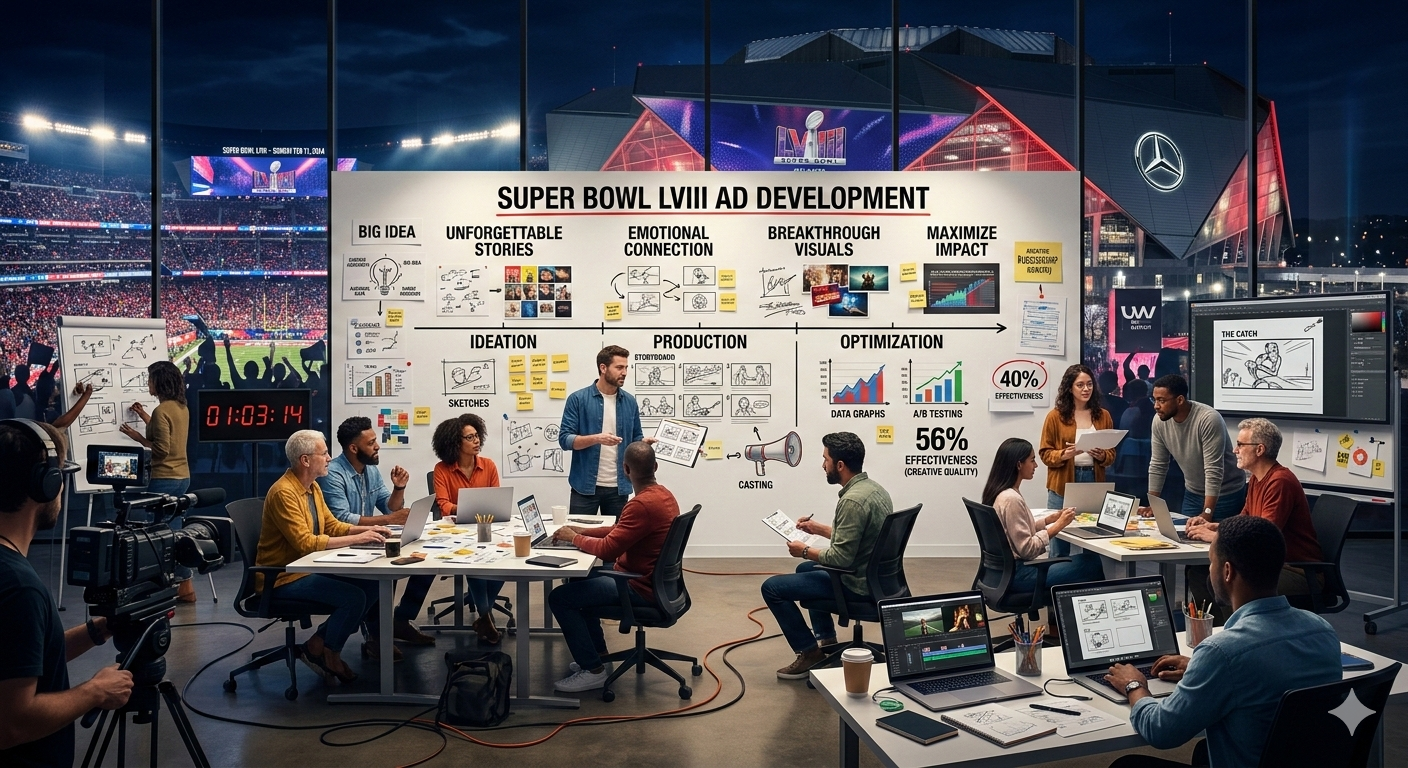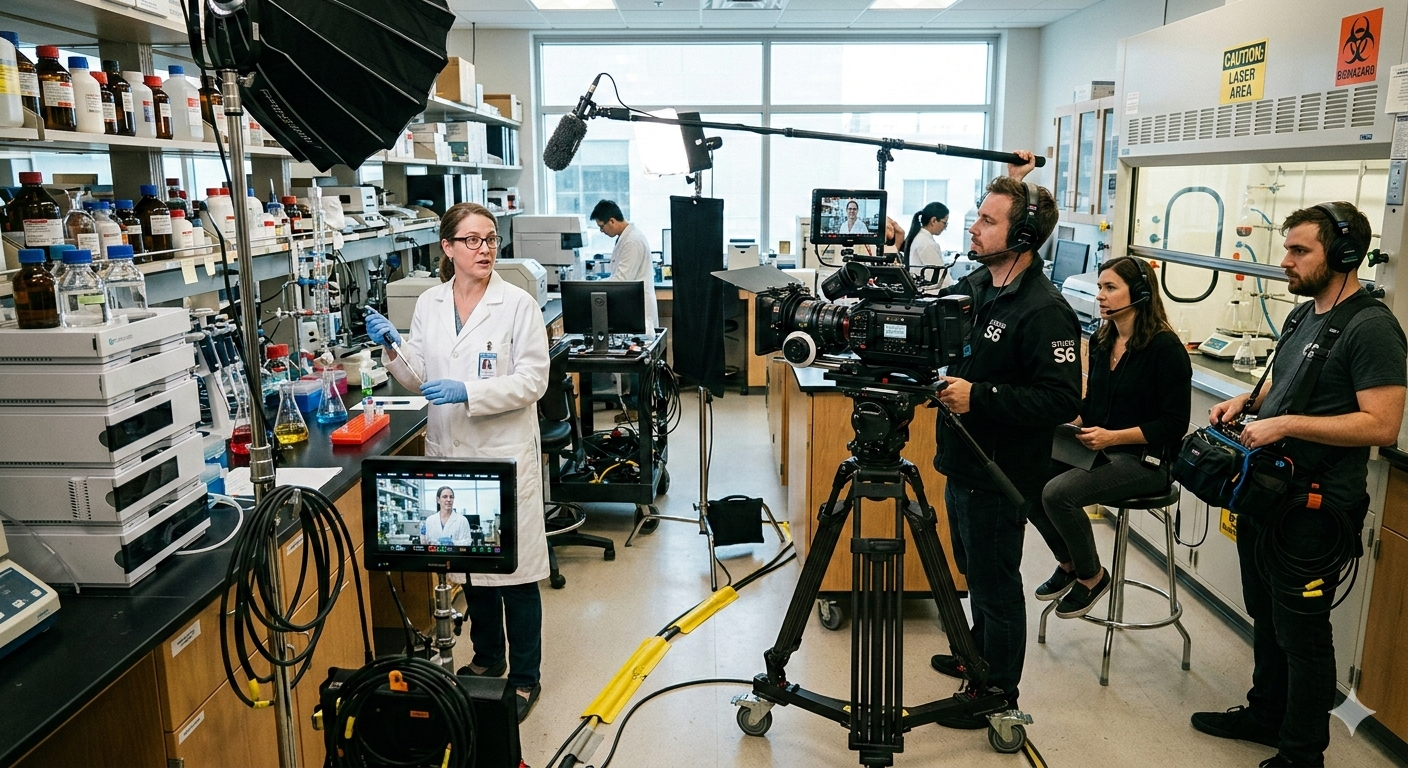

Choosing a video production partner directly affects how your brand is perceived, how your campaigns perform, and whether your content strategy delivers measurable results. Not all video production agencies are created equal—quality, expertise, and standards can vary widely, making it essential to choose a reputable provider. A rushed decision here leads to costly mistakes—missed deadlines, off-brand messaging, and videos that look fine but drive zero conversions.
In 2025-2026, demand for OTT/CTV content has surged alongside short-form social videos and B2B brand storytelling. Mid-sized brands now need production teams that can deliver broadcast-quality outputs optimized for YouTube, LinkedIn, Instagram, and connected TV—all while tying production to business outcomes like demo requests and webinar registrations.
This article provides a practical checklist of questions to ask any video production house before signing a contract. At Granite River Studios, we serve Greater Boston and Southern New Hampshire as a full-service B2B video production partner, and we’ve seen firsthand how asking the right questions helps you find the right partner—one who aligns with your creative vision and business goals—separating great partnerships from frustrating ones. Each section below focuses on talent, quality, expertise, equipment, creative process, and measurable results.
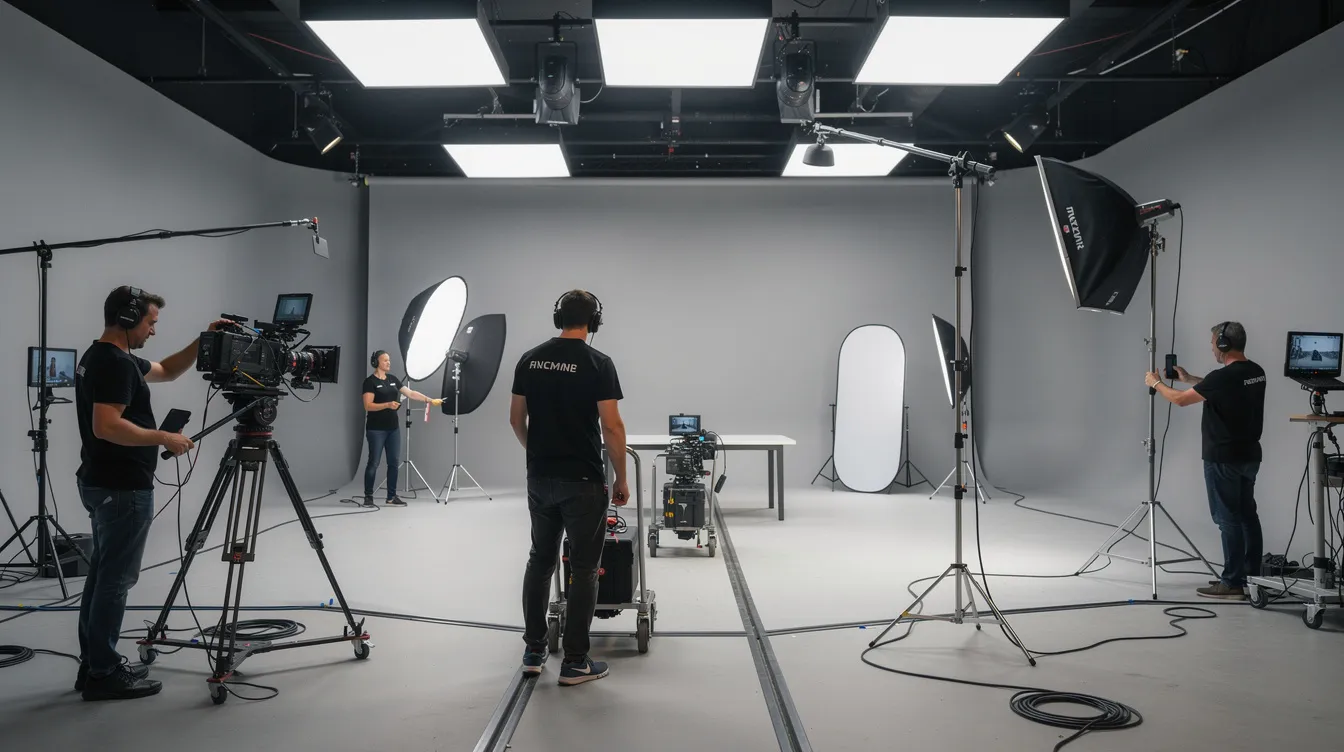
Introduction to Video Production
In today’s fast-paced digital landscape, investing in high-quality video content is no longer optional—it’s essential for brands looking to stand out and connect with their audience. Partnering with a professional video production company or video production agency ensures that your video project is handled with expertise from start to finish. A trusted video production partner will guide you through the entire process, from brainstorming creative concepts to delivering the polished final product, making sure every detail aligns with your brand identity and business objectives.
Choosing the right production company means you’ll avoid costly mistakes that can derail your video campaign and waste valuable resources. With a focus on quality and measurable results, a reputable video production agency will help you produce video content that not only looks great but also drives engagement and supports your marketing goals. Whether you’re launching a new product, building brand awareness, or running a targeted campaign, the right video production partner will ensure your project delivers a final video that resonates with your target audience and elevates your brand.
Core Questions to Ask a Video Production Team Up Front
These are the must-ask questions to cover in your first discovery call. Teams that can’t clearly answer them should be ruled out immediately.
Essential questions for pre-qualification:
- “Who exactly will be assigned to our project, and what are their specific responsibilities?”
- “What recent video projects have you delivered that are similar to ours in scope and industry?”
- “How do you define success for a client video—views, engagement, or tied to KPIs like leads and conversions?”
- “What’s your typical turnaround time from signed agreement to first cut?”
When evaluating answers, look for named roles: director, producer, director of photography, editor, colorist, motion designer, sound designer, and drone operator. Ask for LinkedIn profiles or showreels for key personnel.
Realistic timelines matter. A brand video typically takes 4-6 weeks from kickoff to final delivery, while social cuts may require 2-3 weeks. Teams with defined roles achieve 95% on-time delivery rates, while misalignment contributes to 30-40% of production delays.
Rule out any production company that gives vague responses about who does what or can’t provide a realistic schedule. Lack of clear answers or transparency is a potential deal breaker when evaluating agencies.
Understanding Their Experience, Portfolio, and Industry Fit
Proven hands on experience in your specific industry reduces risk by up to 50% and speeds up the entire process. A video production agency that understands your sector won’t need extensive education on compliance requirements, audience expectations, or competitive positioning.
Key questions to ask:
- “What experience do you have with brands like ours in our industry (SaaS, healthcare, higher education, manufacturing)?”
- “Can you show us at least three recent examples from 2023-2025 that match the style and goals of our project?”
- “What specific business results did those videos achieve?”
Look for video types that match your needs: brand anthem films, product launches, TV commercials, testimonial videos, event recaps, and social ad cutdowns. When reviewing their portfolio, evaluate:
| Quality Indicator | What to Look For |
|---|---|
| Image quality | Consistent lighting, sharp focus, professional color grading |
| Storytelling | Clear narrative arc, emotional resonance, brand alignment |
| Audio | Clean dialogue, balanced sound mixing, appropriate music |
| Platform adaptation | 16:9, 1:1, and 9:16 versions optimized for each channel |
Ask for references from past clients with comparable budgets ($50,000-$150,000 for mid-market campaigns) and actually contact at least two of them. Prioritize references from Greater Boston or Southern New Hampshire to validate local logistics expertise.
Defining the Target Audience
A successful video project starts with a deep understanding of your target audience. A skilled video production agency will collaborate with you to define exactly who you want to reach, considering factors like demographics, interests, and the specific challenges your audience faces. This insight shapes the creative direction of your video production, ensuring that the final video speaks directly to the right audience and addresses their needs.
By tailoring your video content to your target audience, you increase the chances of your marketing campaigns achieving their goals—whether that’s generating leads, boosting brand awareness, or driving conversions. The production team will use this information to craft messaging, visuals, and calls to action that resonate, making your video project more effective and maximizing your return on investment. Ultimately, understanding and targeting the right audience is key to creating video content that delivers real business results.
Client References and Testimonials
When considering a video production company, client references and testimonials are invaluable for gaining a better understanding of what it’s like to work with that team. A reputable video production agency should be able to provide references from past clients who can speak to their creative vision, technical expertise, and ability to deliver a final video that resonates with the right audience. Look for testimonials that mention how the production company captured the brand identity, communicated throughout the production process, and delivered high-quality video content on time and within budget.
For example, a testimonial might read: “Our experience with this video production partner was outstanding—their team understood our goals, brought fresh creative ideas, and delivered a polished final product that elevated our brand.” By reaching out to references, you can ask about the company’s responsiveness, flexibility, and how well they managed the entire process from concept to final delivery. This feedback will help you avoid costly mistakes and ensure you’re choosing a video production partner with a proven track record of success.
Process, Collaboration, and Creative Approach
A transparent production process and strong collaboration keep your video project on time, on budget, and on brand. Clear communication and structured workflows are essential to ensure the project stays on schedule and within budget, meeting your expectations at every stage. Opaque workflows contribute to 60% of client disputes in video production.
Process-focused questions:
- “Can you walk us through your full workflow from brief to final delivery?”
- “How do you handle concept development, scripting, and storyboarding?”
- “Who will be our dedicated project manager, and how often will we receive updates?”
- “How do you handle feedback and revision cycles with internal stakeholders?”
The workflow should cover three distinct phases:
Pre-production: Strategy sessions, scripting with tracked changes, visual style mood boards, shot lists, and logistics planning.
Production: On-location or studio shoot with proper lighting, professional audio equipment, multi-cam setups, and drone work where applicable.
Post production: Editing, color grading, sound design, motion graphics, closed captions, and versioning for multiple platforms.

At Granite River Studios, we use discovery workshops to align on creative vision before cameras roll. Our process includes script sign-off, rough cut review, fine cut adjustments, and picture lock milestones—ensuring everyone stays on the same page.
Ask for a sample timeline or Gantt-style breakdown for a typical 60-90 second brand video or TV spot with supporting social content.
Working with Raw Footage
Raw footage is the building block of any high quality video, and how it’s handled can make or break your video project. When you work with a professional video production company, you benefit from a production crew with hands-on experience in capturing and organizing raw footage, whether it’s shoot interviews, b-roll, or event coverage. This expertise ensures that every shot is purposeful and that nothing important is missed during production.
A skilled production team will meticulously manage your raw footage throughout the editing process, applying sound mixing, color grading, and music licensing to transform it into a polished final product. Their technical skills and attention to detail guarantee that the final video meets your expectations and aligns with your brand’s standards. By trusting your project to a company with proven experience in handling raw footage, you can be confident that your video will be both visually compelling and professionally produced.
Turnaround Time and Deadlines
Timely delivery is essential for any video project, especially when your marketing campaigns depend on hitting specific launch dates. A professional video production company will outline a clear timeline for the entire process, from initial planning and scripting through post production and final delivery. Ask the production team how they manage multiple projects at once and what systems they have in place to keep your project on track.
A dedicated project manager should provide regular updates and serve as your main point of contact, ensuring that your final video is delivered on schedule without sacrificing quality. For example, a video production agency might assure you, “We’re experienced in meeting tight deadlines and can scale our team to handle rush projects while maintaining our high standards.” By clarifying turnaround times and expectations up front, you can ensure your video production aligns seamlessly with your business objectives.
Budget, Pricing Transparency, and Scope Control
Video can be a significant line item in your marketing campaigns. Clarity on costs protects both sides and helps avoid costly mistakes down the road. Industry data shows 40% of video projects experience budget overruns.
Budget questions to include:
- “What is included in your estimate, line by line?”
- “What items could increase the price after we sign?”
- “How many rounds of revisions are included, and what counts as out-of-scope?”
Request a breakdown covering:
- Pre-production (planning, scripting, storyboarding)
- Shoot days (production crew size, day rates)
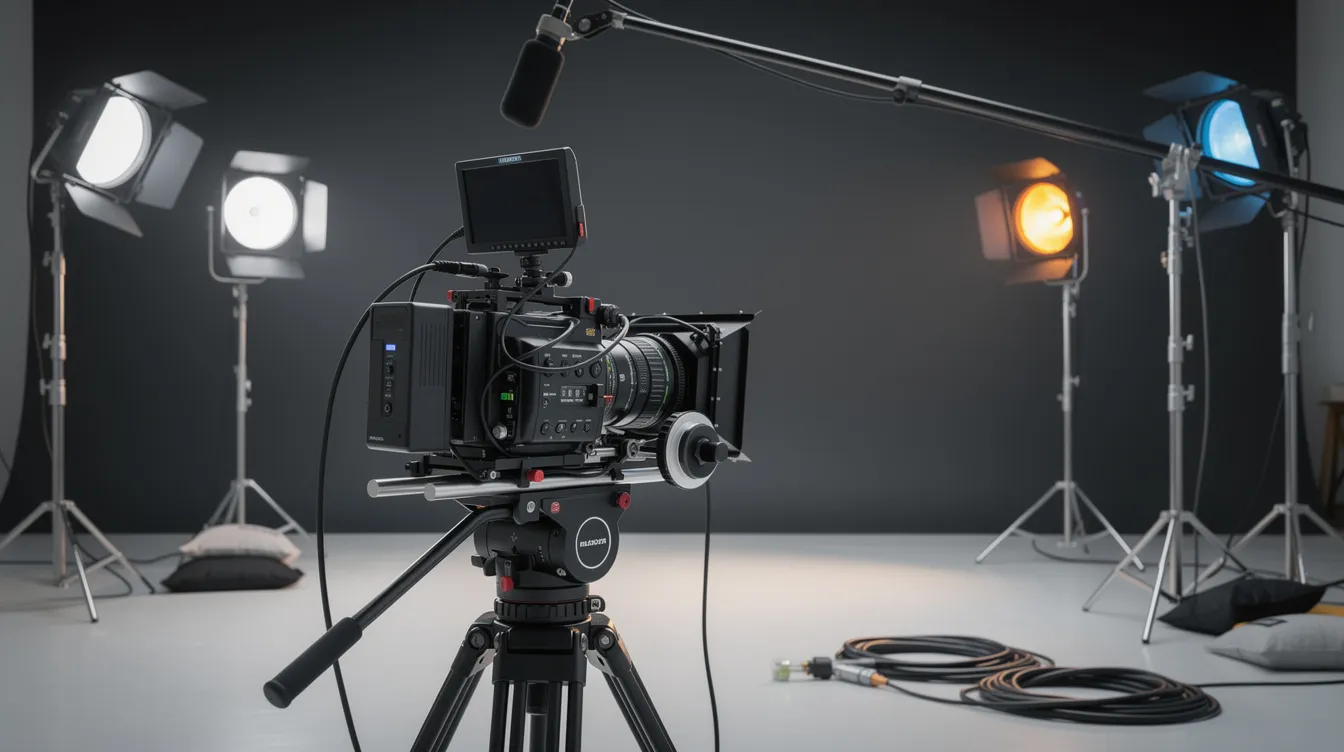
- Equipment (camera packages, lighting, audio)
- Talent fees and travel/location costs
- Music licensing and graphics
- Editing, color grading, and sound mixing
For mid-market scenarios, expect $75,000-$120,000 for a 30-second TV spot plus 3-5 social variations, or $40,000-$80,000 for multi-day testimonial shoots.
Ask whether the team offers tiered packages (good/better/best) or phased approaches—starting with one flagship brand film and repurposing raw footage into a content library. Insist on written approval processes for any budget change, and ask how closely past estimates matched final invoices in recent projects to uncover hidden costs.
Technical Capabilities, Equipment, and Postproduction Quality
Equipment and post production capabilities impact not just visual style, but where your final video can be distributed. Subpar technical specs lead to 25% rejection rates on broadcast submissions.
Technical questions to ask:
| Area | Question |
|---|---|
| Camera/Lighting | “What cameras, lenses, and lighting packages do you typically use for brand work and TV ads?” |
| Drone | “Do you handle drone videography in-house with Part 107-certified pilots?” |
| Post pipeline | “What does your post production pipeline look like—editing, motion graphics, color grading, sound mixing?” |
| Delivery | “Can you deliver broadcast-ready files plus versions for YouTube, LinkedIn, Instagram, and OTT/CTV?” |
Look for cinema cameras capable of 4K, 10-bit recording, professional audio gear, color grading in DaVinci Resolve, and motion graphics capability in After Effects or comparable software. Don’t just focus on gear lists—verify technical skills through their portfolio.
Ask about data security: how footage is stored, backed up, and archived, and for how long after the project wraps. This protects your ability to create future content from existing assets.
Granite River Studios provides color-consistent, audio-mixed masters and multiple aspect ratios. We handle delivery specs for New England broadcast stations, OTT placements, and digital ads across social platforms.
Ownership and Usage Rights
Before hiring a video production company, it’s crucial to clarify who will own the final video, raw footage, and project files once the project is complete. Understanding ownership and usage rights protects your investment and ensures you can use your video content across your website, social media, and digital ads without restrictions. A transparent video production agency will outline music licensing, talent fees, and any limitations on how you can use the final edit.
Ask for these terms in writing to avoid costly mistakes or unexpected fees down the line. For example, a reputable production company might state, “Our clients receive full ownership of the final video, including all raw footage and project files, so you have complete flexibility for future marketing campaigns.” Clear expectations around rights and usage will help your project stay on budget and maximize your video ROI.
Strategy, Distribution, and Measuring Results
Great video production must tie back to business goals. Views alone correlate weakly with conversions—research shows only a 0.3 correlation without targeted key performance indicators. To ensure your video does its job of reaching the target audience and driving organic traffic, an effective SEO strategy should be part of the process. Leading video agencies provide comprehensive services beyond production, including monitoring performance, optimizing results, and ensuring your videos meet specific business goals throughout the sales funnel.
Strategic questions:
- “How do you connect our video concept to specific KPIs such as leads, demo requests, or event registrations?”
- “Can you help us adapt content for TV, OTT/CTV, paid social, and our website—not just produce a single hero video?”
- “What do you recommend for CTAs, messaging, and length at different funnel stages?”
Probe for performance evidence:
- “Can you share examples from 2022-2025 where your video contributed to measurable lifts in traffic, conversion, or sales?”
- “Do you offer consulting or partnerships with media buyers for ongoing optimization?”
The right video production partner understands that a 90-second top-of-funnel brand film requires different creative direction than a 15-second bottom-of-funnel testimonial targeting the right audience at decision stage.
On ownership and rights: Ask who owns raw footage, project files, and final masters. Clarify how you can reuse or re-edit content in future marketing campaigns without additional licensing fees. This affects your video ROI significantly over time.
Optimizing Video Content for Multiple Platforms
In the age of digital ads and social media, your video content needs to be versatile and optimized for a variety of platforms. A forward-thinking video production agency understands the nuances of each channel—whether it’s YouTube, Instagram, LinkedIn, or your company website—and will deliver your video in multiple formats and aspect ratios to ensure maximum reach and impact.
By creating platform-specific versions of your video content, you can tailor your messaging and visuals to fit the unique requirements and audience behaviors of each platform. This approach not only enhances the effectiveness of your video campaign but also increases your video ROI by ensuring your content performs well wherever it’s seen. A strategic video production partner will help you navigate these technical considerations, making sure your video production is ready for distribution across all your key digital channels.
Handling Revisions and Changes
A smooth revision process is key to ensuring your final video meets your expectations. When discussing your project with a video production company, ask how many rounds of revisions are included in the initial agreement and what the process looks like for handling feedback. A professional video production agency will have a structured approach for incorporating your input, balancing creative direction with efficiency to deliver a polished final product.
Clarify what counts as a revision, how additional changes are billed, and how the team manages feedback from multiple stakeholders. For instance, a production company might explain, “We include three rounds of revisions in our standard package, and our team works closely with clients to ensure the final product aligns with your vision and stays within budget.” Understanding this process up front helps avoid delays and ensures a collaborative, stress-free experience.
Risk Management, Logistics, and “What If” Scenarios
Real-world issues happen: weather delays impact 20% of outdoor shoots, executives reschedule, compliance approvals stall, and scope shifts mid-project. Your video production partner should have documented protocols for all of these.
Practical questions:
- “How do you handle rescheduling for weather, illness, or location conflicts?”
- “What happens if we need to change messaging or creative direction mid-project?”
- “Do you carry production insurance and general liability? Can you provide a certificate naming us as additionally insured?”
Ask for specific examples from the past 12-24 months where the team adapted to major last-minute changes while protecting schedule and budget.
Granite River Studios has experience coordinating complex shoots across multiple projects and locations throughout Massachusetts and Southern New Hampshire, including permitting, location agreements, and talent releases.
Have your procurement or legal team review contracts for cancellation terms, overtime policies, weather days, and safety protocols—especially for drone work and large production crews.
Avoiding Common Pitfalls
Hiring a video production company is a significant investment, and avoiding common pitfalls is crucial to ensuring a successful outcome. One major mistake is choosing a solo videographer or a team lacking the technical skills and expertise required for high quality video production. This can result in a final product that falls short of your expectations and fails to deliver measurable results.
Another common issue is not clearly defining the project scope, budget, and timeline from the outset. Without clear expectations, projects can suffer from scope creep, unexpected costs, and missed deadlines. To avoid these costly mistakes, work with a reputable video production agency that values transparency and communication. Ask important questions about how many rounds of revisions are included, what equipment and software will be used, and the typical turnaround time for your project.
By partnering with an experienced video production partner, you ensure that your video project is managed professionally from start to finish. This not only protects your investment but also guarantees a final product that supports your business goals and delivers the quality your brand deserves.
Evaluating Fit and Making Your Final Decision
The right video production company is both technically strong and culturally aligned with your brand. A polished final product requires partnership, not just vendor management.
Decision framework:
| Criterion | What to Verify |
|---|---|
| Portfolio relevance | Work matches your visual style, industry, and target platforms |
| Process clarity | Clear workflow, communication cadence, and a named project lead you trust |
| Pricing transparency | Realistic timelines, documented revision policies, no hidden costs |
| Technical capability | Equipment and post production for TV, OTT/CTV, web, and social delivery |
| Strategic depth | Demonstrated connection between high quality video and business results |
Trust both evidence and conversation. The best teams ask thoughtful questions about your target audience, goals, and distribution strategy—they don’t just talk about gear.
Use this article as a checklist in discovery calls with 2-3 shortlisted vendors before making your final decision. When you’re ready to talk through these questions with a team that can deliver a great video with measurable results, contact Granite River Studios for a strategy call. We’ll outline a tailored approach for your next video campaign in Greater Boston or Southern New Hampshire.
Conclusion and Next Steps
Choosing the right video production company is a strategic decision that can shape the success of your marketing campaigns and overall business goals. By asking the right questions and understanding each step of the production process, you set your video project up for success. Look for a video production agency with proven expertise in creating high quality video content, a deep understanding of your target audience, and a commitment to delivering measurable results.
Don’t hesitate to inquire about their approach to revisions, ownership rights, and how they ensure the final video meets your expectations. Taking the time to research, review portfolios and client testimonials, and discuss your needs with potential video production partners will help you make an informed choice. As a next step, consider scheduling a strategy call with a video production company, requesting a custom quote, or reviewing their recent work to see how they can help you create a standout video campaign that drives real results for your business.