
Introduction: Why PSA Videos Matter in 2026
Here’s the thing about a well-crafted psa video: it doesn’t just inform people—it moves them. Whether we’re talking bullying prevention for a middle school in Worcester, suicide awareness on a college campus in Boston, opioid misuse education in Southern New Hampshire, or rare disease advocacy for a regional hospital foundation, these videos carry weight. Real weight. The kind that can shift attitudes and, honestly, save a life. The benefits of PSA videos include their emotional impact, ability to create awareness, and power to influence behaviors with clear calls-to-action and broad or targeted reach—making them invaluable for organizations seeking real change.
Modern PSAs have to work harder than ever. Your message needs to land on broadcast TV, stream through OTT platforms like Roku and Hulu, and grab attention in the first three seconds of a TikTok scroll. That might mean a 60-second narrative video for a gala event or a 15-second bumper that stops someone mid-scroll. The nature of PSA narrative videos is to address serious issues—like smoking, safety, or mental health—by evoking emotional responses that promote change. The world has changed, and the form has adapted.
At Granite River Studios, we’re a Boston-area B2B production partner laser-focused on emotionally resonant, broadcast-ready PSA campaigns. We work with nonprofits, pharmaceutical companies, hospitals, universities, and advocacy groups across Greater Boston and Southern New Hampshire. Think a 30-second campus suicide prevention spot ready for Fall 2026 orientation, a 60-second bullying PSA for a New England school district, or a rare-disease awareness video for a regional hospital foundation. These video PSA projects are essential tools in educational and public health campaigns, designed to raise awareness, include a call to action, and promote behavioral change or support for specific causes. These aren’t just projects—they’re missions. And we’re all in.
The Red Ribbon Week campaign began in 1985 to highlight the importance of preventing drug use and misuse in schools and communities. Today, it continues to play a vital role in promoting drug-free lifestyles and raising awareness nationwide.
The 2025 Red Ribbon Week Campus Video PSA Contest focuses on preventing illicit drug use and legal drug misuse among college students. As part of the annual Red Ribbon event, the contest encourages campuses to show their commitment to a healthy, drug-free lifestyle by creating impactful video PSAs and displaying the Red Ribbon.
What Is a PSA Video Today?
A public service announcement video is a short, focused piece created to raise awareness, shift attitudes, or prompt action on issues of public interest. We’re talking mental health, addiction, traffic safety, chronic illness—topics that matter to the community but aren’t selling a product. These videos promote ideas and behaviors: calling a helpline, seeking screening, reporting bullying, talking to a trusted adult.
When planning a PSA video, it’s important to decide early on the topic, how the project will be adapted for different platforms, and which distribution channels will be used to maximize reach. Identifying the target audience is crucial for crafting an effective PSA video message that resonates and drives action. Researching verifiable facts and statistics can enhance the credibility of your PSA video and help build trust with viewers. Storyboarding a PSA video allows creators to visualize the shots and plan the narrative flow, ensuring a cohesive and impactful story. Key elements that contribute to an effective PSA video include a strong message, emotional appeal, and a clear call-to-action.
Lengths vary by channel. Broadcast and OTT spots typically run 15 or 30 seconds. Social bumpers clock in at 6-15 seconds. Web and fundraising content can stretch to 45-60 seconds. The formats we produce at Granite River include:
- Interview-based stories: Survivor narratives, family perspectives
- Dramatized scenarios: Bullying, distracted driving, smoking
- Motion graphics explainers: Statistics, invisible conditions
- Live-action + animation: Sensitive topics, abstract data
For example, we might create a 15-second winter-driving safety tag for the New Hampshire DOT in December 2025, or a 60-second PSA featuring interviews with students for a campus mental health campaign.
Understanding the Target Audience
Demographics and Psychographics
Dude, a truly amazing PSA starts with knowing your audience inside and out. Like, before you even think about hitting record or writing that first line, you gotta know exactly who you’re talking to—and hey, why should they even care? Whether you’re creating something about alcohol awareness, family safety, or smoking prevention, the magic happens when you actually connect with the people you want to reach. C’mon, that’s where the real impact lives!
Let’s start with the basics—age, location, cultural background, interests. Like, are we talking to high schoolers about smoking dangers? Or maybe parents in Greater Boston about family safety? These details? They’re everything. They shape your message, your tone, your visuals, even the music that’s gonna hit different. It’s amazing how these specifics can totally transform your approach.
Gathering Audience Insights
But here’s where it gets really good—you gotta go deeper than just demographics. What’s their daily reality look like? What actually motivates them? What’s stopping them from taking action? Interviews, community feedback, social media listening—that’s where you find the gold. A PSA about college drinking that doesn’t reflect the actual pressures students face? C’mon, that’s just statistics talking to a wall.
Tailoring the Message
Once you’ve mapped out your audience, let’s tailor that message to speak directly to what matters to them. Keep it clear, keep it real, make it feel personal—not like some generic announcement everyone ignores. Real stories, relatable visuals, authentic interviews—that’s how you create connection. The right music, a familiar setting? Boom, now you’re speaking to viewers, not at them.
Video quality? Yeah, it matters big time. High-res visuals, crisp audio, thoughtful editing—all that contributes to whether people actually believe what you’re saying. Most folks are gonna see your PSA on YouTube or Instagram, where attention spans are like goldfish and competition is crazy fierce. Stick to 30 to 60 seconds—get in, make your impact, get out before they scroll away. Amazing work doesn’t need to be long.
Finally, let’s think bigger picture here. A well-crafted PSA doesn’t just inform—it inspires, sparks conversations, creates real change. By understanding your target audience and creating narrative content that communicates important stuff in a compelling way, you can promote awareness, shift attitudes, and actually motivate people to take meaningful action. Now that’s what I call amazing work that matters.
Unique Emotional & Ethical Challenges of PSA Work
Handling Sensitive Topics
Let’s be real: this work is heavy. PSAs often address suicide, domestic violence, substance use disorder, or invisible illnesses like long COVID and autoimmune diseases. That demands extra care at every stage—from the first script meeting to the final master.
The tension is real. How do you pull heartstrings without crossing into exploitation? How do you tell the truth about risk—like the CDC data showing teen suicide rose 57% from 2007-2021, or Massachusetts reporting 2,284 opioid overdoses in 2023—without sensationalizing or triggering audiences? There’s a responsibility here. Viewers trust us. Participants trust us more.
Protecting Participants
Imagine a survivor speaking on camera about a 2022 attempt. Or a parent describing the day they discovered their child’s bullying situation. These aren’t actors—they’re real people sharing the most vulnerable moments of their life. Fitting complex, nuanced realities into 15-30 seconds while remaining accurate, stigma-reducing, and hopeful? That’s the challenge. And it’s one we take seriously.
Granite River’s Creative Approach: From Insight to Story
Discovery and Research
Every PSA project at Granite River starts with discovery. We meet with clinicians, social workers, educators, and advocacy leaders. PSAs are often sponsored by nonprofit organizations, government agencies, or grassroots movements, and government agencies play a key role in providing credible information and supporting public interest initiatives through PSA videos.
Defining the Message and CTA
We don’t write a single line of script until we’ve defined a specific behavior or perception change—something like “students know how to access the campus counseling center by September 1, 2026.” PSA creators should define the target audience early on to tailor the tone and message accordingly.
Our team digs into current studies, CDC and SAMHSA data, local hospital reports, and lived-experience narratives. We translate those insights into one sharp key message and one clear call-to-action. This process ensures that whether we’re addressing alcohol misuse or rare disease awareness, the message sticks.
Collaboration with Sponsors and Experts
We collaborate closely with sponsors, clinicians, and subject matter experts to ensure accuracy and sensitivity. This partnership helps us craft PSAs that are both impactful and responsible, leveraging the expertise of those who work directly with the issues at hand.
Extracting Authentic Stories Without Causing Harm
Trauma-informed interviews start long before cameras roll. We conduct pre-interviews via phone or Zoom, establish explicit consent, and make it crystal clear: participants can skip questions or stop filming anytime. No pressure. Period.
We prepare contributors – whether a teen who experienced cyberbullying in 2024 or a parent who lost a child – so they understand what will be used, where it will run, and who might watch. Open-ended prompts replace leading questions. For more sensitive topics, we collaborate with clinicians or counselors on set to provide support if needed.
Balancing Emotion, Hope, and Specific Action
Scripts avoid hopelessness. We pair hard truths (2024 MA suicide statistics) with concrete paths to help: 988, campus hotlines, local resources. The narrative beats follow a pattern: a moment of struggle, a turning point where someone reaches out, and a glimpse of life after help.
Visuals include protective factors – community, friends, family, clinical care, peer support groups, school anti-bullying policies. Every video ends with a clear, realistic CTA: “Text ‘HOME’ to 741741” or “Visit [school URL] for confidential reporting.” The objective is moving viewers from emotion to purposeful action.

Production: Creating a Safe, Respectful Set
Shoot days are structured around participant comfort. Shorter call times. Quiet holding spaces. Frequent breaks. Clear expectations. We choose locations that support both the story and safety: a real high school counseling office for a bullying PSA, a hospital family room for a pediatric cancer campaign, a college quad for Red Ribbon Week drug-misuse spots.
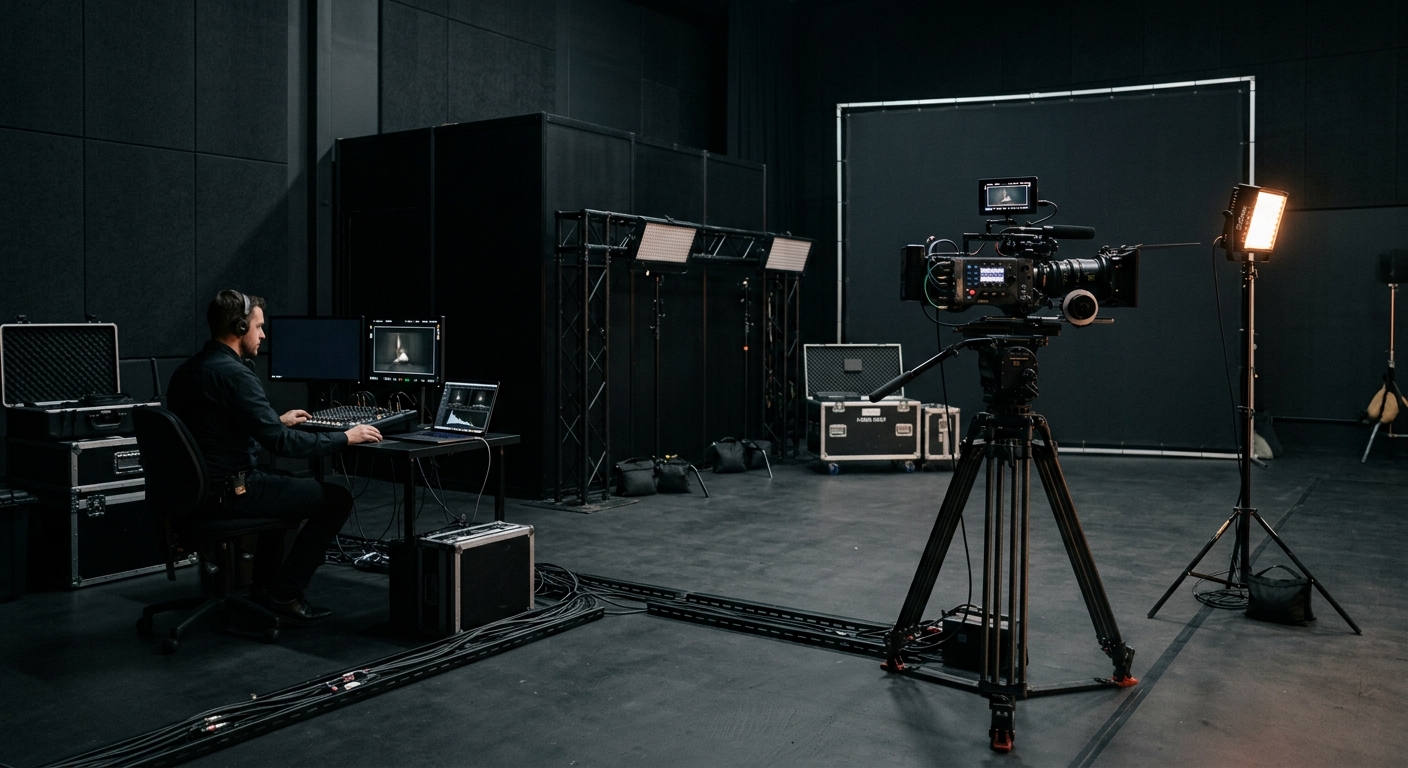
For sensitive interviews, we keep the crew minimal – director, DP, sound. Small-form cameras and soft lighting reduce intimidation. We also adopt accessible production techniques: clear wayfinding, wheelchair-friendly layouts, and sensitivity to sensory issues when relevant.
Technical Choices That Support the Message
Camera movement matters. Locked-off shots convey gravity and stability for suicide prevention PSAs. Gentle slider moves add reflection to recovery stories. Drone shots communicate community-scale issues like road safety.
Lighting approaches shift by tone: soft, naturalistic light for intimate interviews; slightly higher contrast for dramatized reenactments about drunk driving or distracted driving; warmer tones to emphasize hope. We capture pristine audio (lavs plus boom, treated rooms) and clean room tone—crucial for those :15 TV spots where every second counts.
We shoot for multi-delivery from the start: 16:9 for broadcast and YouTube, 9:16 for TikTok and Reels, 1:1 for in-feed posts, mirroring the same strategic thinking we bring to purpose-driven video formats and campaigns. Broadcast standards like -24 LKFS loudness normalization and safe title areas are built into our plan.
Postproduction: Honoring Stories in the Edit
Editing is where ethical choices become visible. What quotes to include? How long to linger on emotion? When to cut away to protect dignity? These decisions matter. During the storyboarding and editing process, we take note of specific details such as text overlays, music cues, and on-screen actions to ensure every visual and audio element is planned and executed thoroughly. Editing is a critical step in the PSA video creation process to ensure a polished final product.
From a single shoot, we build multiple versions: :15, :30, :60 edits plus a 2-3 minute web cut for events, similar to how story-driven brand videos connect with audiences across channels. When necessary, we remove identifying details – blurring backgrounds, cropping faces, altering voices for survivors of bullying or abuse.
Music gets careful consideration. We use licensed or custom-composed scores that support tone without manipulation—often minimal piano or ambient music for grief topics. Color grading ensures consistency across the campaign, while lower-thirds, end cards, and resource slates meet accessibility requirements.
Motion Graphics, Animation, and Sensitive Data
Motion graphics visualize hard-to-grasp data: 2024 overdose trends, vaccination rates, early-detection survival curves. Simple iconography and diagrams make invisible conditions – PTSD, autoimmune disease, early-stage kidney disease—visible to viewers.
For topics where live action may be too triggering, we create fully animated PSAs. Child abuse prevention and suicide attempt scenarios often benefit from this approach. We also design campaign toolkits: animated end cards with QR codes, lower-thirds templates, and social cutdown graphics. Clarity and empathy beat flashy design every time—these visuals need to communicate important information in 6-10 seconds.
Accessibility, Cultural Sensitivity, and Compliance
Every PSA we produce is planned with accessibility in mind. Open or closed captions. High-contrast text. Readable fonts. Mindful spoken pacing. Longer web versions include audio description options, ensuring key information isn’t conveyed only through on-screen text or color.
Cultural competence shapes our process. We collaborate with community advisors when addressing topics like LGBTQ+ youth suicide or substance use in specific neighborhoods. Legal and standards considerations—HIPAA for hospital PSAs, FERPA and parental consent for school campaigns, network standards review for TV spots—are baked into our workflow. We work with clients’ legal offices and DEI councils to vet scripts before release.
Multi-Channel Delivery: From TV Spots to TikTok
PSA campaigns today require distribution across broadcast TV, local cable, OTT/CTV platforms, campus digital signage, and social media including YouTube, Instagram, TikTok, and Facebook. PSAs can often be distributed for free on TV, radio, and social media, with airtime or placements frequently donated by media outlets. Each platform demands tailored edits: faster, text-heavy openings for TikTok users who might scroll past; more measured pacing and VO for TV; vertical formats with bold captions for Instagram Stories.
We version CTAs for different audiences. Teens get directed to text lines. Parents link to resource hubs. Clinicians tap into CME or training content. It’s crucial to include a clear call to action or key message that viewers are encouraged to act upon post-viewing, maximizing engagement after the PSA video ends. Deliverables arrive in the right specs—ProRes for Boston broadcasters, H.264 for social, high resolution 4K masters for future reversioning.
A single shoot generates a cohesive suite: :30 TV spot, three 15-second social cutdowns, a 2-minute web story, and a short loop for event screens. PSA videos are typically around 30-60 seconds long, making them concise and focused on delivering a clear message. Historically, PSA videos were mass-marketed, making them a highly effective way to communicate important public information. Nothing boring. Everything relevant to where your target audience actually lives on the internet.
Measuring Impact and Iterating
Tracking metrics matters. We monitor and track:
- Hotline call volume
- Website visits during Suicide Prevention Month
- QR code scans during Red Ribbon Week events
- Retention graphs on YouTube
- Completion rates on OTT
- Engagement statistics on TikTok and Instagram
- Qualitative feedback from counselors, teachers, clinicians, and participants
All of this informs refinements for subsequent waves. Qualitative feedback from counselors, teachers, clinicians, and participants tells us how the PSA lands on the ground. These campaigns evolve. Updated edits in 2026 and beyond keep messaging fresh as needs change.
Our Commitment: Using Our Craft to Help People
PSA work isn’t just another project category for us—it’s mission-driven. We’re committed to trauma-informed production, participant safety, and honest storytelling whether the topic is bullying, suicide, addiction, or rare disease awareness. Our skills serve a larger purpose: to promote real change.
AA’s public service announcements (PSAs) communicate messages of hope and life-changing possibilities to millions who may benefit. These PSAs are available at no cost to stations and have no end date for use.
If you’re an organization in Greater Boston or Southern New Hampshire—a school, university, hospital, health system, advocacy group, or agency—we want to partner early in campaign planning. Don’t wait until “we need a video” is the only idea left. Start with a discovery conversation about your 2025-2026 PSA goals by reaching out through our contact form and direct phone options. Consider timelines around National Suicide Prevention Month (September), Red Ribbon Week (October), and Mental Health Awareness Month (May).
The Campus Video PSA Contest is co-sponsored by the Drug Enforcement Administration (DEA) and the Substance Abuse and Mental Health Services Administration (SAMHSA). Entries for the Campus Video PSA Contest can be submitted from September 8 to November 3, 2025, and winners are announced during NASPA’s Strategies Conference in January. The 2024 Campus Video PSA Contest winners were: “You Sure” (first place), “The Whole Story – A Call to Community” (second place), and “What If…” (third place).
Powerful, ethical PSA videos demonstrate understanding, reduce stigma, and in some cases—quite literally—save lives. That’s the point. That’s why we do this. Let’s create something that matters together.
For more information or to start your PSA video project, contact us today via our video production studio contact page or call us directly. You can also download sample PSA videos and resources from our library to see examples of our work and get inspired for your next campaign.