The Tipping Point in 2026
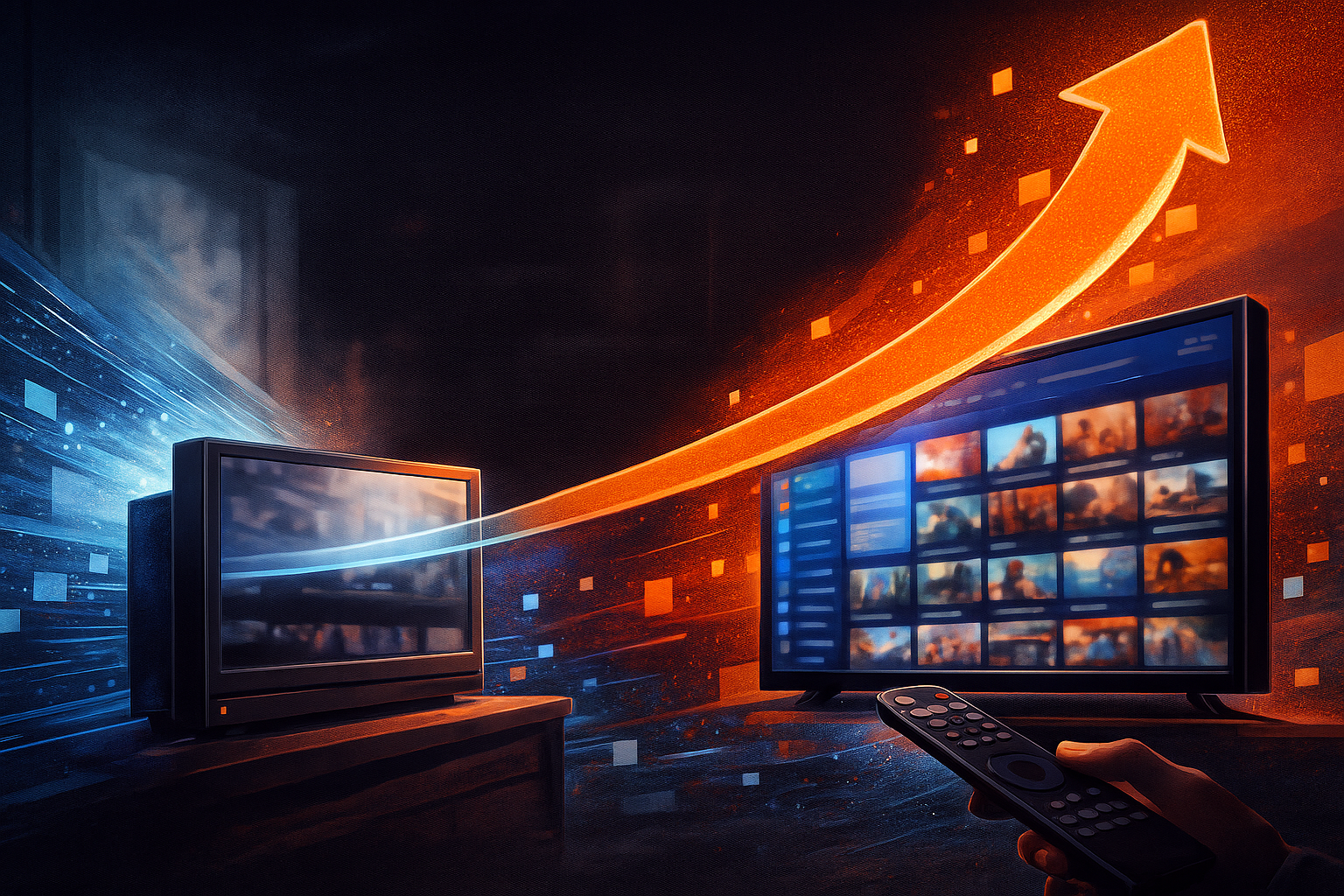
The evolution of TV viewership has been building for years, but 2026 marks a true tipping point. Streaming is no longer the “future” of television — it is the present. In many households, it has fully replaced traditional cable or satellite as the primary way people watch TV. For Boston-area brands, this represents a rare opportunity to compete on premium channels that were once reserved for national advertisers. CTV advertising gives advertisers immense opportunity in 2026.
Connected TV (CTV) and over-the-top (OTT) platforms now combine the high-impact experience of traditional TV with the precision and measurability of digital. Marketers can target campaigns at the household level, optimize frequency, test creative variations, and track performance in ways that simply weren’t possible in the era of linear-only advertising.
“Streaming has democratized premium TV advertising. Local brands finally have access to the same high-performing channels the major players use.” — Sean Owen, CEO, Granite River Studios
Why Streaming Is Winning
1. Streaming Is the Default Viewing Behavior
Across age groups, streaming has become the default way to watch television. Viewers enjoy on-demand access, flexible subscriptions, and the ability to watch on any device. In a market as busy and competitive as Boston, convenience is king — and streaming delivers.
2. Advertisers Demand Attribution and Targeting
Traditional TV buying has always been built on broad audience estimates. By contrast, CTV and OTT allow advertisers to target audiences with much greater precision. Brands can selectively reach certain ZIP codes, income brackets, or interest groups, and then measure outcomes such as website visits, form fills, or app activity.
3. The Creative Bar Has Been Raised
Viewers are watching cinematic series and
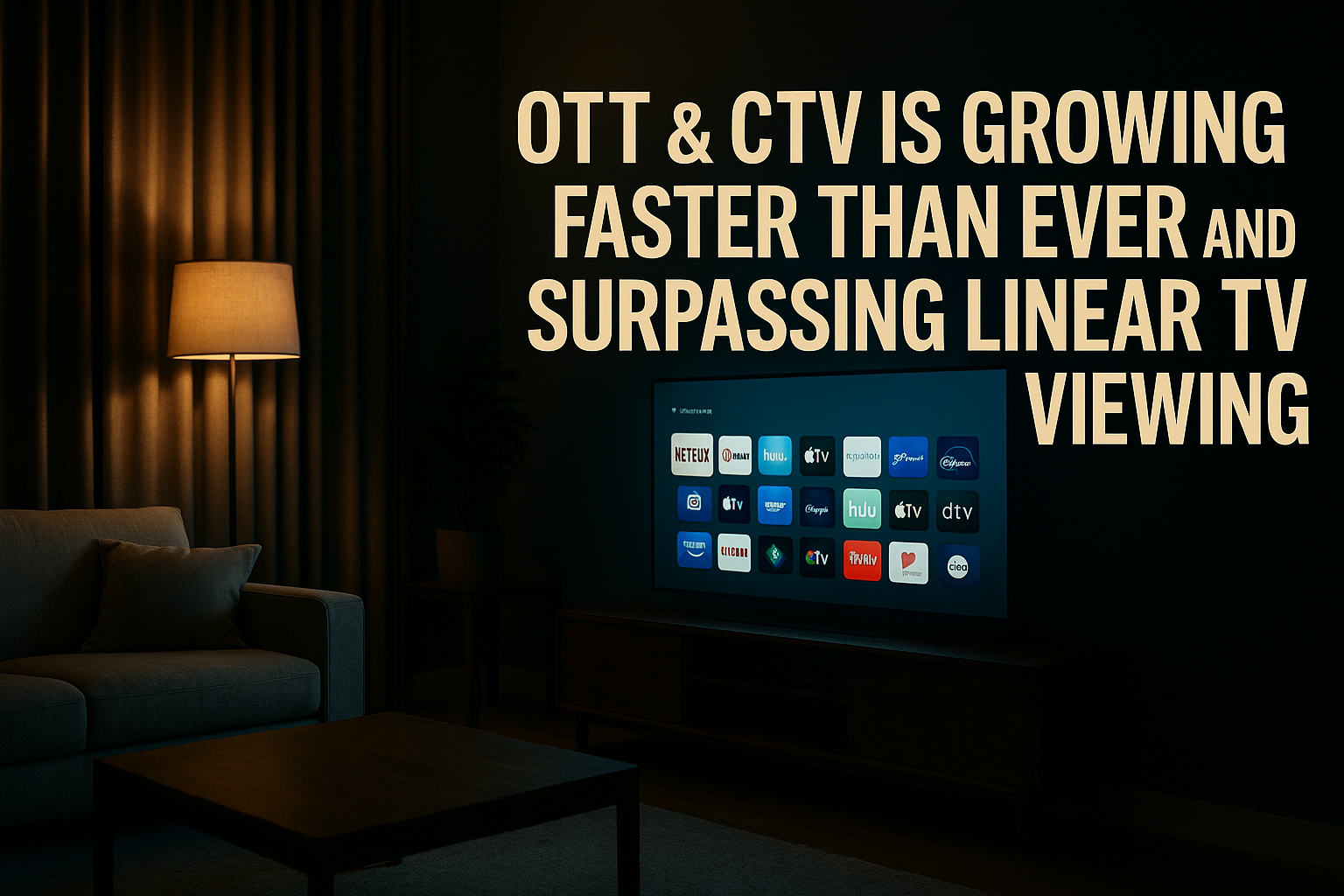
Suggested Editorial Image Prompt: Magazine-style horizontal image of a modern Boston living room at night, soft cinematic lighting, a large smart TV glowing with streaming apps on screen, subtle tech-forward atmosphere, 16:9.
The Tipping Point in 2026
The evolution of TV viewership has been building for years, but 2026 marks a true tipping point. Streaming is no longer the “future” of television — it is the present. In many households, it has fully replaced traditional cable or satellite as the primary way people watch TV. For Boston-area brands, this represents a rare opportunity to compete on premium channels that were once reserved for national advertisers.
Connected TV (CTV) and over-the-top (OTT) platforms now combine the high-impact experience of traditional TV with the precision and measurability of digital. Marketers can target campaigns at the household level, optimize frequency, test creative variations, and track performance in ways that simply weren’t possible in the era of linear-only advertising.
“Streaming has democratized premium TV advertising. Local brands finally have access to the same high-performing channels the major players use.” — Sean Owen, CEO, Granite River Studios
Why Streaming Is Winning
1. Streaming Is the Default Viewing Behavior
Across age groups, streaming has become the default way to watch television. Viewers enjoy on-demand access, flexible subscriptions, and the ability to watch on any device. In a market as busy and competitive as Boston, convenience is king — and streaming delivers.
2. Advertisers Demand Attribution and Targeting
Traditional TV buying has always been built on broad audience estimates. By contrast, CTV and OTT allow advertisers to target audiences with much greater precision. Brands can selectively reach certain ZIP codes, income brackets, or interest groups, and then measure outcomes such as website visits, form fills, or app activity.
3. The Creative Bar Has Been Raised
Viewers are watching cinematic series and
Suggested Editorial Image Prompt: Magazine-style horizontal image of a modern Boston living room at night, soft cinematic lighting, a large smart TV glowing with streaming apps on screen, subtle tech-forward atmosphere, 16:9.
The Tipping Point in 2026
The evolution of TV viewership has been building for years, but 2026 marks a true tipping point. Streaming is no longer the “future” of television — it is the present. In many households, it has fully replaced traditional cable or satellite as the primary way people watch TV. For Boston-area brands, this represents a rare opportunity to compete on premium channels that were once reserved for national advertisers.
Connected TV (CTV) and over-the-top (OTT) platforms now combine the high-impact experience of traditional TV with the precision and measurability of digital. Marketers can target campaigns at the household level, optimize frequency, test creative variations, and track performance in ways that simply weren’t possible in the era of linear-only advertising.
“Streaming has democratized premium TV advertising. Local brands finally have access to the same high-performing channels the major players use.” — Sean Owen, CEO, Granite River Studios
Why Streaming Is Winning
1. Streaming Is the Default Viewing Behavior
Across age groups, streaming has become the default way to watch television. Viewers enjoy on-demand access, flexible subscriptions, and the ability to watch on any device. In a market as busy and competitive as Boston, convenience is king — and streaming delivers.
2. Advertisers Demand Attribution and Targeting
Traditional TV buying has always been built on broad audience estimates. By contrast, CTV and OTT allow advertisers to target audiences with much greater precision. Brands can selectively reach certain ZIP codes, income brackets, or interest groups, and then measure outcomes such as website visits, form fills, or app activity.
3. The Creative Bar Has Been Raised
Viewers are watching cinematic series and films through the same devices and apps where your ads appear. That means your commercial is being judged alongside some of the best entertainment in the world. The production quality expectations are simply higher than they used to be.
“An ad on CTV doesn’t compete with other commercials. It competes with the best shows and films being streamed. The production value has to rise to meet that.” — Kent Rich, Director of Photography, Granite River Studios
What This Means for Boston-Area Brands
For brands in the Boston market — from healthcare systems and universities to financial services, tech firms, and home service providers — CTV and OTT advertising create a powerful competitive edge.
Instead of buying broad, inefficient schedules, you can:
- Target the exact households and neighborhoods that matter most.
- Reach cord-cutters and cord-nevers who no longer watch traditional TV.
- Refresh creative more often and test multiple messages.
- Align your TV presence with the same data-driven mindset you use in digital marketing.
How to Win on CTV in 2026
The brands that will win on CTV aren’t just shifting their media budgets; they’re elevating their creative. Successful campaigns in 2026 will:
- Lead with clear, compelling storytelling tailored to streaming environments.
- Leverage cinematic lighting, sound, and camera work that match the standard of the platform.
- Capture enough footage in one production day to support TV, CTV, and social cutdowns.
- Test multiple versions of a spot and iterate based on real performance data.
In other words, media sophistication and production quality must work together. For Boston-area brands with a strong story to tell, this is a moment to step confidently into the streaming era.