Introduction
A corporate video is any video content created by an organization to inform, persuade, or align audiences such as customers, employees, investors, or recruits. Companies invest in corporate videos to shorten sales cycles, simplify complex offerings, and build trust with both external and internal stakeholders. For marketing and communications leaders at mid-sized to large B2B brands in Greater Boston and Southern New Hampshire, understanding corporate video production is a valuable competitive advantage.
Effective corporate videos in 2026 start with a strong story, focus on the intended audience, and are designed for distribution across multiple platforms and formats. Research shows that viewers retain 95% of a message from videos compared to a fraction from text alone. Websites featuring videos achieve 4.8% conversion rates, and video content generates 1,200% more shares than text and images combined.
This guide covers the definition of corporate video, key types, the production process, budgeting, and common mistakes. By the end, you’ll know how to:
-
Choose the right corporate video type for business objectives
-
Plan a video project from discovery through delivery
-
Set realistic timelines and budgets
-
Decide when to produce in-house versus hiring a professional studio
-
Measure results and extend the value of your video assets
Understanding Corporate Video
Corporate video refers to structured video content designed to educate, inform, or build trust with specific audiences. It differs from casual or entertainment videos and includes brand films, explainer videos, case studies, testimonials, onboarding videos, investor updates, training videos, and event recaps.
Unlike traditional TV commercials, which are short and product-focused, corporate videos vary widely in length and purpose—from 90-second explainers to 10-minute training modules—and serve both marketing and internal communications needs. They are designed to work across broadcast, web, OTT/CTV, and social platforms, often requiring multiple aspect ratios and formats.
Core Purposes of Corporate Video
Most corporate videos serve one or more of these objectives:
-
Build brand trust and awareness: Brand anthems and corporate overviews present a company’s values, mission statement, and customer promise as trust-building brand messaging. With 87% of customers willing to pay more for trusted brands, these videos are critical revenue drivers.
-
Explain complex offerings: Explainer videos simplify abstract or technical concepts, increasing user understanding by 96%. SaaS, biotech, and manufacturing companies use animated or hybrid videos to make complex ideas accessible.
-
Drive demand and conversions: Case studies and testimonials with measurable outcomes influence purchase decisions. Videos can boost conversions by over 80%, especially in the consideration and decision stages.
-
Support recruiting and employee alignment: Culture videos, company culture, day-in-the-life profiles, and recruitment videos attract talent and improve internal communication.
-
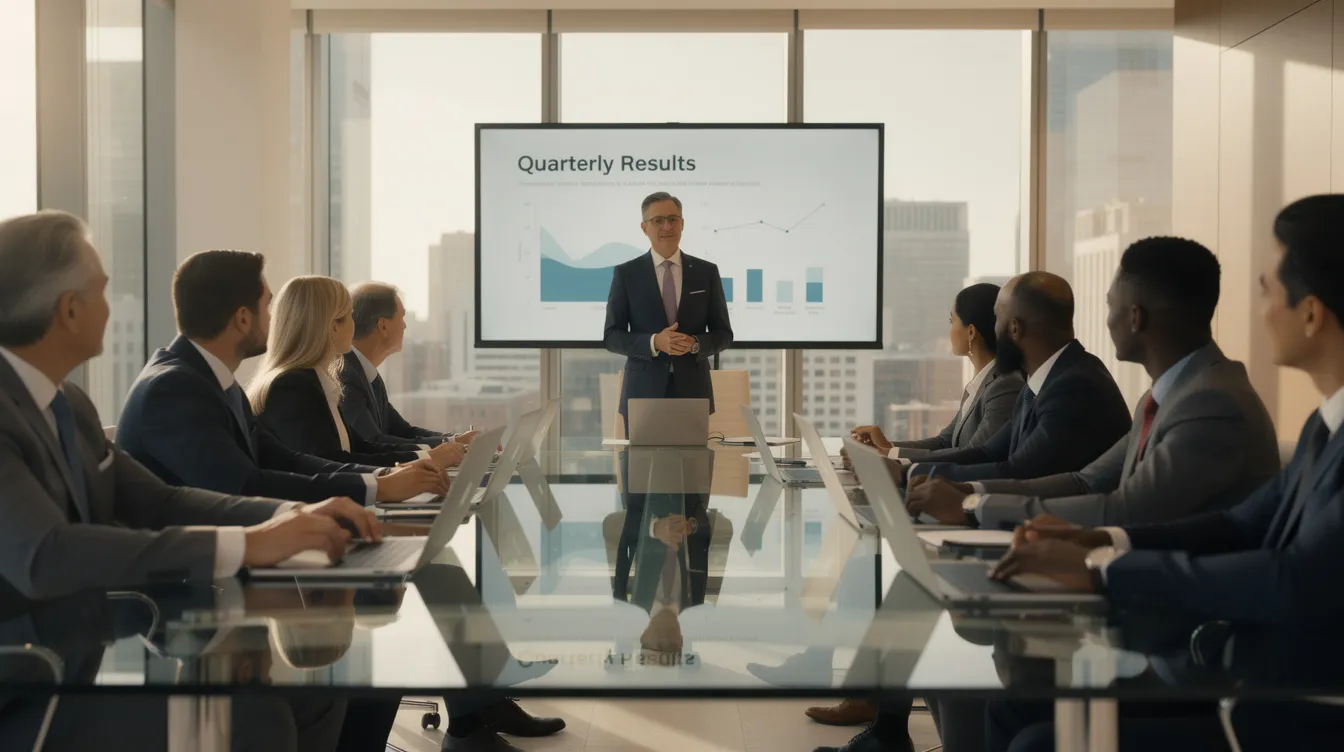
Align stakeholders and communicate developments: Investor relations videos, year-in-review updates, and CEO messages combine storytelling with data to maintain transparency and trust, and they can replace lengthy emails for company updates in internal or leadership communications.
Each objective influences video length, tone, and distribution strategy.
Why Corporate Video Works
Video storytelling engages both cognitive and emotional processing. Combining moving images, music, voice, and human expression conveys meaning faster and with better retention than text alone. 95% of viewers retain video messages better than text, and 54% of audiences want more authentic videos from brands. Strong storytelling also builds an emotional connection and a human connection, not just information recall.
For B2B buyers, video reduces the effort to evaluate products or vendors. LinkedIn research shows 59% of senior executives prefer video over text for the same content. Using video in nurture sequences accelerates sales cycles by about 2.4 times.
Top B2B video goals include brand awareness (35%), trust building (29%), and driving conversions (23%). Formats with the highest ROI are short-form social clips, brand storytelling, testimonials, and product demos because compelling stories and visual storytelling help keep the audience engaged.
Key Types of Corporate Video
Brand Story & Corporate Overview Videos
These videos introduce who a company is, what it stands for, and its brand identity. They typically appear on homepages, about pages, investor decks, and recruitment sites, and they can also build brand awareness with potential customers and recruits. Ideal length is 60 to 120 seconds, following a clear narrative arc: define the audience, highlight differentiation, show impact, and close with a call to action. A brand film is the premium, narrative-driven version of this format and can create a deeper level of connection through bold visuals.
Product, Service & “How It Works” Explainer Videos
Explainer videos simplify abstract concepts, often using animation or motion graphics. An explainer video is especially useful when you need to simplify a complex concept quickly. A product demo should showcase product features in action for potential buyers, while avoiding overemphasis on technical features alone. “How it works” videos walk through processes step-by-step. These are used by SaaS companies, manufacturers, healthcare device makers, and financial services to clarify complex offerings. These videos help viewers understand what matters most before a product launch or sales conversation. Lengths range from 1 to 3 minutes.
Case Study & Testimonial Videos
These videos use real customer or client stories to build credibility and influence purchase decisions. They follow a problem-solution-outcome structure, featuring unscripted interviews, on-location filming, and authentic moments. A great example in this category combines measurable outcomes with an authentic client perspective. These videos are powerful examples of social proof that sales teams can share with prospective buyers.
Culture, Recruitment & Day-in-the-Life Videos
Culture videos and employee stories attract talent by showcasing company culture, daily work life, and a company’s values. Day-in-the-life videos give candidates insight into team dynamics and work environments. Behind-the-scenes moments can humanize the workplace and help viewers connect with real teams. These videos also support onboarding and internal alignment.
Training, Onboarding & Compliance Videos
A training video helps internal employees learn consistently across locations or teams, reducing onboarding time and standardizing messaging across distributed teams. Modular segments with clear visuals, captions, and accessible language improve retention. Company videos used for onboarding, training, and updates also help maintain consistency in internal communications. These videos are essential in regulated industries like biotech and finance.
Investor, Board & Corporate Communications Videos
Investor relations videos provide data-driven updates, CSR reports, leadership messages, and other media-facing or internal communications needs. They can also replace lengthy emails for company updates while preserving clarity and branding consistency. They combine polished executive footage, motion graphics, and B-roll to maintain transparency, professionalism, and a stronger brand image.
Event, Conference & Tradeshow Videos
Event recap videos capture highlights as a highlight reel that extends the reach of conferences, webinars, and trade shows. These short recap edits are repurposed into social clips, sizzle reels, and internal morale boosters to engage audiences on social platforms and give people a reason to watch after the live event.
Corporate Video Production Process
-
Discovery & Strategy: Define goals, audience, and success metrics through stakeholder interviews.
-
Creative Development & Scriptwriting: Develop concepts, scripts, and story structures tailored to video type; teams creating their own corporate video still need the same planning discipline at this stage.
-
Pre-Production Planning: Create storyboards, build a shot list, select talent, scout locations, and organize filming logistics.
-
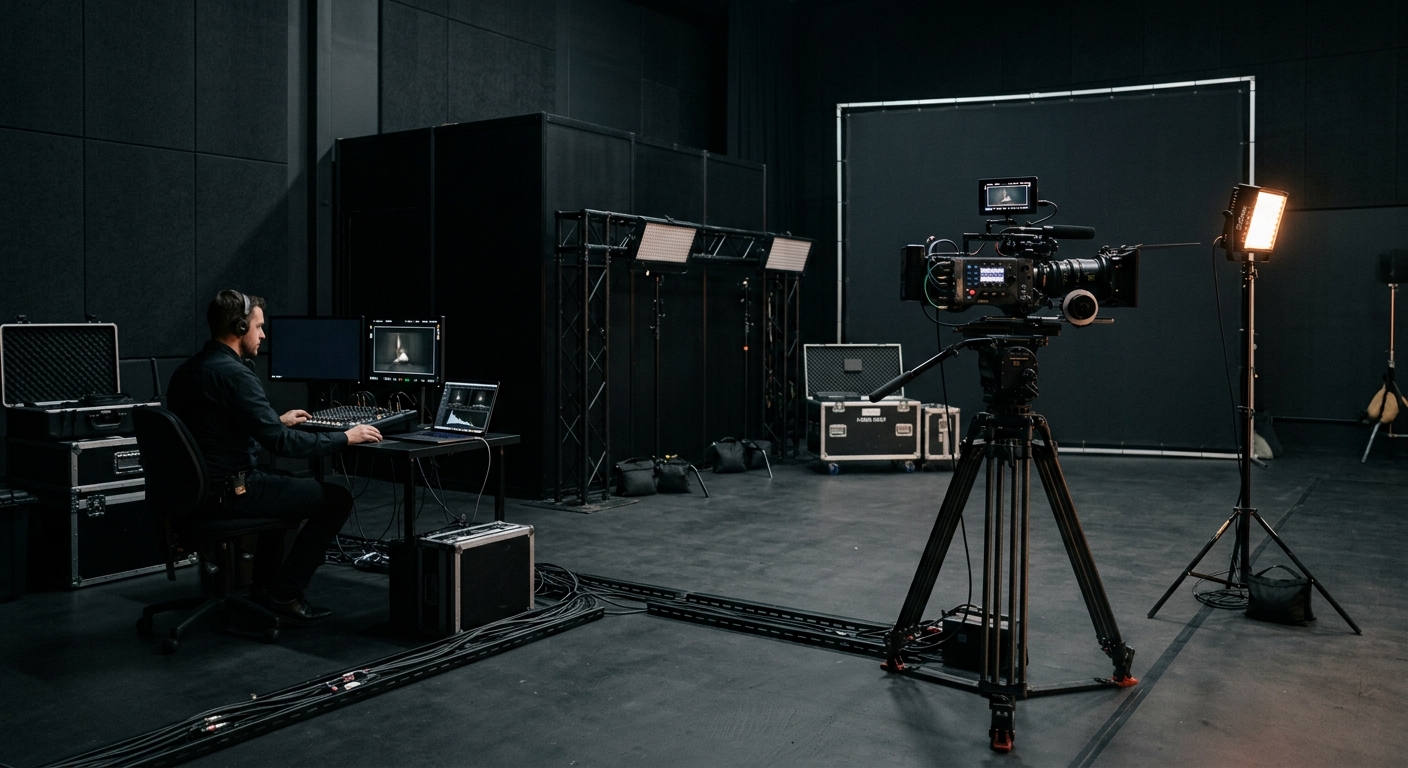
Production: Film live action, interviews, and drone footage with a professional crew.
-
Postproduction: Edit raw video footage into a coherent final story, add motion graphics, sound design, color grading, and finalize.
-
Delivery & Distribution: Produce versions adapted for multiple formats, including YouTube distribution, and plan promotional strategies.
Strategic Use & Measurement
Align video types with sales funnel stages: awareness, consideration, decision, and post-sale, and create videos with each funnel stage and distribution channel in mind. Each video should have a clear call to action. Measure success using relevant KPIs such as view rates, demo requests, pipeline influence, training completion, and application volume, along with platform-appropriate distribution across your website, email, and social media.
Budget tiers vary from $2,000 to $50,000+ depending on project scope, complexity, production quality, the needs of your industry, and whether the goal is a quick explainer or a more impactful video.
Common Corporate Video Mistakes
-
Focusing on the company instead of the audience
When a corporate video centers only on your brand, it can miss the viewer’s actual questions, priorities, and objections. Start with what your audience needs to understand, feel, or do next. -
Over-scripting and losing authenticity
A polished script matters, but overly rigid delivery can make interviews, testimonials, and on-camera messaging feel flat. Leave room for natural phrasing so the final piece sounds credible and human. -
Trying to cover too much in one video
Packing in every message often weakens clarity and makes the piece harder to follow. Prioritize one main goal and support it with only the most important points. -
Ignoring shorter attention spans
On digital channels, limited attention spans can reduce completion and response rates when messaging drags or tries to do too much. Keeping the message concise helps viewers stay engaged long enough to act. -
Neglecting production quality where it counts
Not every project needs a massive crew, but poor audio, weak lighting, or inconsistent editing can undermine trust quickly. Focus your budget on the elements that most affect viewer perception. -
Delaying distribution planning
A strong video can still underperform if you do not plan for where and how it will be used. Think through format, length, platform requirements, and campaign goals before production begins.
Conclusion and Next Steps
Corporate video is a strategic tool for building brand awareness, educating audiences, driving conversions, aligning employees, and communicating with stakeholders. Success depends on clear objectives, audience focus, and multi-channel readiness.
Next steps:
-
Audit your video assets for gaps across the funnel.
-
Select a priority video project.
-
Draft a brief with target audience, goals, key message, and distribution plan.
-
Decide which production tasks to handle internally versus outsourcing.
-
Establish baseline metrics to track success.
Granite River Studios offers end-to-end corporate video production services for B2B brands in Greater Boston and Southern New Hampshire, helping create impactful videos that drive measurable results.
Frequently Asked Questions
-
How long should a corporate video be? Most concise corporate videos should aim for 1–2 minutes. Brand stories: 60–120 seconds; testimonials: 2–4 minutes; training modules: 5–10 minutes.
-
What kinds of corporate video examples should we review? Review corporate video examples that show how the best corporate work performs across formats, including brand stories, testimonials, explainer content, and recruitment pieces. The best corporate videos are usually the ones that turn a clear message into a memorable visual story.
-
How far in advance should we plan? Standard projects: 4–6 weeks; complex projects: 8–12 weeks.
-
What does a video studio need to start? Business goals, target audience, key message, brand identity, brand guidelines, budget, timeline, and decision-maker contacts.
-
Should we use professional actors or employees? Use real people for authenticity; hire professionals for complex scripts or demanding performances.
-
How do we measure success? Use metrics aligned with video objectives, such as view rates, conversions, and training completion.
-
How does Granite River Studios support ongoing needs? We provide full production services and long-term content planning to meet evolving business goals, including repurposing for the web and the wider world with channel-specific edits as needed.