Introduction
The value of creative in video ad production cannot be overstated, as ad creativity represents the strategic blend of visual storytelling, compelling messaging, and innovative concepts that capture your target audience’s attention and drive conversions. In a landscape where consumers encounter thousands of ad impressions daily, the quality of your creative work makes all the difference between being remembered and being ignored.
Ad creative plays a vital role in capturing attention, engaging audiences, and driving conversions, making it a core element of any successful advertising campaign.
This guide covers creative strategy, visual execution, copywriting, video production, and performance optimization for advertising campaigns across digital advertising channels. It’s designed for marketing managers, creative directors, brand managers, and creative teams seeking to elevate their output. Technical ad operations and media buying fall outside this scope—we focus entirely on what makes ad creatives memorable and effective.
Ad creativity is the art and science of developing advertising content that resonates emotionally with audiences while achieving measurable business objectives. Creative concepts are what people remember long after the campaign ends, making creative quality the single most controllable lever for campaign performance. In fact, creativity influences 56% of a campaign’s sales ROI, underscoring how a well crafted ad creative is essential for a campaign’s success. Ad creatives serve as the face of your brand that the audience sees, making them crucial for effective marketing campaigns.
By the end of this guide, you will:
- Understand the psychological foundations that make creative advertising work
- Master video and visual strategies that capture attention within seconds
- Implement systematic creative processes that balance innovation with consistency
- Measure creative impact using real performance data
- Overcome common challenges that limit creative teams
Understanding Creative Fundamentals
Ad creativity sits at the intersection of artistic expression and strategic communication—it’s what transforms ordinary brand messages into memorable experiences that drive action. While targeting and media placement matter, research consistently shows that creative quality explains 40-50% of advertising effectiveness, making it the largest controllable factor in campaign success.
Effective ad creatives are built on several key elements that ensure they capture attention and communicate the intended message. Good ad creatives have four key elements: attention-grabbing visuals, clear messaging, a strong value proposition, and a compelling call to action.
Creative concepts are what people remember. A distinctive visual style, an unexpected narrative turn, a perfectly timed piece of humor—these elements create lasting impressions that build brand recall over time. When your creative work resonates, it doesn’t just generate clicks; it builds mental availability, ensuring your brand comes to mind when buying decisions happen. Ad creatives should be tailored to resonate with the target audience to optimize return on ad spend (ROAS).
The connection between creativity and conversion rates is direct: compelling ad creatives generate higher engagement, which improves auction performance across ad networks, reducing your effective cost per outcome. Strong creative multiplies every dollar of ad spend.
The Psychology of Creative Impact on the Target Audience
Visual storytelling triggers emotional responses that bypass rational evaluation and embed directly into memory. Ad creatives are designed to capture the audience’s attention quickly and effectively. When audiences encounter ad content that surprises, delights, or authentically connects with their experiences, their brains release dopamine, strengthening memory formation and positive brand associations.
The role of surprise in creative advertising cannot be overstated. Ads that subvert expectations—through unexpected visual treatments, counterintuitive messaging, or genuine humor—break through the defensive filters audiences have developed against conventional advertising. Capturing the target audience’s attention is essential for overcoming these filters and driving engagement. This is why true creativity matters more than production budgets alone.
Authenticity plays a crucial role in creative engagement, particularly with younger audiences who have grown up recognizing and dismissing polished corporate messaging. User-generated content styles, creator partnerships, and honest brand voice often outperform slick but sterile executions because they feel human and trustworthy.
A great ad creative helps catch the attention of your readers, educates them about what you’re offering, and guides them to take the next steps to convert from a lead to a customer.
Creative Quality Standards
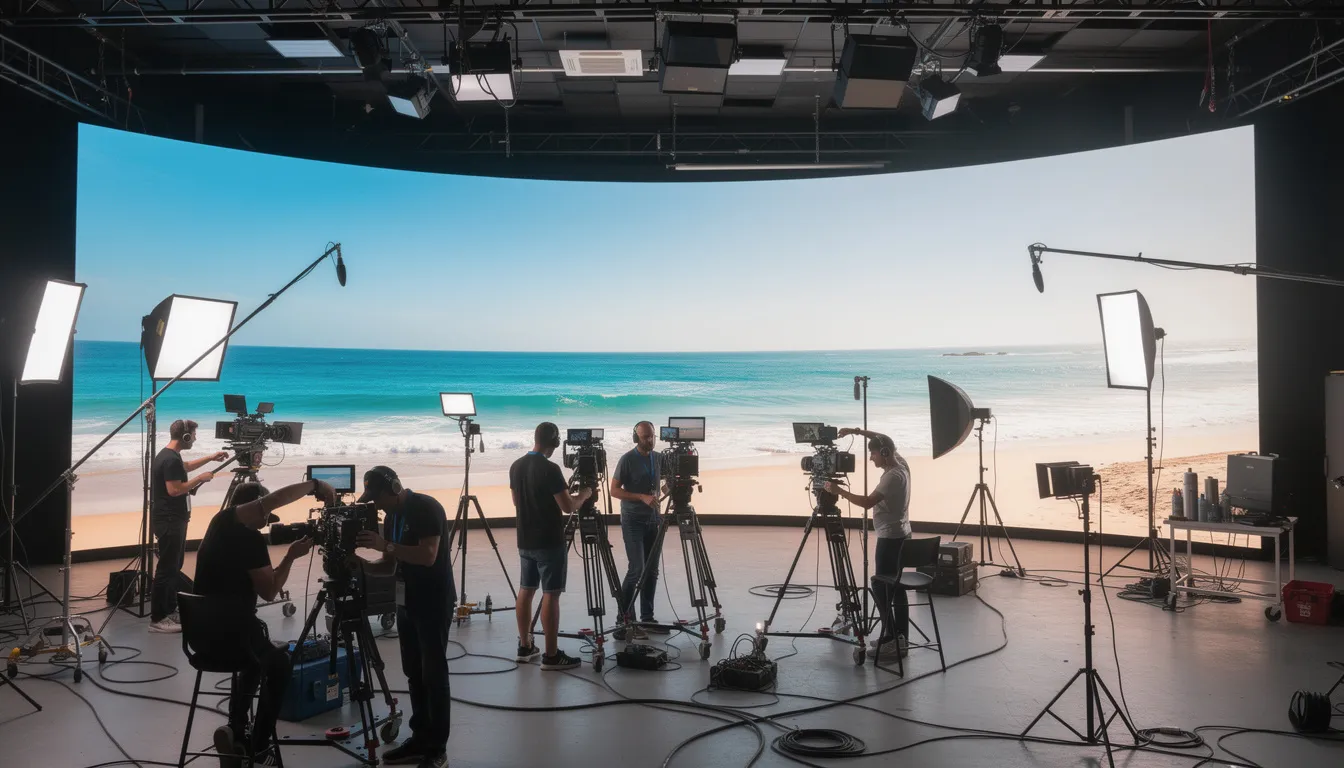
Video quality matters. High-quality creative execution encompasses both technical excellence and conceptual strength—a professionally shot video with a weak concept fails just as surely as a brilliant idea captured on a phone with terrible audio. Using high-quality images is essential for ensuring your ad stands out and effectively communicates your message.
Technical standards for ad creatives include:
- Video resolution appropriate for the platform (1080p minimum for most contexts)
- Clear, well-mixed audio with balanced voice, music, and effects
- Professional lighting that ensures subjects are clearly visible
- Smooth editing with purposeful pacing
- Legible text overlays with sufficient contrast
Using high-quality images and vibrant colors can significantly enhance the visual appeal and engagement of ad creatives.
The relationship between production quality and audience perception is substantial. Viewers unconsciously assess brand credibility based on creative execution quality. In categories where professionalism signals competence—financial services, healthcare, B2B technology—technical quality directly impacts trust. Even in categories where “lo-fi” aesthetics work, there’s a difference between deliberate stylistic choices and genuinely poor execution.
Maintaining a consistent visual style across all ads helps build brand recognition and trust.
Creative Formats and Applications for Ad Creatives
Different ad formats serve distinct marketing objectives and require tailored creative approaches. Ad creative plays a vital role in the effectiveness of different ad formats by capturing attention, engaging the audience, and encouraging conversions through visual, textual, and interactive elements. Ad creatives are used in a variety of digital advertising channels, including social media, search engines, display networks, and mobile apps. Understanding when to deploy specific formats—and how to execute each with excellence—significantly enhances campaign performance across marketing channels.
The format you choose should match your audience’s context, your message complexity, and your campaign goals. Video excels at storytelling and demonstration; static imagery delivers immediate impact in constrained environments; interactive elements drive engagement and memorability.
Video Creative Excellence
Video is where creative matters most intensely. The first three seconds determine whether your audience watches or scrolls—this window must immediately establish relevance, intrigue, or value without relying on gradual build-up.
Storytelling frameworks for effective video:
- Hook-Problem-Solution: Lead with attention-grabbing visual or statement, establish the pain point, demonstrate your product or service as the resolution
- Before-After-Bridge: Show the current state, reveal the transformed state, explain how to get there
- Character-Journey: Follow a relatable protagonist through a challenge your brand helps solve
Brand-narrative videos focus on telling a compelling story about the brand, its values, mission, and the emotions it aims to evoke. Full-image canvas imagery utilizes high-resolution, immersive visuals that take up the entire ad space to deliver a powerful visual message.
Technical considerations for video quality extend beyond resolution. Lighting should flatter subjects while maintaining visibility across screen sizes. Sound design—often undervalued—can make all the difference in perceived professionalism. Since many social media videos autoplay muted, visual clarity and on-screen text must carry the message independently.
Video ads tailored for social media campaigns, such as those on Facebook and TikTok, are especially effective at engaging audiences and enhancing brand visibility. For short-form video on platforms like TikTok and Reels, pacing expectations differ dramatically from traditional advertising. Quick cuts, pattern interrupts, and native-feeling transitions outperform cinematic approaches. The creative challenge is maintaining brand identity while respecting platform conventions.
Static Visual Creativity
Static ad creatives remain essential elements across display networks, social media feeds, and native advertising placements. Creating compelling ad creatives in static format requires immediate visual impact since you have only a fraction of a second to capture attention.
Marketers can quickly create ads in various static formats by using templates and tools, which streamline the process and ensure consistency across campaigns. Product carousels allow advertisers to showcase multiple products or different aspects of a single product within a single ad unit, increasing engagement and providing more information to potential customers.
Design principles for high performing ad creatives:
- Single focal point that draws the eye immediately
- Clear visual hierarchy guiding attention from primary message to call to action
- Sufficient negative space to prevent cognitive overload
- Brand colors and typography applied consistently for recognition
Color psychology influences audience response more than most advertisers realize. Warm colors create urgency and energy; cool colors suggest trust and professionalism. Typography choices communicate brand personality—serif fonts feel established and traditional, while sans-serif reads as modern and accessible. These decisions should align with your brand message and target audience expectations.
Visual hierarchy is particularly crucial in constrained formats. When creating ads for mobile feeds, the most important information must be immediately apparent. High quality visuals with cluttered compositions fail because audiences process them as noise.
Interactive Creative Concepts for Social Media Campaigns
Interactive elements transform passive viewers into active participants, dramatically increasing engagement and memorability. Gamification—quizzes, polls, swipeable carousels, playable demos—gives audiences agency, making the advertising experience feel less intrusive. For example, a fitness app can incorporate gamified experiences such as challenges and rewards to motivate users to take a desired action, like signing up or exploring new features.
User-generated content integration strategies leverage your customers’ authentic voices. Featuring real customer videos, reviews, or social posts within ad creatives builds credibility and provides social proof. This approach works particularly well for products where peer recommendation influences decision making.
Chatbots integrated into ads provide real-time, interactive conversations with users, enhancing user engagement by offering personalized assistance. Cinemagraphs are hybrid images that combine static photography with subtle, repeated motion in specific areas to create a captivating visual effect. Product 360s offer an interactive, all-around view of a product, allowing users to rotate and examine it from every angle.
Augmented reality experiences represent an emerging frontier for creative advertising. Virtual try-ons for fashion and cosmetics, furniture placement visualizations, and interactive product demonstrations create memorable experiences that drive both engagement and conversion. While production costs remain higher than traditional formats, AR creative assets often significantly enhance brand recall and purchase intent.
Creative Development Process and Optimization
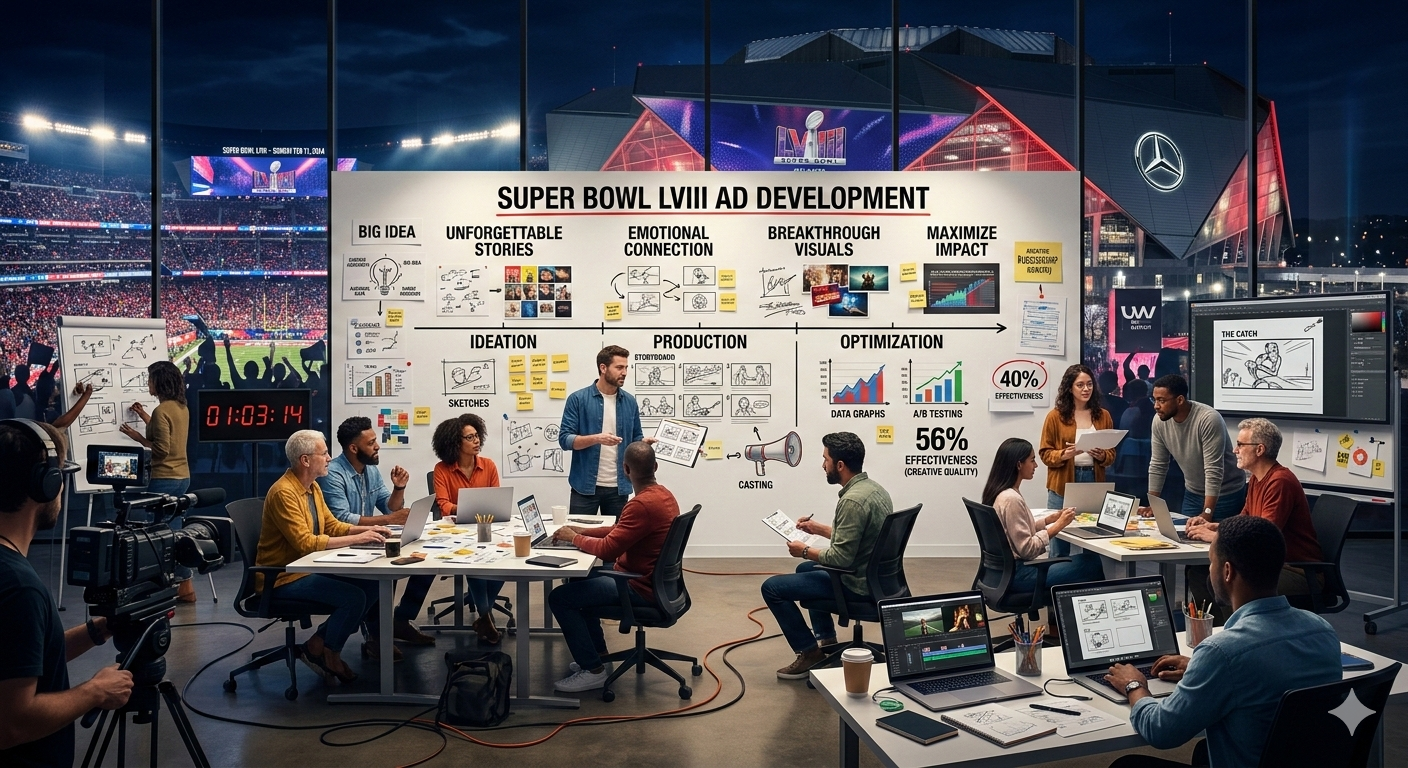
A systematic approach to creative development balances innovation with strategic objectives. The most effective creative teams use structured processes that encourage divergent thinking while maintaining alignment with business objectives and brand guidelines. Within these processes, developing and testing ad creative plays—distinct visual, textual, or interactive elements designed to capture attention and drive engagement—can significantly improve campaign effectiveness.
This framework ensures creative work pushes boundaries without losing strategic coherence—where many campaigns fail is in treating creativity as either purely intuitive or purely data-driven, when excellence requires both. A/B testing, which involves creating multiple versions of your ad to determine which performs better, is a key method for optimizing the performance of your ad creativity.
Creative Ideation and Concept Development
Structured ideation processes produce more consistent creative quality than relying on inspiration alone. Starting with a deep understanding of your audience and objectives creates the foundation for concepts that resonate.
Step-by-step creative development process:
- Audience insight gathering and persona development: Build detailed buyer personas that go beyond demographics to capture motivations, pain points, and media behaviors. Understanding your target audience at this depth informs every creative decision. Reaching the right audience is crucial for higher conversions, and advanced targeting options help ensure your ads are seen by the most likely prospects. AI can generate detailed buyer personas based on real website data, allowing marketers to refine targeting and optimize ad strategies.
- Creative brief creation with clear objectives and constraints: Document the value proposition, key messages, tone requirements, mandatory brand elements, and success metrics. A well-crafted creative brief prevents misalignment and reduces revision cycles.
- Concept exploration using divergent thinking techniques: Generate multiple distinct creative directions before evaluating any. Techniques like “worst possible idea” reversals or forced analogy exercises push teams beyond obvious solutions.
- Concept evaluation against strategic criteria and creative standards: Assess concepts against brief requirements, but also evaluate for distinctiveness and memorability. The question isn’t just “does this meet requirements?” but “will this be remembered?”
- Prototype development and internal stakeholder feedback: Create rough versions sufficient to communicate the concept before investing in full production. Early feedback prevents expensive late-stage changes.
Creative Testing and Campaign Performance Analysis
Data-driven insights should inform creative development without replacing creative judgment. Testing reveals which concepts and executions resonate with your target audience, enabling continuous optimization based on real performance data.
| Testing Method | Timeline | Sample Size | Best Use Case |
|---|---|---|---|
| A/B Split Tests | 7-14 days | 1,000+ per variant | Comparing 2-3 creative concepts |
| Multivariate Testing | 14-30 days | 5,000+ total | Testing multiple creative elements simultaneously |
| Focus Groups | 3-5 days | 20-50 participants | Early concept validation before production |
| Social Listening | Ongoing | Unlimited | Real-time sentiment tracking and trend identification |
Choose testing methods based on campaign scope and timeline. For major campaign launches, invest in concept testing before production to validate directions. For ongoing performance campaigns, continuous A/B testing identifies winning creative variants efficiently.
When interpreting results, look beyond click through rate to assess quality of engagement and downstream conversion. High-CTR creative that drives poor landing page conversion or low-quality leads may indicate clickbait tendencies that damage brand perception. Advanced analytics connecting creative variants to sales data reveal true performance impact.
Ad Creative Copy and Brand Voice
Ad creative copy is the linchpin of creating compelling ad creatives that truly connect with your target audience. The words you choose—and how you say them—can make all the difference in whether your advertising campaigns capture attention or fade into the background. Effective ad copy should clearly articulate your product or service’s value proposition, addressing the audience’s needs, desires, or pain points in a way that feels both relevant and persuasive.
Equally important is your brand voice: the consistent tone, language, and personality that infuse every piece of ad content. Whether your brand is playful, authoritative, empathetic, or bold, maintaining a unified brand voice across all marketing channels is essential for building brand loyalty and recognition. Consistency in voice helps audiences instantly identify your brand, fostering trust and making your messaging more memorable.
When crafting ad copy, focus on clarity and brevity—every word should serve a purpose. Use language that resonates with your audience’s worldview, and don’t shy away from emotional triggers that inspire action. A strong call to action (CTA) is vital, guiding the audience toward the desired next step, whether it’s learning more, signing up, or making a purchase.
Ultimately, well-crafted ad copy and a distinctive brand voice are foundational to compelling ad creatives. They enable your advertising to stand out in crowded feeds, reinforce your brand identity, and drive meaningful engagement with your audience.
Advertising Campaigns and Ad Networks
The success of advertising campaigns hinges on the strength of your ad creatives and how effectively they’re distributed across ad networks. Ad networks—including social media platforms, display networks, and mobile apps—serve as the bridge between your brand and your target audience, amplifying your message to the right people at the right time.
To develop high-performing ad creatives, it’s crucial to start with a deep understanding of your target audience: their preferences, behaviors, and motivations. Leveraging data-driven insights and advanced analytics allows you to tailor your creative approach, ensuring your ads resonate and drive action. This audience-centric strategy not only improves campaign performance but also maximizes the impact of your ad spend.
Well-crafted ad creatives can significantly enhance the effectiveness of your advertising campaigns, leading to higher conversion rates, increased lead generation, and stronger brand recall. By continuously optimizing your creatives based on real performance data, you can refine your messaging and creative assets to better align with your business objectives.
In today’s competitive digital landscape, the synergy between compelling ad creatives, strategic audience targeting, and smart use of ad networks is what sets successful campaigns apart. Investing in creative excellence and data-driven optimization ensures your advertising efforts deliver measurable results and lasting brand impact.
Advanced Ad Creative Techniques
To stay ahead in the ever-evolving ad game, marketers are increasingly turning to advanced ad creative techniques that push the boundaries of audience engagement. Incorporating interactive elements—such as quizzes, polls, or swipeable carousels—transforms passive viewers into active participants, making your ad creatives more memorable and impactful.
Augmented reality (AR) is another powerful tool, enabling brands to create immersive experiences that capture the audience’s attention and leave a lasting impression. Whether it’s virtual try-ons, interactive product demos, or branded AR filters, these high-quality visuals and interactive features can set your campaigns apart from the competition.
The foundation of these advanced techniques remains the same: compelling ad copy, clear calls-to-action, and a deep understanding of your target audience. By analyzing real performance data and sales data, you can continuously optimize your ad creatives, ensuring they drive the desired outcomes and maximize return on investment.
Continuous testing and refinement are essential—what works today may not work tomorrow. By embracing new creative formats, leveraging the latest technologies, and staying attuned to audience preferences, you can ensure your marketing campaigns remain fresh, effective, and ahead of the curve. Advanced ad creative techniques, when executed thoughtfully, can transform your advertising from ordinary to extraordinary, delivering both immediate results and long-term brand value.
Common Creative Challenges and Solutions
Creative teams face consistent obstacles that can be systematically addressed. Recognizing these patterns and having established solutions accelerates problem-solving and reduces creative friction.
Maintaining Creative Quality Under Tight Deadlines
The biggest challenge for many teams is producing visually appealing, strategically sound creative assets under constant time pressure. Speed without quality damages brand perception and wastes ad spend on underperforming assets.
Solution: Develop creative asset libraries and templates that accelerate production while maintaining brand standards. Modular design systems allow rapid assembly of high-quality creatives from pre-approved components. Implement streamlined approval workflows that reduce revision cycles—clear decision rights and limited stakeholders prevent the “design by committee” delays that consume creative timelines.
Balancing Creativity with Performance Requirements
Performance pressure can push creative teams toward formulaic approaches that optimize short-term metrics but erode brand distinctiveness. The tension between innovation and predictability is real, but false.
Solution: Use data-informed creative strategies that combine analytical insights with innovative concepts. Start with what data shows about audience response patterns, but treat these as constraints that focus creativity rather than templates to replicate. Create modular creative frameworks that allow performance optimization of specific elements (headlines, CTAs, color variants) without sacrificing the distinctive concept at the core.
Scaling Creative Production Across Multiple Channels
Modern marketing campaigns require creative adaptation across different platforms, each with distinct specifications and audience behaviors. Producing platform-specific variations while maintaining brand consistency strains resources.
Solution: Develop master creative concepts designed from the start for multi-platform adaptation. When concepting, consider how the core idea translates to vertical video, static imagery, and different aspect ratios. Invest in cross-functional team training to ensure consistent creative execution across production workflows. Build production processes that create high-resolution masters from which platform variants derive.
Conclusion and Next Steps
Memorable ad creativity combines strategic thinking, high production values, and audience-centric storytelling. Creative concepts are what people remember—distinctive ideas executed with craft and care build brand equity while driving immediate performance. In a world where audiences can skip, scroll past, or ignore anything that doesn’t earn attention, creative quality determines marketing efforts’ success or failure.
Immediate next steps:
- Audit current creative assets for quality standards and audience resonance: Review your active advertising campaigns against the technical and conceptual standards outlined here. Identify gaps and prioritize improvements.
- Establish creative testing protocols for systematic optimization: Implement A/B testing frameworks that evaluate both concept-level differences and specific elements variations.
- Develop creative brief templates that prioritize memorable concept development: Ensure briefs explicitly require evaluation of distinctiveness and memorability, not just strategic alignment.
- Invest in video production capabilities that meet professional quality standards: Whether through internal team development, agency partnerships, or production vendor relationships, ensure you can execute video that reflects well on your brand.
For teams ready to push further, emerging areas worth exploration include AI-assisted creative development for rapid variant generation, advanced personalization through dynamic creative optimization, and emerging format adoption for competitive advantage.
Additional Resources
Creative Brief Template Essentials:
- Business objective and success metrics
- Target audience definition with psychographic depth
- Core value proposition and proof points
- Mandatory brand elements (logo usage, brand colors, typography)
- Creative territory guidance and competitive differentiation
- Deliverable specifications by platform
Video Production Quality Checklist:
- Minimum 1080p resolution for social, 4K for broadcast/CTV
- Audio levels balanced (voice: -12dB to -6dB, music: -18dB to -12dB)
- Subtitles/captions for muted viewing contexts
- Brand identifier visible within first 5 seconds
- Clear CTA with sufficient duration for comprehension
- Platform-specific safe zones respected
Creative Performance Metrics:
- Attention metrics: View-through rate, average watch time, scroll-stop rate
- Engagement metrics: Click through rate, interaction rate, share rate
- Brand metrics: Ad recall lift, brand awareness lift, message association
- Conversion metrics: Conversion rate by creative variant, cost per acquisition, ROAS
Track these metrics consistently to build a data foundation for informed decisions about creative investment and direction.