

Campaigns using video consistently outperform text-only and image-only campaigns across every major channel—email, social, web, OTT, and CTV. In 2025, this isn’t speculation. It’s documented reality backed by years of performance data and behavioral research. If you want to drive marketing effectiveness with video, and you’re still treating video as a nice-to-have rather than a core marketing tool and a key part of your marketing toolkit, you’re leaving measurable business outcomes on the table.
Video marketing can deliver up to 10x return on investment, and 93 percent of marketers report that video marketing has provided them with a positive return on investment. Marketers who use video in their campaigns see 34% higher conversion rates than those who don’t, making video a proven driver of both return on investment and conversion rates.
In fact, 89 percent of businesses use video as a marketing tool, underscoring its widespread adoption and strategic importance.
Why Video Supercharges Marketing Effectiveness in 2025–2026
The numbers tell a compelling story. Landing pages featuring video content convert anywhere from 34% to 80% better than those without. Emails referencing video in subject lines see approximately 19% higher open rates and click through rates that can jump as high as 65%. These aren’t marginal improvements—they represent the difference between campaigns that hit marketing goals and those that fall flat.
Why does video work this well? The answer lies in how human brains process information. We’re wired for motion and faces. Visual and auditory processing in videos engages multiple brain regions simultaneously, leading to retention rates that text simply cannot match. Research shows people remember over 80% of what they see versus just 20% of what they read. This is the picture superiority effect in action, and it explains why 93% of video marketers report that video content increases user understanding of their product or service.
There’s also an emotional component that static formats struggle to replicate. When viewers watch real people speaking, their mirror neurons fire, creating empathy and connection. This is why 84% of consumers say they want more brand videos from the companies they support—a figure that has held steady for eight consecutive years. Video doesn’t just communicate information; it builds relationships.
At Granite River Studios, we help brands across Greater Boston and Southern New Hampshire transform this behavioral reality into campaign results. As a full-service B2B video production partner, our focus is on creating video assets that drive measurable business growth—not just views.
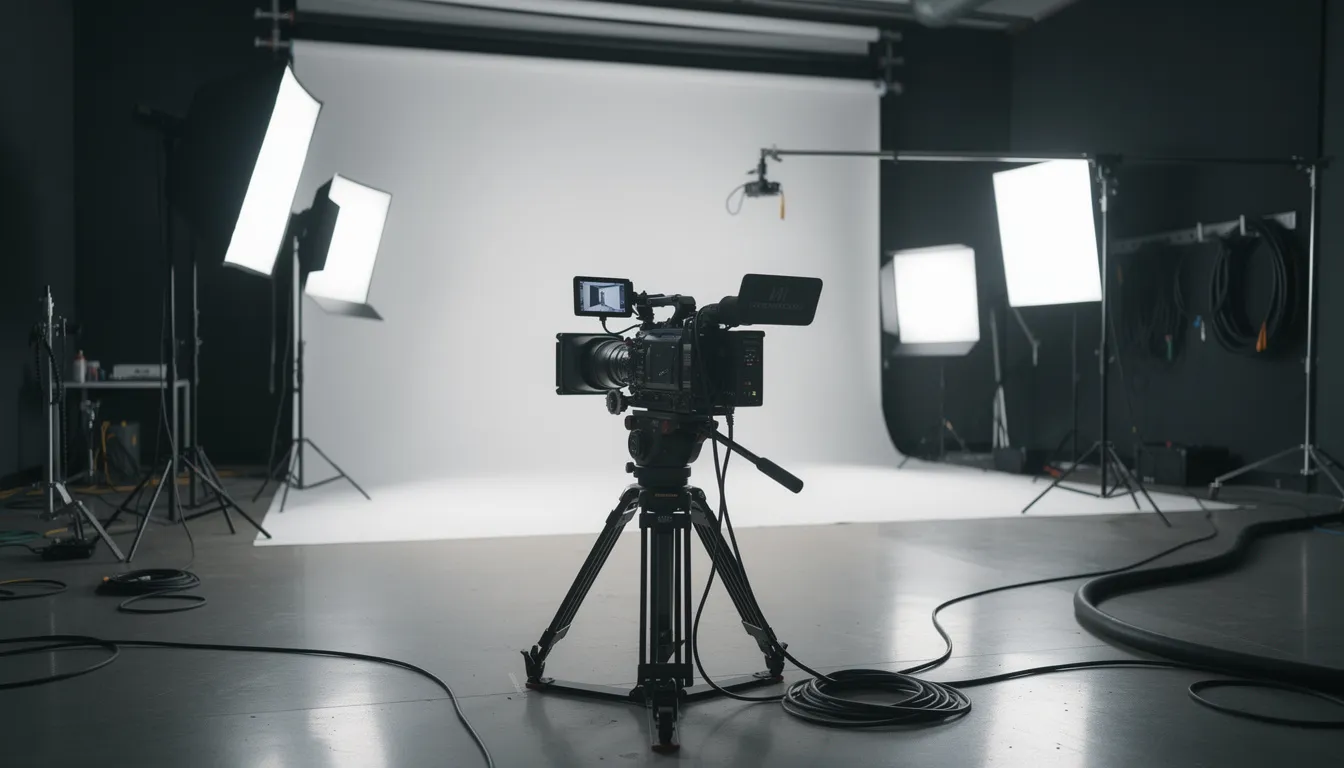
Core Video Elements That Drive Marketing Performance
Not all videos deliver equal results. The difference between a video that drives conversions and one that gets skipped comes down to specific creative and structural elements that consistently boost watch time, audience engagement, and action. While creative ideas are essential, they must be supported by a well-structured video marketing strategy to achieve measurable results.
These core elements include: clarity of objective, a hook within the first 3–5 seconds, authentic human presence, a strong narrative arc, consistent brand cues, a focused call to action, and channel-specific framing. Whether the asset runs as a six-second bumper on YouTube, a thirty-second CTV spot targeting the Boston DMA, or a ninety-second LinkedIn explainer video, these fundamentals remain constant.
The sections below break down each element with practical guidance for marketers and creative teams looking to create videos that actually perform.
1. Clarity of Objective and KPIs
Every video in your campaign should be tied to a single dominant goal. Trying to accomplish awareness, consideration, and conversion in one sixty-second spot dilutes all three. Effective video marketing starts with defining whether you’re optimizing for reach and completed views (awareness), site visits and time on page (consideration), or form fills and demo requests (conversion).
Establishing clear metrics and tracking systems is essential for measuring ROI in video marketing. By setting up robust analytics, you can accurately assess performance and make data-driven decisions. The ROI formula for video marketing is (Revenue from Video – Total Cost of Video) / Total Cost of Video x 100, providing a straightforward way to evaluate the return on your investment.
For a B2B lead generation campaign, this might mean setting a target of 20% improvement in demo request conversion rates from a product page featuring a new explainer video. Your key metrics here would include play rate, which measures the percentage of people who click “play” after seeing the video thumbnail; watch time percentage; retention rate, which helps identify drop-off points where viewers stop watching; and the downstream conversion rate tracked through video analytics tools connected to your CRM. Click-through rate (CTR) monitors the effectiveness of calls-to-action (CTAs) in your video content. Behavioral data like audience retention curves can be used to find drop-off points in video viewership, helping you refine your content. Conversion tracking can also utilize unique promotional codes or UTM links inserted into video descriptions to attribute results more accurately.
For a regional brand awareness campaign, the video marketing strategy might focus on a CTV spot targeting the Greater Boston DMA, with success measured by incremental reach and brand lift studies. Historical data from platforms like Wistia and industry reports from Wyzowl provide benchmarks to measure against.
If viewer retention is low, content refinement should focus on improving the initial “hook” to better capture and hold attention.
At Granite River Studios, we help clients lock in KPIs before scripting begins. This ensures that creative decisions and media planning work backwards from measurable business outcomes rather than aesthetic preferences. When your video strategy starts with the end goal, every production choice serves that objective.
2. The 3–5 Second Hook
Attention drops sharply after the first few seconds on platforms like YouTube, TikTok, Instagram Reels, and in-feed LinkedIn. With average attention spans now hovering around eight seconds, your opening frames carry disproportionate weight in determining whether anyone sees your message at all.
Effective hook tactics include starting with a bold claim that challenges assumptions, a visual surprise (such as a drone reveal over the Boston skyline), a direct question that speaks to your target audience’s pain points, or an immediate problem statement that creates tension. The worst approach is a generic logo animation or a slow fade-in on stock footage—openings that give viewers zero reason to keep watching.
Consider the difference between these two openings for a B2B manufacturing video: “Welcome to our company. We’ve been in business since 1985…” versus “Your production line loses $47,000 every hour it’s down. Here’s how to cut unplanned downtime by 60%.” The first is forgettable. The second creates immediate relevance and stakes. Even for OTT and CTV environments where viewers are more engaged, opening frames matter significantly for recall and brand lift, according to Nielsen research on ad effectiveness.
3. Human Storytelling and Emotional Arc
People remember stories about people far more than they remember product specifications. This isn’t sentiment—it’s neuroscience. Mirror neurons and emotional arcs make video persuasive in ways that feature lists and data sheets cannot replicate. This is why customer testimonials and brand anthem videos consistently outperform generic corporate messaging.
The most effective video content follows a simple story arc: relatable problem, tension or obstacle, moment of insight, and resolution featuring the brand as enabler rather than hero. The brand becomes the guide that helps the protagonist (your customer) achieve their goal.
Consider a New England manufacturer that worked with our team to produce a ninety-second customer story video. Instead of listing product features, the video followed a plant manager explaining how equipment failures were costing his team overtime and customer trust. The story showed the problem, the search for a solution, and the measurable results after implementation. Demo requests increased by 34% in the quarter following the video’s deployment across their landing pages and email nurture sequences.
At Granite River Studios, our focus on compelling stories that define brands stems from this behavioral reality. We help clients identify the human stories within their organizations—whether that’s through testimonial videos, brand anthems, or leadership videos featuring founders and executives—and translate those stories into video assets that create emotional connection and drive action.
4. Visual Identity, Motion Graphics, and Animation
Consistent visual identity across all video assets increases brand recall whether viewers encounter your content on social media platforms, your website, connected TV, or broadcast. This means carrying your colors, logo, lower thirds, and typography through every piece of video content in your marketing mix.
Motion graphics and animation shine particularly bright in B2B contexts where offerings are complex. Explainer videos using animation can transform dense technical information into engaging visual narratives. Data visualization becomes accessible. Slide decks become dynamic stories. For companies selling software, professional services, or industrial equipment, animation often communicates value propositions more clearly than live footage alone.
One of our clients used an animated product walkthrough both on their homepage and within email nurtures. The video simplified a complex SaaS platform into a two-minute visual journey. Click-to-lead rates on emails featuring the video increased by 28% compared to text-only versions. The same asset, reformatted for social, drove paid campaign performance improvements across LinkedIn and YouTube.
Granite River Studios designs motion graphics and animation that adapt brand guidelines into dynamic video toolkits. This means your brand identity remains consistent across every distribution channel while taking advantage of animation’s ability to simplify and engage.
5. Sound, Voiceover, and Captions
Sound strategy varies dramatically by channel. On social media sites like LinkedIn, Instagram, and Facebook, 80–90% of video views happen with sound off. Viewers scroll through feeds in public spaces, in meetings, or while watching TV. If your video depends entirely on audio to communicate, you’ve lost most of your audience before they hear a word.
Conversely, OTT/CTV and YouTube pre-roll environments are predominantly sound-on. Here, voiceover tone becomes critical. An authoritative voiceover communicates expertise for B2B professional videos, while a conversational tone might better suit consumer-facing content. Music tempo and mood shape perceived brand personality and viewer retention.
The solution for cross-channel deployment is designing videos that work both ways. Burned-in captions and on-screen text keep silent scrollers engaged on social feeds, while well-crafted voiceover and music enhance the experience for viewers watching with sound. We’ve seen A/B tests where a video with dense voiceover and no text performed 40% worse on completion rates than the same video with concise voiceover, captions, and bold on-screen copy. The hybrid approach respects both viewing environments.
6. Calls to Action and Next-Step Design
Effective video marketing campaigns don’t just entertain—they create frictionless next steps. Whether that’s clicking through to a landing page, scheduling a demo, signing up for a webinar, or scanning a QR code during a CTV spot, the path from watching to acting should be obvious and easy.
For a regional CTV campaign, this might mean a prominent QR code driving viewers to a limited-time offer page optimized for mobile. For YouTube ads, end cards can drive directly to a demo request form. For webinars and long-form content, mid-roll CTAs at strategic moments capture interest while engagement is high.
The strength of your CTA should match the customer journey stage. Awareness-focused content calls for softer CTAs like “learn more” or “explore our approach.” Retargeting sequences aimed at potential customers who’ve already engaged can push harder with “book a 30-minute strategy session” or “request a custom quote.” At Granite River Studios, we build CTA logic into scripting, framing, and graphic design, coordinating with clients’ marketing automation flows so that every video connects to the next step in the buying journey.
Building a Content Framework for Video Marketing
A successful video marketing strategy starts with a well-defined content framework—one that ensures every piece of video content serves a clear purpose and speaks directly to your target audience. Begin by identifying the core themes and topics that matter most to your business and your customers. These might include product education, industry trends, customer success stories, or leadership insights.
Next, map these themes to specific video types that align with your marketing objectives and the stages of the customer journey. For example, explainer videos are ideal for building awareness and simplifying complex offerings, while how to videos provide practical value and nurture leads further down the funnel. Leadership videos can humanize your brand and establish authority, especially in B2B contexts where trust is paramount.
To keep your video content marketing efforts consistent and effective, develop a content calendar that balances these video types across your distribution channels. Use video analytics tools to monitor performance—tracking metrics like watch time, engagement, and conversion rates. This data-driven approach allows you to refine your content framework over time, doubling down on what resonates and adjusting where needed.
By building a robust content framework, you ensure that your video marketing not only supports your broader content marketing strategy but also delivers measurable business outcomes at every stage of the customer journey.
Key Channels Where Video Lifts Marketing Effectiveness
Different distribution channels offer unique strengths for video content marketing. OTT and CTV provide high-impact, lean-back viewing environments. Social media platforms enable discovery and sharing. Websites and landing pages convert interest into action. Email campaigns drive engagement and nurture relationships. Creating video content with a clear strategy for each channel ensures that your videos align with business goals and maximize marketing effectiveness.
The most effective video marketing strategies don’t choose one channel—they combine multiple platforms with content adapted for each. This means tailoring aspect ratios, length, and storytelling style to match where your target audience will encounter the content.
Granite River Studios delivers across broadcast, OTT/CTV, web, and social, helping New England brands reach audiences wherever they’re watching.

OTT, CTV, and Broadcast: High-Impact, Lean-Back Environments
Understanding the distinction between these channels matters for planning. Linear broadcast reaches mass audiences during scheduled programming. OTT (over-the-top) refers to content delivered via internet without traditional cable—think Hulu, Peacock, or YouTube TV. CTV (connected TV) describes the devices themselves—Roku, Apple TV, smart TVs—through which OTT content is consumed. All three offer premium, lean-back viewing environments where audiences are more attentive than during mobile scrolling.
Video length norms vary, but six-second bumpers, fifteen-second spots, and thirty-second commercials remain dominant formats for awareness and brand lift. The key advantage of OTT/CTV over traditional broadcast is targeting precision. You can reach audiences by geography (Greater Boston and Southern New Hampshire, for example), household demographics, purchase behavior, and interest segments—making media spend significantly more efficient than broad broadcast buys.
A regional brand running a CTV campaign combined with broadcast spots can maintain creative consistency while measuring incremental lift in site traffic, search volume, and store visits. The living room environment commands attention in ways that mobile feeds cannot, making these channels particularly valuable for brand awareness and brand anthem videos that benefit from sustained viewing.
Social Platforms: Short-Form, Native, and Always-On
Each social platform has distinct video performance characteristics. TikTok and Instagram Reels favor vertical, fast-paced content in the nine to fifteen-second range. YouTube supports both vertical Shorts and traditional horizontal long-form content. LinkedIn excels for B2B explainer videos, thought leadership, and how to videos that demonstrate expertise. Facebook and Instagram feeds reward native-looking content that doesn’t immediately read as advertising.
Best practices across these social media sites include native captions, platform-specific aspect ratios (vertical for mobile-first platforms), tight framing on faces and products, and fast pacing that respects scrolling behavior. Short social media videos should deliver one clear message per piece rather than cramming multiple concepts into a single asset.
The efficient approach is repurposing core campaign footage into multiple cutdowns. A ninety-second brand film can yield six to eight short pieces optimized for different platforms—a behind the scenes content piece for Instagram Stories, a product-focused clip for LinkedIn, a punchy teaser for TikTok. This approach maximizes production investment while meeting audience expectations across various marketing channels.
Websites and Landing Pages: Conversion Powerhouses
Landing pages and product pages featuring relevant video typically see 20–80% higher conversion rates compared to text-and-image-only versions. The range depends on video quality, placement, and relevance—but the directional impact is consistent across industries and product categories. Product demos, animated explainers, customer testimonials, and “why us” brand anthems all perform well in these contexts.
The research supports multiple video types for website deployment. Explainer videos simplify complex offerings. Product demos reduce returns by setting realistic expectations—some studies show a 35% reduction in returns when product pages feature video. Customer testimonials provide social proof that builds trust with potential customers evaluating their options.
For marketers looking to optimize videos for conversion, A/B testing is essential. Test pages with and without video. Test different thumbnail images. Test autoplay behavior (muted autoplay generally performs well for shorter clips). Test video placement above and below the fold. Connect these experiments to your video analytics to understand what drives meaningful improvements in your specific context.
Email and Nurture Campaigns: Click-Through Amplifiers
“Video in email” typically means static thumbnails or animated GIFs that click through to a landing page or video hub. True embedded video remains inconsistent across email clients, making the thumbnail-to-landing-page approach more reliable for broad deployment.
The performance impact is significant. Click through rates can increase up to 300% when video is prominently featured. Including “[Video]” in email subject lines has shown measurable improvements in open rates by setting clear expectations about the content inside. The brain processes video previews much faster than text, signaling value and creating urgency to click.
For a B2B nurture track, consider this workflow: a new lead receives a welcome email featuring a short introductory video from the founder or sales leader. Subsequent emails in the sequence include relevant content—a product demo for leads showing high intent signals, a customer testimonial for those who’ve visited pricing pages, a how to video for those engaging with educational content. This approach uses video to support content marketing strategy goals while maintaining relevance throughout the customer journey.
Product Showcase: Turning Features into Stories
The most effective product showcase videos do more than list features—they tell compelling stories that connect with your target audience on an emotional level. Instead of simply describing what your product or service does, illustrate how it solves real-world problems and makes a tangible difference in your customers’ lives.
Leverage social media platforms to share short, engaging videos that highlight your product’s unique value proposition. Behind the scenes content can offer viewers an exclusive look at your design and development process, building transparency and trust. Incorporate customer testimonials and user generated content to provide authentic social proof—showing real people experiencing real results.
By weaving features into relatable narratives and sharing these stories across your social media channels, you not only boost conversion rates but also foster deeper connections with your audience. Remember, it’s the story behind the product that drives engagement and inspires action.
Leveraging Short-Form vs. Long-Form Video in Campaigns
Truly effective marketing strategies use both short form videos and long-form content, each mapped to specific funnel stages and viewer behaviors. This isn’t an either/or choice—it’s a both/and strategy that recognizes different content lengths serve different purposes.
Short-form video (typically under sixty seconds, often six to thirty seconds) excels at discovery, recall, and rapid audience expansion. Long-form video (two to twenty minutes, including webinars and virtual events) builds deeper understanding, establishes trust, and moves viewers closer to purchase decisions. A strong video marketing strategy incorporates both, using short-form to drive awareness and long-form to drive conversion.
At Granite River Studios, we structure campaigns around a “hero + hub + help” model—a primary brand piece supported by mid-length content and numerous short cutdowns—ensuring clients have assets suited for every stage of the buying journey.
Short-Form: Thumb-Stopping, Shareable, and Retargetable
Short-form video dominates discovery environments: paid social ads, YouTube bumpers, CTV cutdowns, Instagram Reels, TikTok, and teaser clips for webinars or events. The format aligns with how people actually consume content on mobile devices—quickly, while multitasking, often with sound off.
Creative tips for short-form success include limiting each video to one clear message, using bold framing that’s visible on small screens, keeping scripts tight (thirty to sixty words maximum), and establishing visual branding within the first seconds. The goal is to create content that stops thumbs and communicates value before viewers scroll past.
Short-form assets are also easier to test at scale. You can create multiple variations of hooks, CTAs, and visuals, then use video performance data to identify winners. A fifteen-second retargeting ad can bring site visitors back to a tailored landing page featuring a longer video asset—using short-form to drive traffic and long-form to convert it.
Long-Form: Depth, Authority, and Relationship-Building
Long-form formats—webinars, in-depth product demos, virtual tours, case study films, and educational series—serve audiences who are ready to invest attention. This content works best where viewers have intentionally chosen to engage: email-driven webinar registrations, gated content hubs, sales follow-up sequences, and event recaps.
For complex B2B offerings, long-form video provides space to address objections, demonstrate expertise, and build the trust necessary for high-consideration purchases. Data shows that viewers who reach the end of sixty-plus-minute videos convert at 65% rates when presented with lead generation forms—far exceeding shorter format benchmarks.
Structure long videos with clear chapters, on-screen section titles, and predictable pacing. A thirty-minute webinar can be repurposed into a gated recording for ongoing lead generation, several two-to-three-minute highlight clips for social distribution, and short teasers for email promotion. This approach maximizes content investment while feeding your content calendar with assets at multiple lengths.
You can review audience demographics and traffic sources using YouTube Analytics to better understand who is engaging with your long-form content. Native analytics dashboards like YouTube Studio and Facebook Insights also provide platform-specific reach and engagement data, helping you refine your video marketing effectiveness with video elements.

Optimizing Videos for Search
To maximize the reach and impact of your video marketing, it’s essential to optimize your video content for search engines. Start with thorough keyword research to uncover the terms and phrases your target audience is actively searching for. Integrate these relevant keywords naturally into your video titles, descriptions, and tags to improve discoverability and video performance.
Enhance accessibility and searchability by adding transcripts and closed captions to your videos. This not only makes your content more inclusive but also provides additional text for search engines to index, further increasing brand awareness.
Monitor your results using Google Analytics and other video analytics tools to track key metrics such as traffic sources, watch time, and engagement. Use these insights to refine your optimization strategy—testing different video titles, descriptions, and keyword placements to drive continuous improvement.
By prioritizing search optimization, you’ll increase brand awareness, attract more potential customers, and set your video marketing up for long-term success.
Human Behavior: Why Audiences Gravitate to Video
Understanding why video works helps marketers deploy it more effectively. The reasons are rooted in how human brains process information rather than marketing theory.
Visual processing happens faster than text processing—approximately 60,000 times faster according to some research. Our brains are optimized for recognizing faces, interpreting body language, and parsing vocal tone. Video delivers all three simultaneously, creating communication density that text cannot match. This is why online video has become the dominant format for content consumption across demographics.
Social proof plays an increasingly important role in purchase decisions. People use video reviews, unboxings, user generated content, and testimonials as proxies for in-person experience. When potential customers can’t visit a showroom or meet a team face-to-face, video becomes the next best thing. This behavioral shift accelerated dramatically after 2020 and shows no signs of reversing.
B2B buyers increasingly behave like B2C consumers in their information-gathering habits. Research shows that decision-makers prefer watching a two-minute video overview rather than reading a fifteen-hundred-word specification sheet. They want to see the people behind a brand, understand company culture, and build confidence before engaging sales teams. Professional videos that show real employees, real facilities, and real customers address these needs in ways that brochures and slide decks cannot.
Video Budget: Investing for Maximum Impact
A strong video marketing strategy requires thoughtful investment—not just in production quality, but also in distribution and promotion. When planning your video marketing budget, allocate resources for professional videos that reflect your brand’s identity and meet audience expectations. Factor in costs for equipment, talent, and postproduction to ensure your video content stands out across all marketing channels.
Equally important is investing in the amplification of your videos. Use social media platforms and other marketing channels to reach your target audience where they’re most active. Consider repurposing existing content into multiple formats—such as short social media videos, blog post embeds, or email campaign assets—to maximize your budget’s efficiency.
Track key metrics like click through rates, conversion rates, and audience engagement to measure the effectiveness of your spend. By focusing your investment on both high-quality production and strategic distribution, you’ll drive measurable business outcomes and ensure your video marketing delivers a strong return on investment.
Video Analytics, Experimentation, and Proving Video’s Impact
To prove video marketing success, teams must move beyond vanity metrics like view counts and focus on business-linked indicators. Views matter, but they don’t pay invoices. The metrics that demonstrate video’s impact connect video performance to pipeline and revenue.
Key metrics to track include view-through rate (percentage of viewers who watch to completion), watch time (where do viewers drop off?), click through rates (are viewers taking action?), conversion rates (are clicks becoming leads or customers?), assisted conversions (did video play a role in deals that converted through other channels?), and incremental lift in paid campaigns (A/B comparison of campaigns with and without video elements).
Running structured experiments reveals what works for your specific target audience. Test different thumbnails. Test hooks. Test CTAs. Test video placement on landing pages. Test video length in email nurtures. Use video analytics and google analytics to track downstream behavior, then connect that data to your CRM to understand lead quality and revenue impact.
For example, one B2B technology company tested two versions of their homepage: one with an auto-playing product demo above the fold, one without. The video version showed a 23% improvement in time-on-page and a 17% increase in demo request submissions. That data justified expanded video investment across additional landing pages.
At Granite River Studios, we collaborate with in-house marketing teams and agencies to design creative that aligns with existing measurement frameworks. When video is built with measurement in mind, proving ROI becomes straightforward rather than speculative.
Building a Video Marketing Strategy with Granite River Studios
The evidence is clear: campaigns become more effective when video is designed as a core component from the outset, not added as an afterthought. The brands seeing the strongest results treat video marketing as foundational to their content marketing strategy rather than supplementary decoration.
Building a video-first campaign follows a structured flow: discovery and goal-setting to define marketing objectives and audience insights, messaging and scripting to create relevant narratives, production including multi-cam and drone work where appropriate, postproduction with motion graphics, color grading, and sound design, multi-channel deployment across broadcast, OTT/CTV, web, and social platforms, and ongoing measurement and optimization based on video metrics and business results. Each phase informs the next, creating a cycle of continuous improvement for future videos.
Granite River Studios brings full-service capabilities to brands in Greater Boston and Southern New Hampshire: brand storytelling, TV and OTT spots, social content series, product launch videos, testimonial and brand anthem films, animation, live videos for events, and the postproduction expertise to make it all look exceptional. We help clients increase brand awareness, generate leads, and build brand awareness through video types matched to their specific industry trends and marketing goals.
If you’re ready to make video the engine of your marketing mix—to create content that drives measurable business growth—schedule a discovery call with our team. Let’s talk about your marketing objectives, your target audience, and how professional video production can transform your campaign results. Whether you need a few tips on optimizing existing assets or a comprehensive video content marketing strategy built from the ground up, Granite River Studios is ready to help you tell the compelling stories that define your brand.
Introduction to Video Marketing
Video marketing has rapidly evolved into one of the most effective ways for businesses to connect with their target audience and achieve their marketing objectives. As online video consumption continues to soar across social media platforms, brands that prioritize video content are seeing significant gains in brand awareness, website traffic, and lead generation.
The power of video marketing lies in its ability to deliver engaging, memorable messages that resonate with viewers. Whether you’re sharing a product demo, a behind the scenes look at your company, or a customer testimonial, video content captures attention and builds trust in ways that static images and text simply can’t match.
Social media has amplified the reach of video marketing, making it easier than ever to distribute your message to a wide audience. Platforms like LinkedIn, Instagram, Facebook, and YouTube allow brands to share videos that spark conversations, encourage sharing, and drive measurable engagement. By integrating video into your marketing strategy, you can increase brand awareness, nurture potential customers, and stand out in a crowded digital landscape.
In today’s competitive environment, a strong video marketing approach isn’t just a nice-to-have—it’s essential for any business looking to grow and thrive online.
Marketing Strategy Alignment
For video marketing to deliver real results, it must be tightly aligned with your overall marketing strategy. This means every video you create should serve a clear purpose within your broader content marketing strategy, supporting specific marketing objectives and speaking directly to your target audience at the right stage of their customer journey.
Start by defining your marketing goals—whether that’s increasing brand awareness, driving lead generation, or nurturing existing customer relationships. Then, map out how different types of video content can help achieve these goals. For example, explainer videos can simplify complex offerings for new prospects, while leadership videos can reinforce your brand’s authority and values.
It’s also crucial to ensure that your video content is consistent with your brand identity and messaging across all marketing channels. This includes using the same tone, visual style, and key messages in your videos as you do in your other marketing materials. By aligning your video strategy with your overall marketing mix, you create a seamless experience for your audience and maximize the impact of every campaign.
At Granite River Studios, we work with clients to ensure that every video asset is strategically planned, produced, and distributed to support their unique business goals—delivering measurable outcomes and long-term value.
Video Production
Creating professional video content that stands out requires a blend of creative vision, technical expertise, and strategic planning. The video production process begins with understanding your marketing objectives and target audience, then developing a concept and script that tells a compelling story aligned with your brand identity.
High-quality production values are essential for building credibility and trust. This includes everything from expert lighting and sound to dynamic camera work, motion graphics, and animation. Incorporating elements like drone videography or multi-cam setups can add visual interest and showcase your product or service from unique perspectives.
Postproduction is where your video truly comes to life. Editing, color grading, sound design, and the integration of branded graphics ensure your final product is polished and ready for distribution across multiple platforms—whether it’s a TV ad, a social media clip, or a web-based explainer video.
At Granite River Studios, we offer end-to-end video production services, helping brands in Greater Boston and Southern New Hampshire create videos that not only look exceptional but also drive results. Our team handles every aspect of the process, from creative direction and scripting to final delivery, ensuring your video content is optimized for performance across all marketing channels.
Business Growth
A well-executed video marketing strategy is a proven catalyst for business growth. By leveraging video content that resonates with your target audience, you can accelerate lead generation, increase brand awareness, and improve customer retention—all of which contribute to measurable business outcomes.
Video content marketing enables brands to reach potential customers at every stage of the buying journey. Short form videos on social media platforms can spark initial interest, while in-depth product demos and customer testimonials help move prospects closer to a purchase decision. Leadership videos and behind the scenes content can humanize your brand, fostering loyalty and long-term relationships.
The impact of video marketing extends beyond immediate conversions. Consistent, high-quality video content builds brand equity, differentiates your business from competitors, and positions your company as an industry leader. By tracking key metrics such as conversion rates, audience engagement, and video performance, you can continually refine your approach and drive sustained business growth.
Granite River Studios partners with brands to create video strategies that fuel growth—helping clients tell compelling stories, reach new audiences, and achieve their marketing goals.
Video Marketing Tips
To maximize your video marketing success, consider these practical tips for creating and distributing high-performing video content:
- Know Your Audience: Tailor your video content to the interests, needs, and preferences of your target audience. Use audience insights and keyword research to guide your creative ideas and messaging.
- Keep It Concise: Short form videos are ideal for social media platforms and capturing attention quickly. Focus on one clear message per video and use strong hooks in the first few seconds.
- Optimize for Each Platform: Adjust aspect ratios, video titles, and captions to fit the requirements of different social media sites and marketing channels. Native content performs best.
- Leverage Storytelling: Use compelling stories, customer testimonials, and behind the scenes content to build emotional connections and social proof.
- Include Clear CTAs: Guide viewers to the next step with focused calls to action—whether it’s visiting a landing page, signing up for a demo, or sharing your video.
- Measure and Refine: Use video analytics tools and Google Analytics to track key metrics like watch time, click through rates, and conversion rates. Experiment with different video types, lengths, and placements to see what drives the best results.
- Repurpose Content: Maximize your investment by creating multiple versions of each video for various marketing channels—turning a single shoot into a suite of assets for your content calendar.
By following these tips and maintaining a strong video marketing strategy, you’ll create relevant, engaging content that supports your marketing objectives and drives measurable business growth.